7 chafe resistant cycling shorts for stationary bike sessions
29 October 2026 · 4 min read · 7 ideas
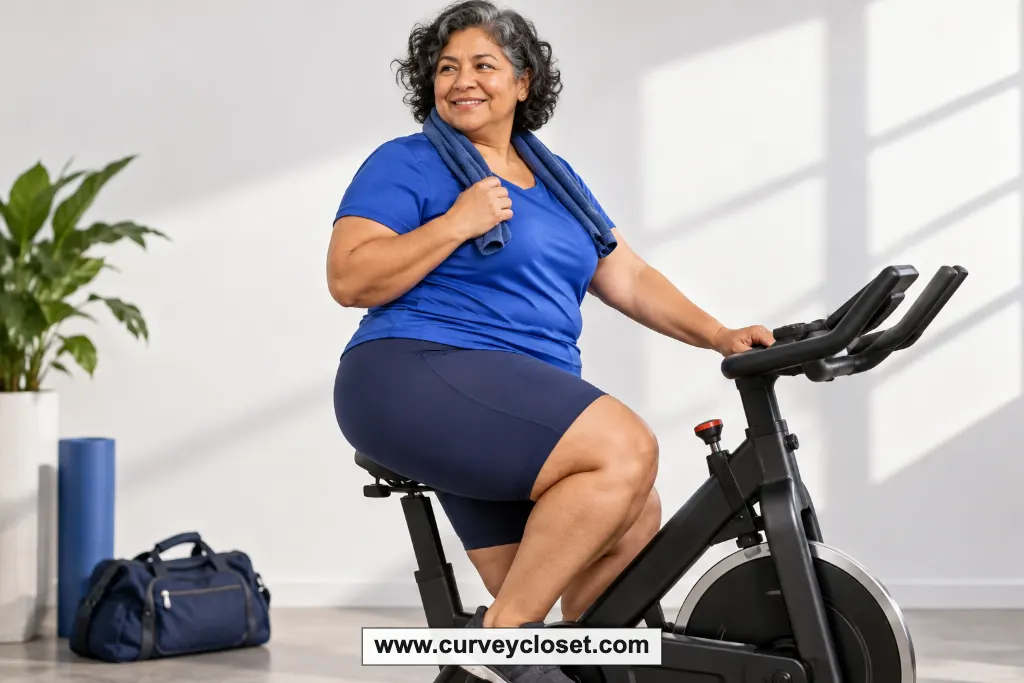
Finding chafe resistant cycling shorts for stationary bike sessions starts with how they feel when you pedal—not just how they look standing up. Secure hems, comfortable seams and breathable fabrics can make a useful difference, although no shorts guarantee a friction-free ride.
These seven combinations and shopping checks help you choose between padded cycling shorts and everyday bike shorts, then build an outfit that works for your body, your bike and your routine.
1.Choose chafe resistant cycling shorts for stationary bike sessions by seated fit
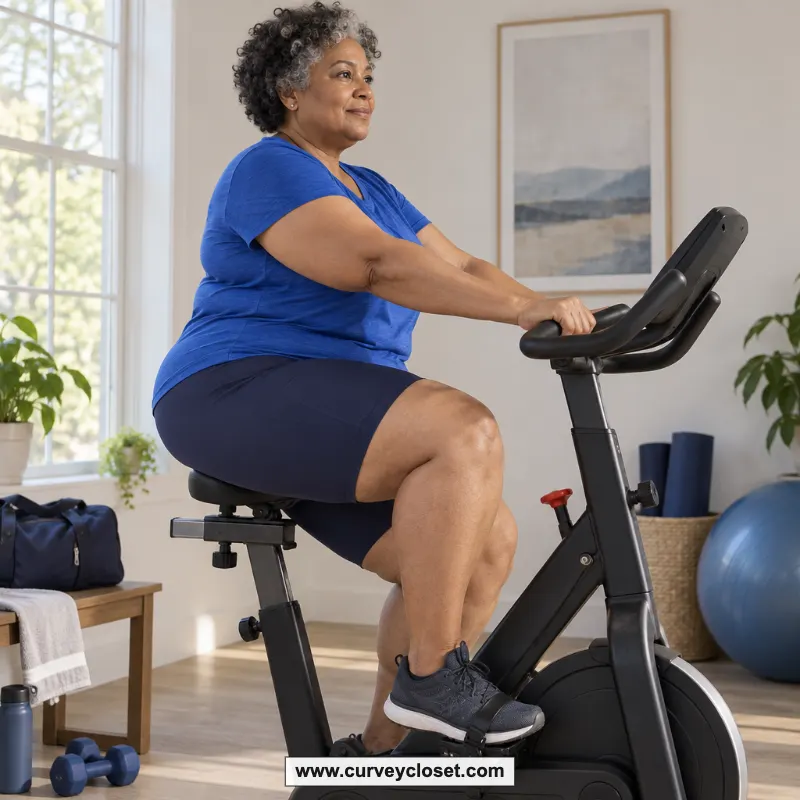
Start with a pedal-position fitting rather than relying on the size label. Sit, hinge forward and lift each knee: the waistband should feel secure without digging in, and the fabric should remain opaque without pulling tightly across your thighs. Check the brand’s waist and hip measurements, plus any thigh measurements available. A broad waistband can feel comfortable, but higher isn’t automatically better if it folds when you sit. Pair your shorts with a relaxed technical T-shirt so you can move freely without excess fabric near the saddle.
How to wear it: Try the complete outfit seated, then pedal gently for a few minutes to check waistband pressure and leg movement.
2.Pick padding for your ride, not just the cycling label
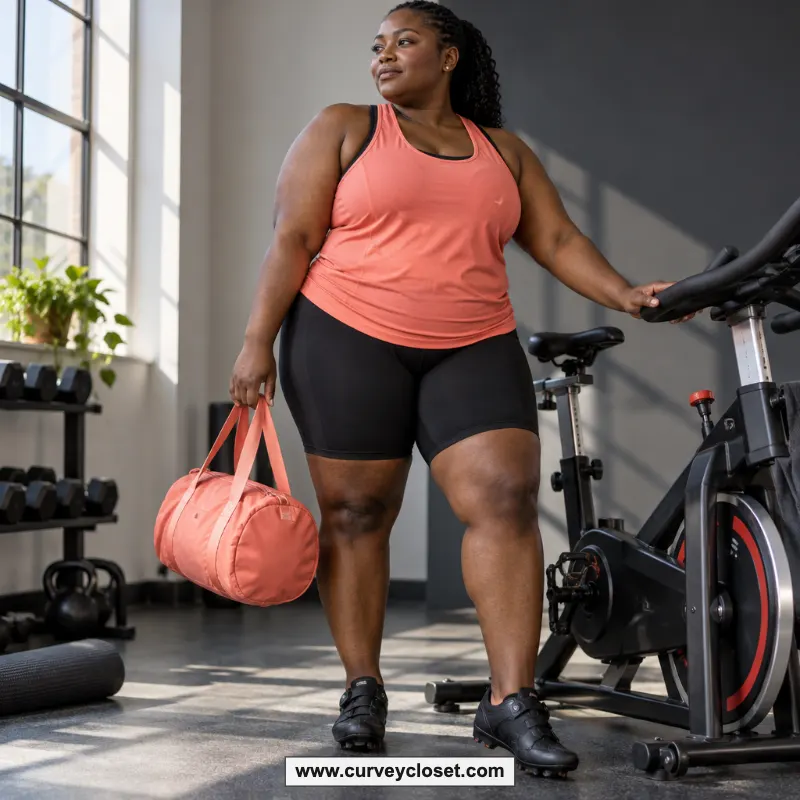
Padded cycling shorts contain a chamois designed to cushion contact with the saddle. They can be worth trying when saddle contact bothers you, but thick padding isn’t automatically more comfortable: placement, flexibility and fit matter. Unpadded bike shorts may suit shorter sessions if you already feel comfortable on your saddle. Cycling shorts with a chamois are generally designed to be worn without underwear, which avoids an extra layer of seams. Follow the garment’s instructions, and choose a breathable top with secure, supportive coverage.
How to wear it: Check that the chamois sits smoothly against you in riding position rather than bunching or shifting as you pedal.
3.Match chafe resistant cycling shorts for stationary bike sessions to your contact points
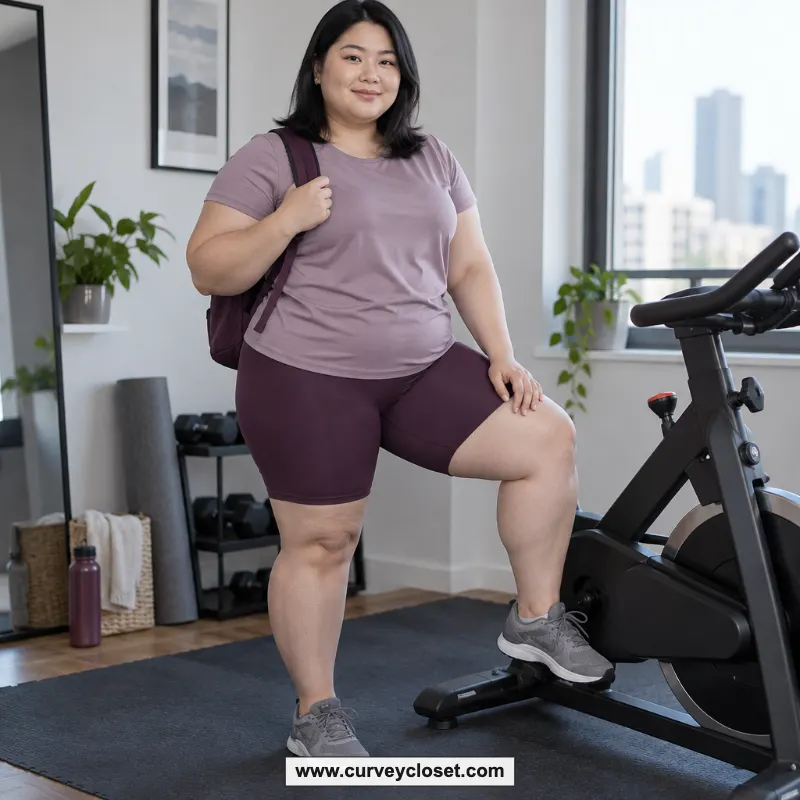
Look at where the shorts end in relation to the areas that rub as you pedal. A longer inseam can keep fabric between your thighs, but the hem needs to stay clear of the knee crease. Shorter styles can work too if they cover your own friction points and stay put. Walk, sit and pedal during your try-on; a hem that climbs immediately may become distracting during a session. Pair a longer short with a hip-length, gently relaxed top that doesn’t catch beneath you on the saddle.
How to wear it: Choose the shortest inseam that reliably covers your rubbing areas without riding up or reaching into your knee crease.
4.Check seam placement before committing
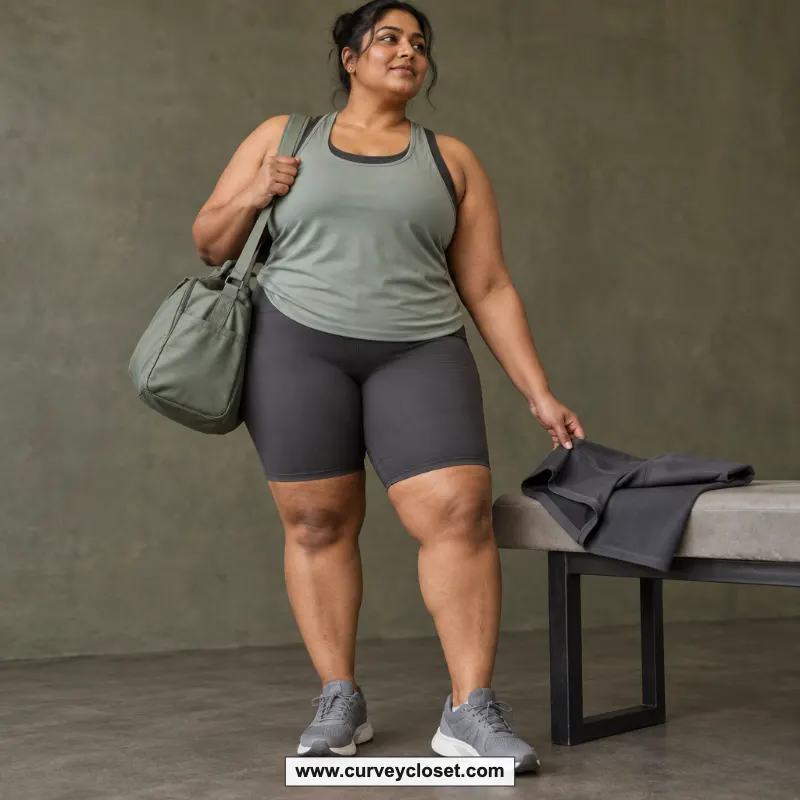
Turn the shorts inside out and feel along the inner thighs, crotch and waistband. Flat seams or thoughtfully placed seams may reduce rubbing, but a “seamless” description doesn’t guarantee comfort. Raised stitching, bulky joins and stiff labels deserve attention, especially where your body meets the saddle. Test the shorts in motion before deciding. For unpadded styles, underwear is a personal choice; if you wear it, look for smooth edges and breathable fabric. A simple racerback top keeps the outfit practical while you concentrate on contact points.
How to wear it: Run your fingertips over the inside seams, then check those same areas after a short, gentle test ride.
5.Build a breathable outfit for warm indoor rides
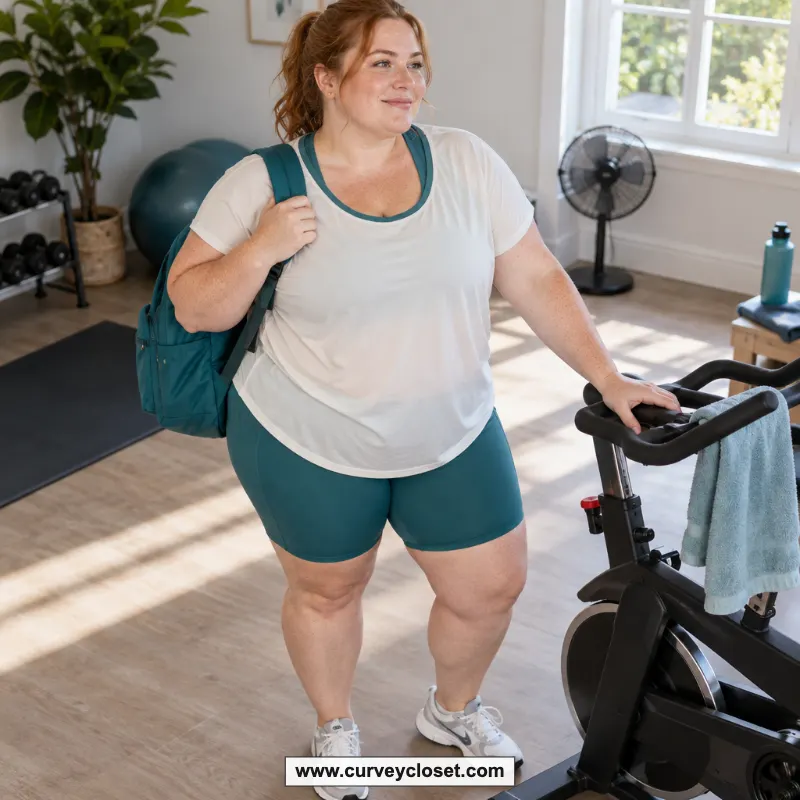
Indoor riding can feel surprisingly warm without outdoor airflow. Look for stretchy, moisture-managing shorts that feel smooth against your skin, and check opacity while bending and sitting. Polyester or nylon blends with elastane are common options, but fabric feel and construction vary. Pair them with a lightweight technical top and a sports bra that supports you comfortably in a forward hinge. Keep a fan and towel nearby if useful. Change out of damp kit after riding rather than keeping it on for the rest of the day.
How to wear it: Wear a lightweight top over your preferred sports bra, and keep a clean, dry change of clothes within easy reach.
6.Choose secure hems without uncomfortable gripping
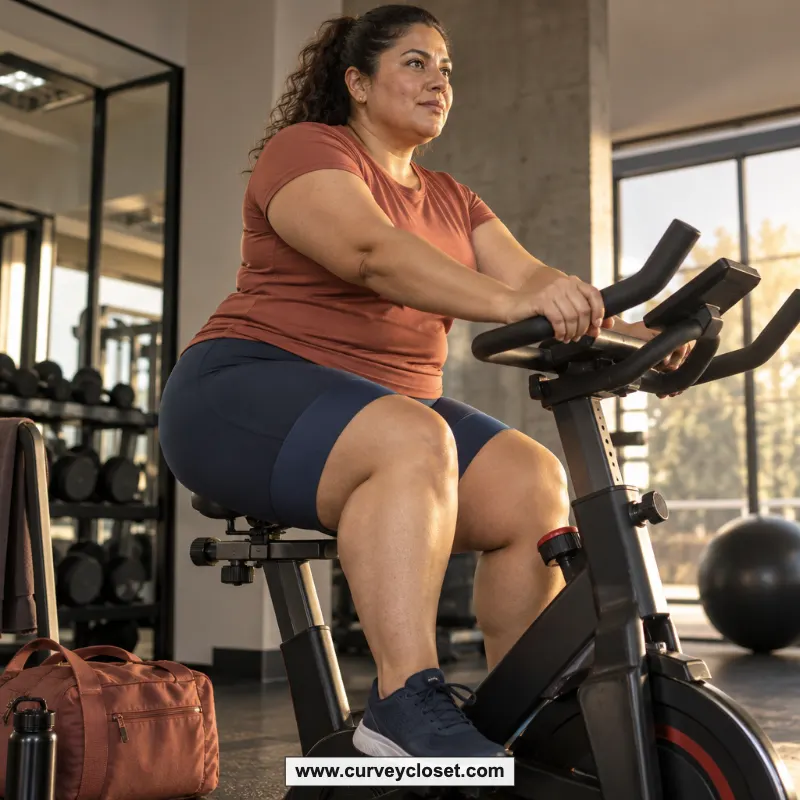
Leg grippers can help shorts stay in place, but they should not pinch, roll or leave your skin sore. Some people prefer a wide fabric cuff instead of silicone; others find a gentle silicone grip useful. Judge the result while pedalling, not by how firmly the hem holds when standing. Avoid sizing down simply to stop movement, because excessive tension can create new discomfort. Add a close-but-not-tight technical top for an easy outfit, and make sure any pockets remain comfortable when you bend your hips.
How to wear it: Test several pedal strokes with empty pockets and reject hems that pinch, roll or repeatedly need adjusting.
7.Make post-ride comfort part of the routine
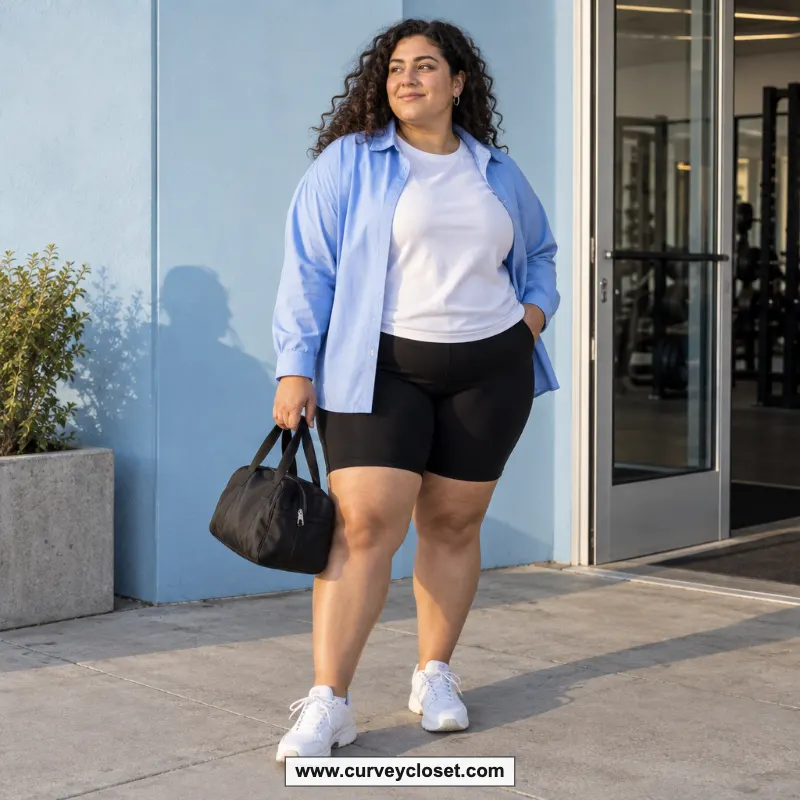
Keep a clean pair of shorts ready if you want the same easy silhouette after your session. A fresh cotton-rich T-shirt and lightweight overshirt make a comfortable everyday combination once you’ve cooled down and changed out of damp kit. Wash riding shorts according to their care label, and let them dry fully between wears. An anti-chafe product labelled for the intended skin area may help, but it cannot fix poor fit. Persistent rubbing also warrants checking saddle position and bike setup rather than repeatedly buying tighter shorts.
How to wear it: Pack fresh shorts, a soft tee and an open overshirt so your post-ride outfit starts with dry fabric against your skin.
The takeaway
Start with a seated fit check, choose padding according to your needs, and prioritise seams and hems that stay comfortable in motion. Clean, dry shorts and a sensible bike setup matter too. If rubbing continues, pause rather than push through sore skin, and reassess the clothing and contact points before your next ride.
Get outfit ideas from your own closet
Curvy Closet picks a daily outfit from the clothes you already own.
Learn moreShare counts include shares made with the buttons on this page. Images are AI-generated illustrations.