7 Paired Do’s & Don’ts for Plus-Size knee high boots
14 October 2026 · 4 min read · 7 ideas

Great knee high boots should work with your calves, your outfits and your actual day—including the moments you spend sitting down. You deserve room to move without pinching, digging or wrestling with a zip.
These seven paired do’s and don’ts make shopping and styling more straightforward. Start with measurements, check how each pair feels in motion, then build looks around the shapes and textures you enjoy.
1.Do measure for knee high boots; don’t guess calf fit
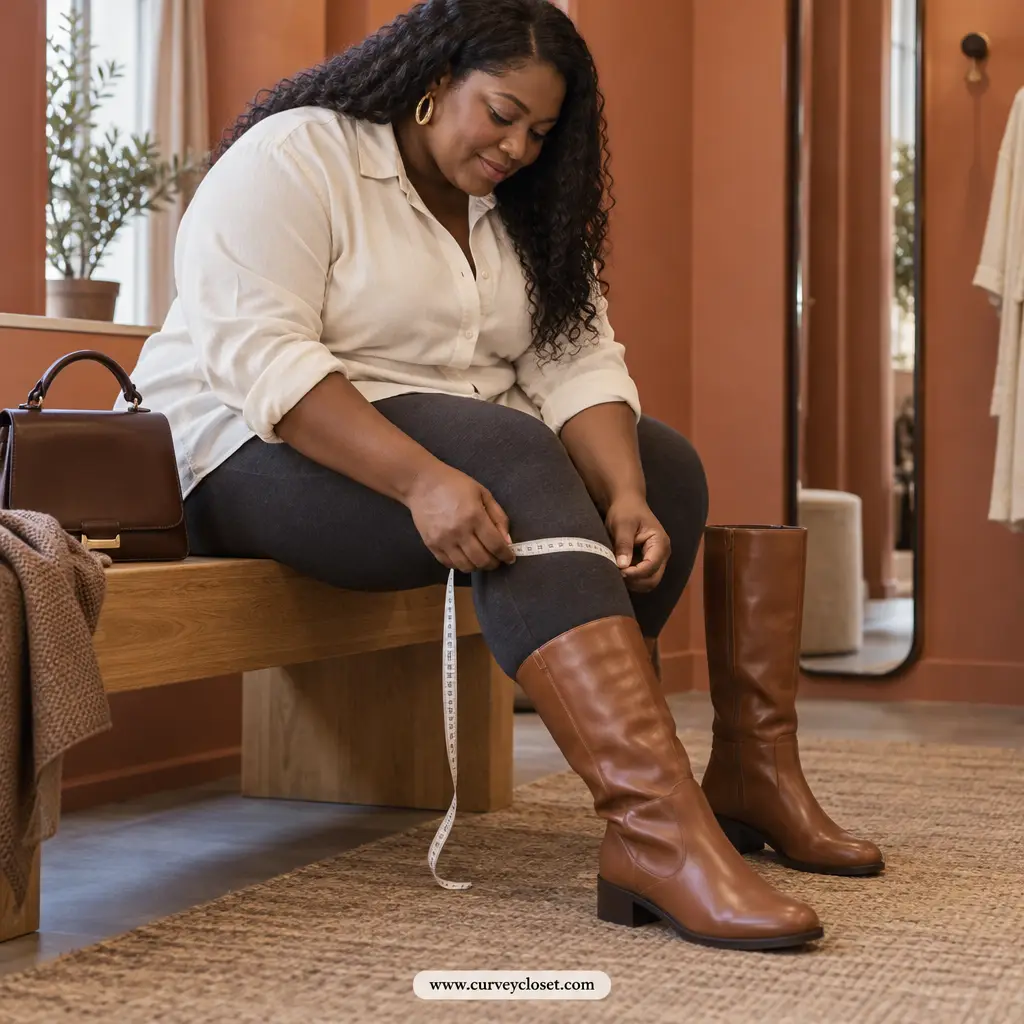
Do: Measure both calves at their widest point over the socks or trousers you plan to wear, then compare with the boot’s size-specific measurements. Don't: Assume your usual shoe size guarantees enough calf space, or force a zip past resistance. Calf circumference can vary between feet, sizes and designs. Check whether the listed measurement describes the boot itself or a recommended calf range. The shaft should close comfortably without compressing your leg; if the retailer provides no measurements, ask before ordering and check the returns policy.
How to wear it: Try your boots with your intended socks and fasten them while seated, keeping fabric clear of the zip.
2.Do check shaft height; don’t rely on the label

Do: Compare the stated shaft height with your own lower leg, and check where the top edge lands when your knee bends. Don't: Treat “knee-high” as a fixed height that will sit identically on everyone. A shaft that feels fine standing may press into the back of your knee on a chair. Measurement methods differ, so check where the retailer starts measuring. Try a shorter shaft or a shaped back opening if the edge catches your knee crease; the aim is comfortable articulation, not a particular leg proportion.
How to wear it: Sit with your feet flat and knees comfortably bent to check that the boot edge clears the crease.
3.Do sit-test knee high boots; don’t stop at standing

Do: Spend several minutes sitting, walking and bending your knees during an indoor try-on, following the retailer’s return conditions. Don't: Dismiss digging edges, tingling or painful pressure as something you must tolerate until the boots soften. Sitting changes how your calf meets the shaft, while walking reveals ankle rubbing and heel movement. Test a dining chair as well as a lower seat if those reflect your day. If discomfort persists after adjusting socks or fastenings, try another fit rather than relying on a lengthy break-in period.
How to wear it: Rehearse your commute at home by sitting, standing and taking a few steps on a clean floor.
4.Do assess shaft materials; don’t bank on stretching
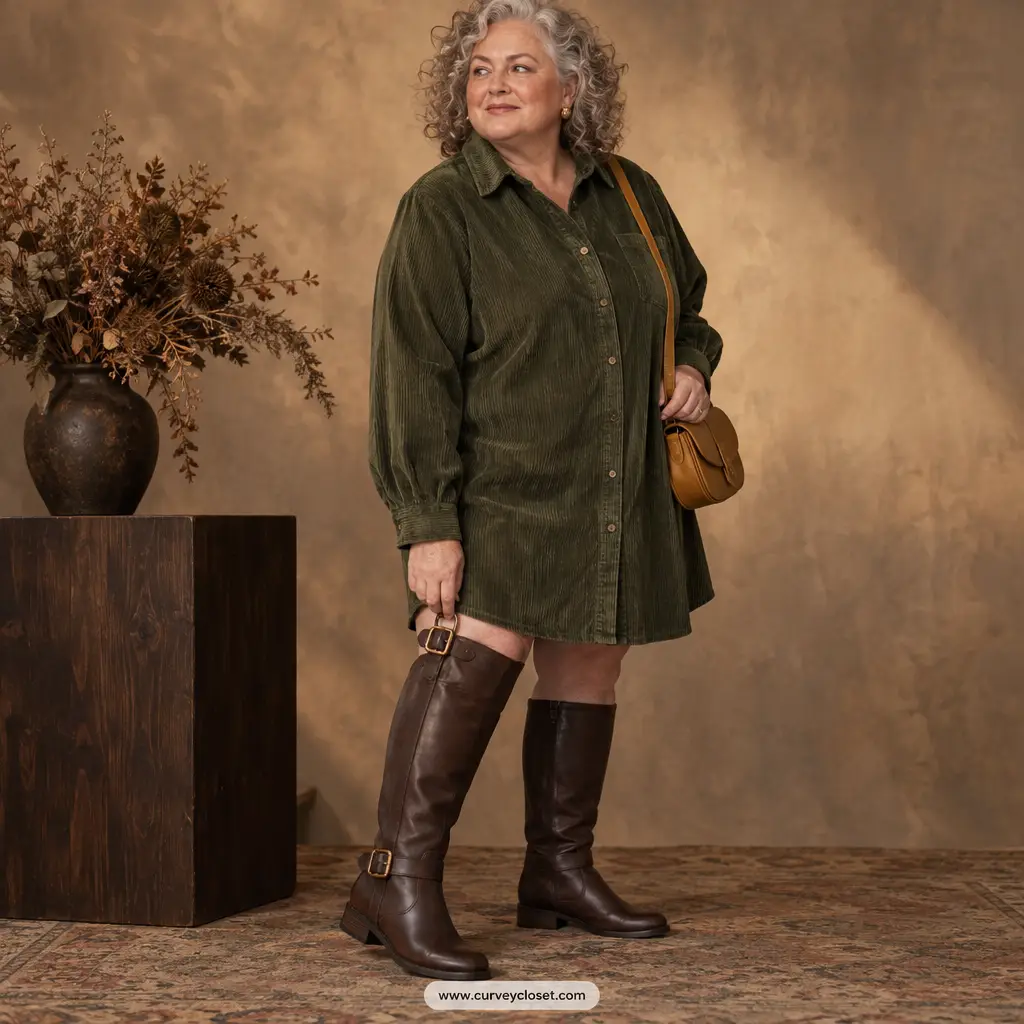
Do: Look for materials and construction that already feel comfortable, including smooth linings, flexible ankles and useful stretch panels or adjustable gussets. Don't: Buy a painfully tight shaft on the assumption that leather, elastic or professional stretching will provide unlimited extra room. Different materials give differently, and seams, zips and linings can limit expansion. Run your fingers along the interior for rough joins, then wear the boots with your usual hosiery. Adjustable details should offer usable movement without leaving hardware pressing against your leg.
How to wear it: Adjust buckles or gussets before zipping, then walk to check that the lining and ankle folds feel smooth.
5.Do choose layers intentionally; don’t cram the shaft
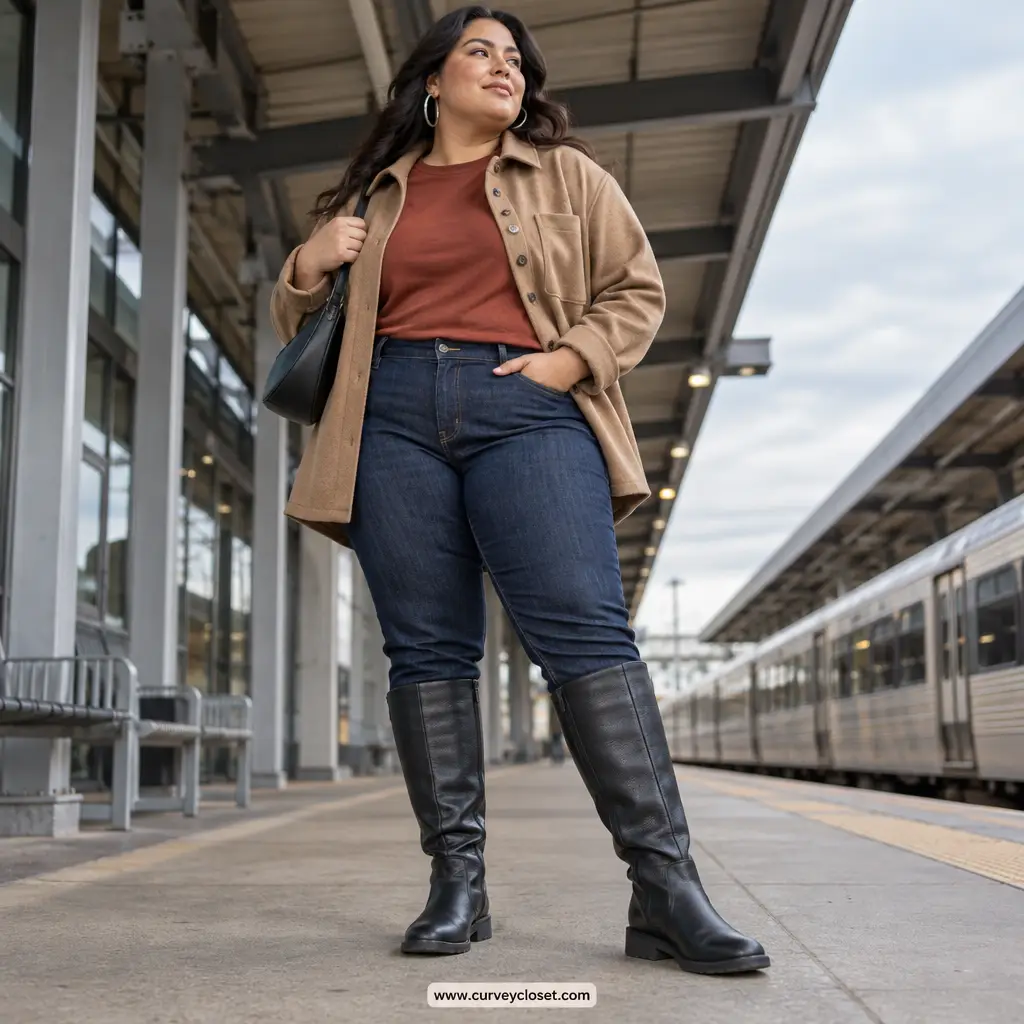
Do: Try the boots over the exact trousers, leggings or tights you want to wear, smoothing seams and checking space at the ankle and calf. Don't: Force thick hems or bunched fabric into a shaft sized for bare legs or fine hosiery. Extra layers change the fit even when the foot size stays the same. If you love tucked-in denim, seek a shaft with room for it and check that the zip closes easily. For wider trousers, wearing the hem over the boots is another intentional styling option.
How to wear it: Smooth your trouser hems down before fastening boots, then sit to check for folded seams pressing into your ankles.
6.Do test hems in motion; don’t judge them standing still

Do: Check how your skirt or dress hem meets the boots while walking and sitting, choosing overlap or a gap according to your preference. Don't: Assume a hem that looks right in a mirror will move comfortably against buckles, zips or textured shafts. A lining can help a skirt glide, while a slit or fuller cut can provide easy stride room. There is no compulsory amount of leg to show. Focus on whether the fabric catches, rides up or restricts movement, then adjust the hem or pairing accordingly.
How to wear it: Walk across the room and sit down once before leaving, checking that your hem releases easily from the boot tops.
7.Do support boots between wears; don’t dry with heat
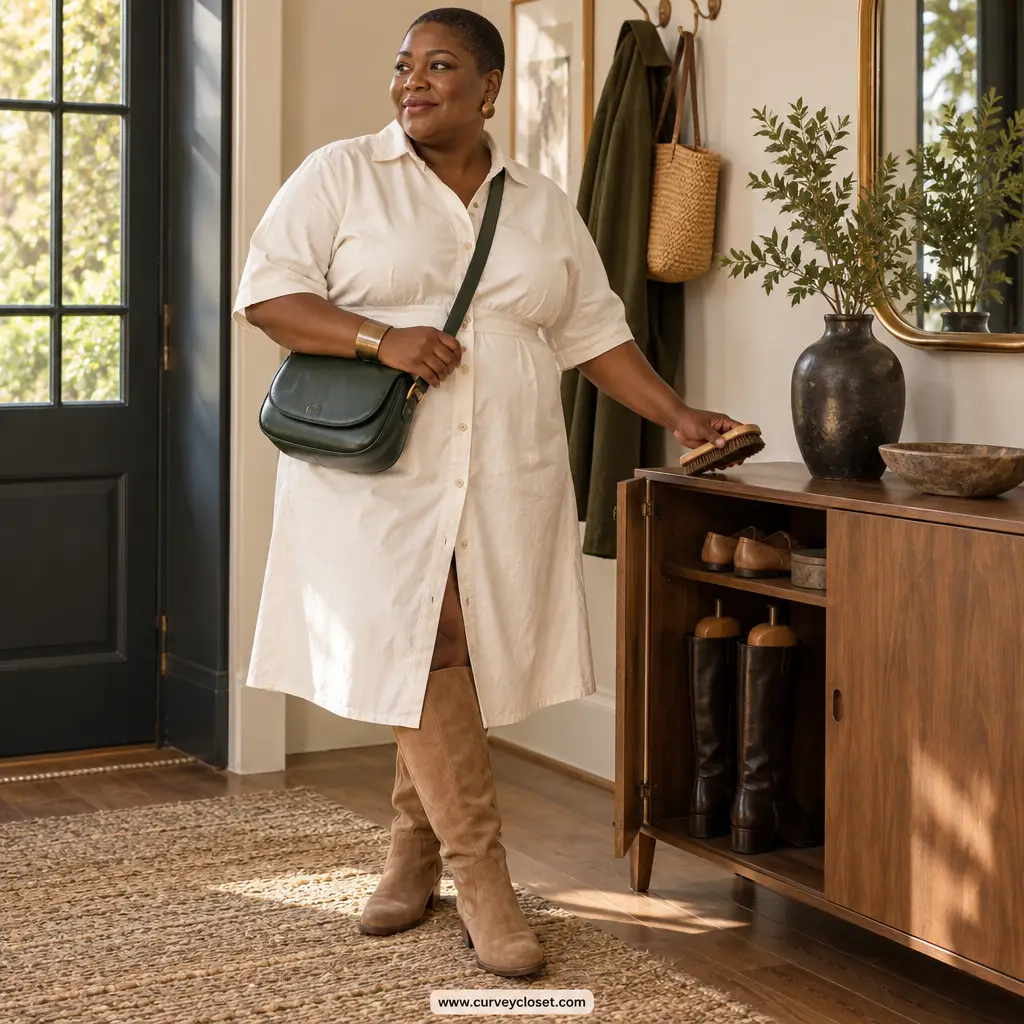
Do: Follow the material’s care instructions, wipe away suitable surface dirt and let damp boots dry naturally before storing them with gentle shaft support. Don't: Place boots against a radiator or pack the shafts so tightly that they stretch out of shape. Leather, suede and synthetic finishes need different products, so spot-test any recommended treatment in an inconspicuous area. Flexible boot shapers or loosely rolled clean paper can help prevent sharp folds. Check heel wear and zip function regularly; timely repairs can keep a comfortable pair in your rotation.
How to wear it: After wearing, air your boots away from direct heat and insert loosely fitting shaft supports before putting them away.
The takeaway
The right boots respect your measurements and your movement. Check calf space, shaft height and seated comfort before committing, then enjoy experimenting with hems, textures and colour. A different boot cut is a practical adjustment—not a verdict on your body.
Get outfit ideas from your own closet
Curvy Closet picks a daily outfit from the clothes you already own.
Learn moreShare counts include shares made with the buttons on this page. Images are AI-generated illustrations.