7 Plus-size Shapewear-free Comfort Do's and Don'ts
8 October 2026 · 4 min read · 7 ideas
Your outfit doesn't need a smoothing layer to be complete. These plus-size shapewear-free comfort do's and don'ts put comfortable fit, enjoyable fabrics and your personal style first.
Whether you're dressing for work or a weekend out, small adjustments can make clothes easier to wear. Start with how you want to feel, then choose details that support your movement—not reshape your body.
1.Plus-size shapewear-free comfort do's and don'ts: Fit
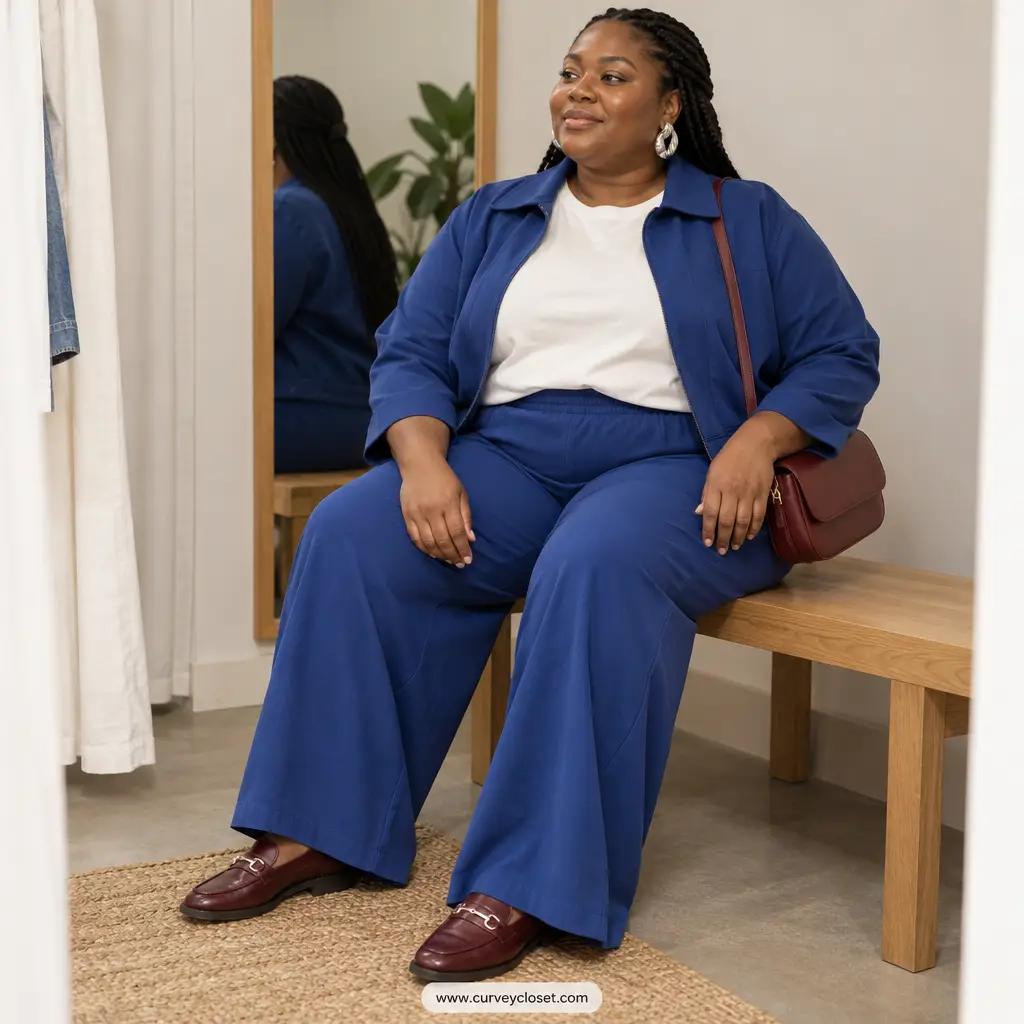
Do: Choose your size by how the garment feels across your fullest areas, then check it while sitting and reaching. Don't: Buy a smaller size expecting tight fabric to provide the support or finish you want. A waistband should let you breathe comfortably, and seams shouldn't pull when you move. Try your usual size and neighbouring sizes rather than treating the label as a verdict. If one area fits and another doesn't, a different cut or a small alteration may solve it.
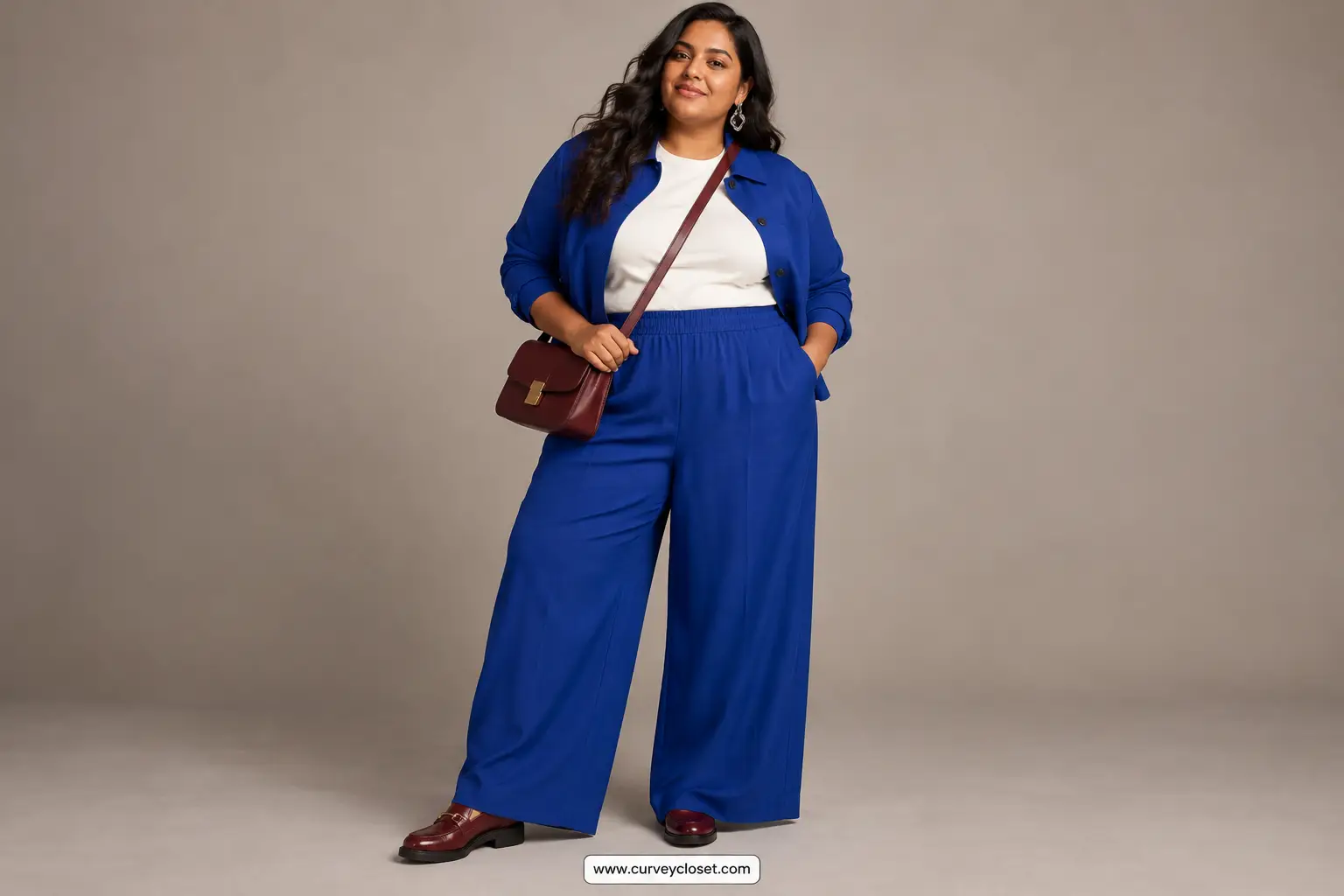
How to wear it: Wear wide-leg trousers with a soft T-shirt and take a seated fit check before removing the tags.
2.Plus-size shapewear-free comfort do's and don'ts: Fabric
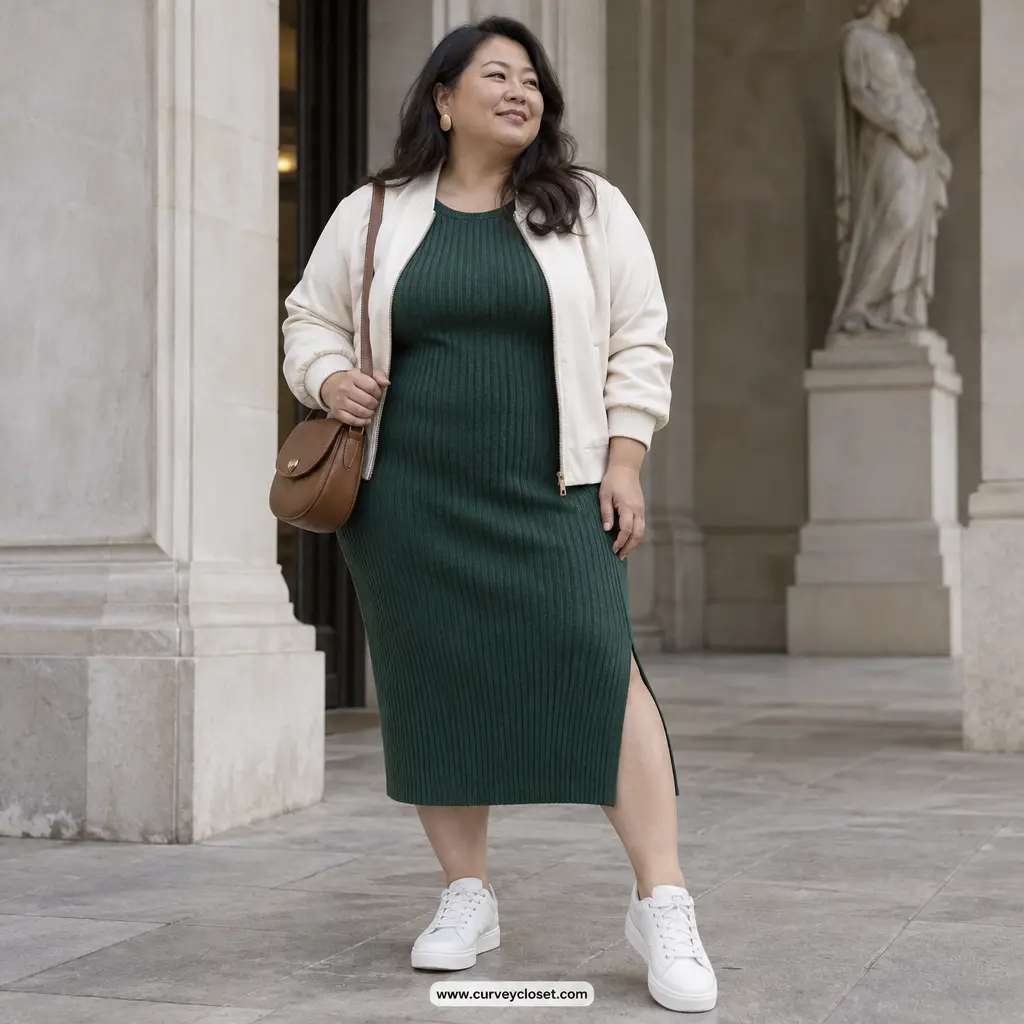
Do: Feel the inside of fabric, stretch it gently and check opacity in daylight before committing. Don't: Assume a soft-looking garment will be comfortable if its seams, lining or metallic threads feel scratchy. Comfort comes from the whole construction, not just the fibre label. Cotton interlock, soft jersey and fluid woven fabrics are useful starting points, but personal preferences vary. Spend a few minutes wearing the garment and notice whether it catches, overheats or needs constant adjustment against your skin.
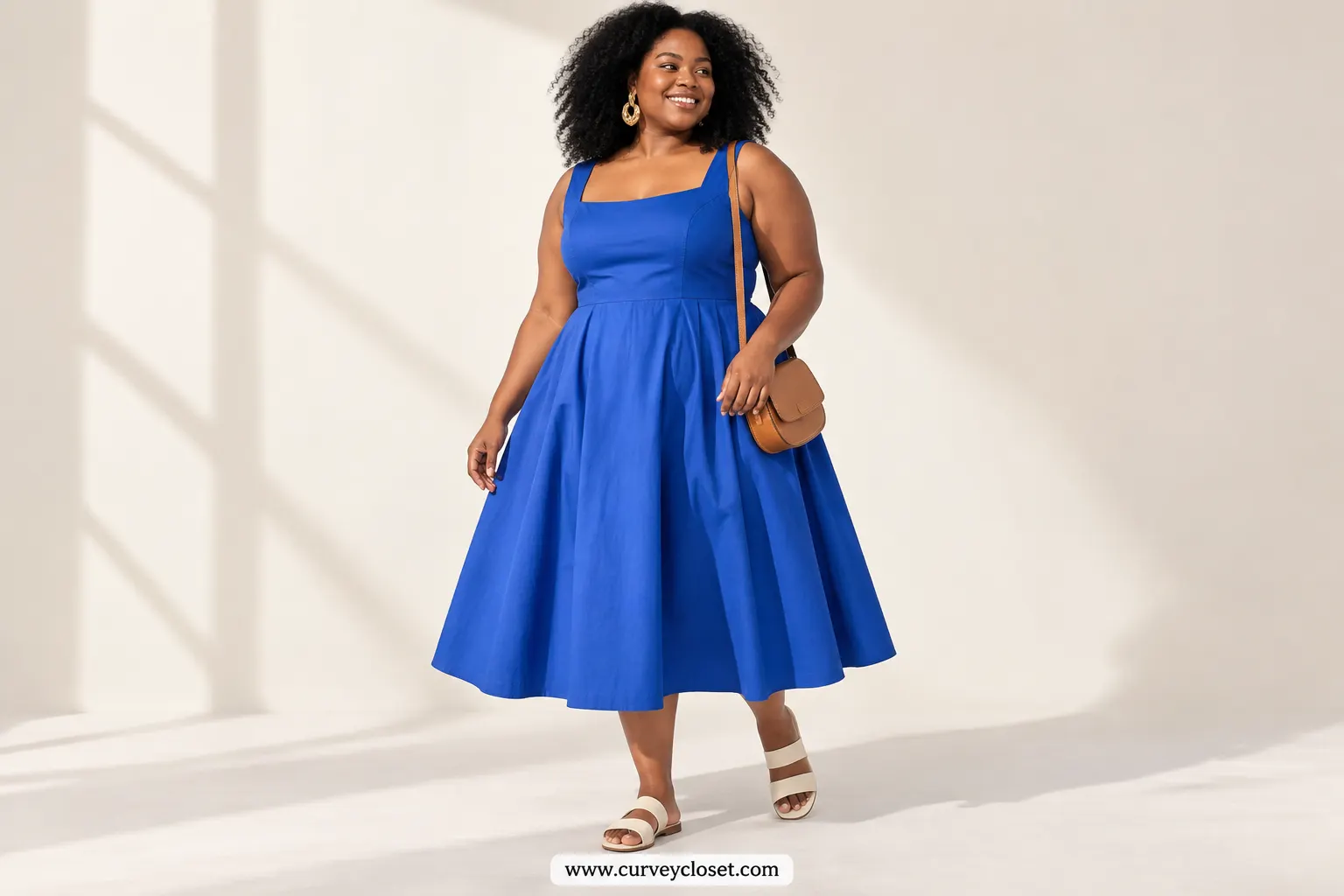
How to wear it: Pair a soft ribbed midi dress with cushioned trainers and a smooth-lined jacket for an easy everyday outfit.
3.Choose waistbands that move with you
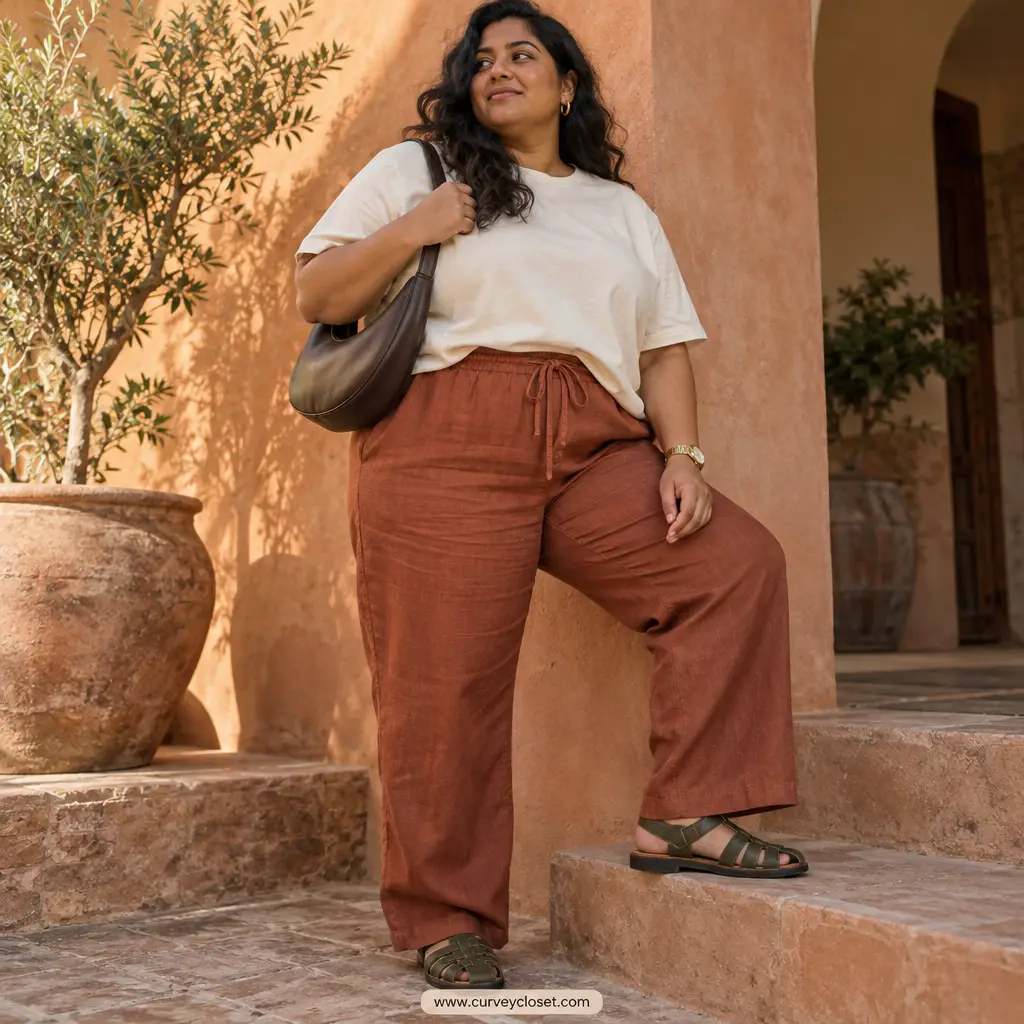
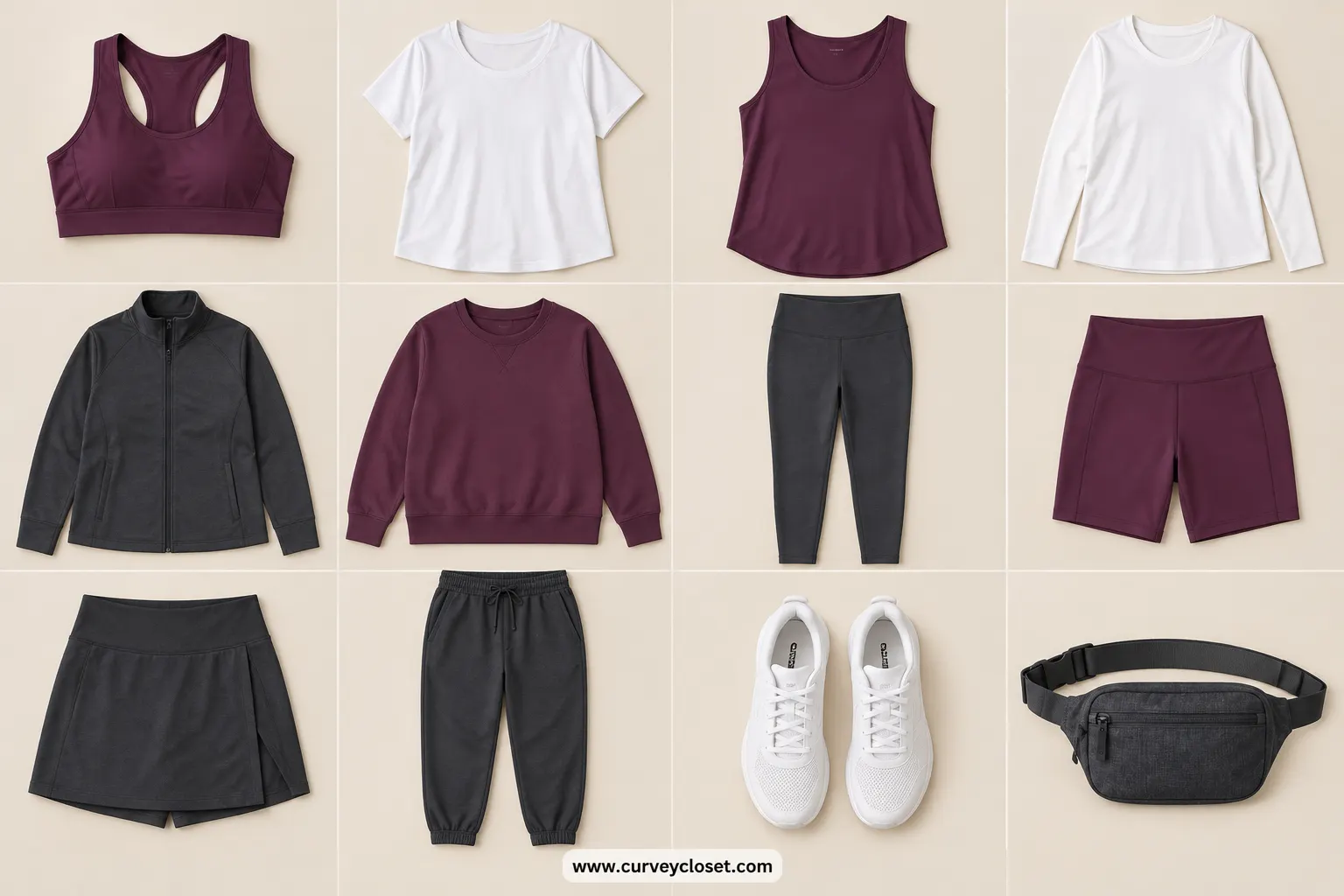
Do: Look for an elastic waistband or adjustable closure that stays comfortable through sitting, walking and bending. Don't: Tighten a drawstring until it digs in, or rely on a rigid waistband that only feels good standing up. A broad elastic band can distribute pressure, but its tension matters more than its width alone. Check whether it twists or rolls during movement. If it does, try another rise, waistband construction or size rather than assuming your body needs to change.
How to wear it: Tie a drawstring only firmly enough to keep trousers in place, then retest it while seated.
4.Make friction prevention part of getting dressed
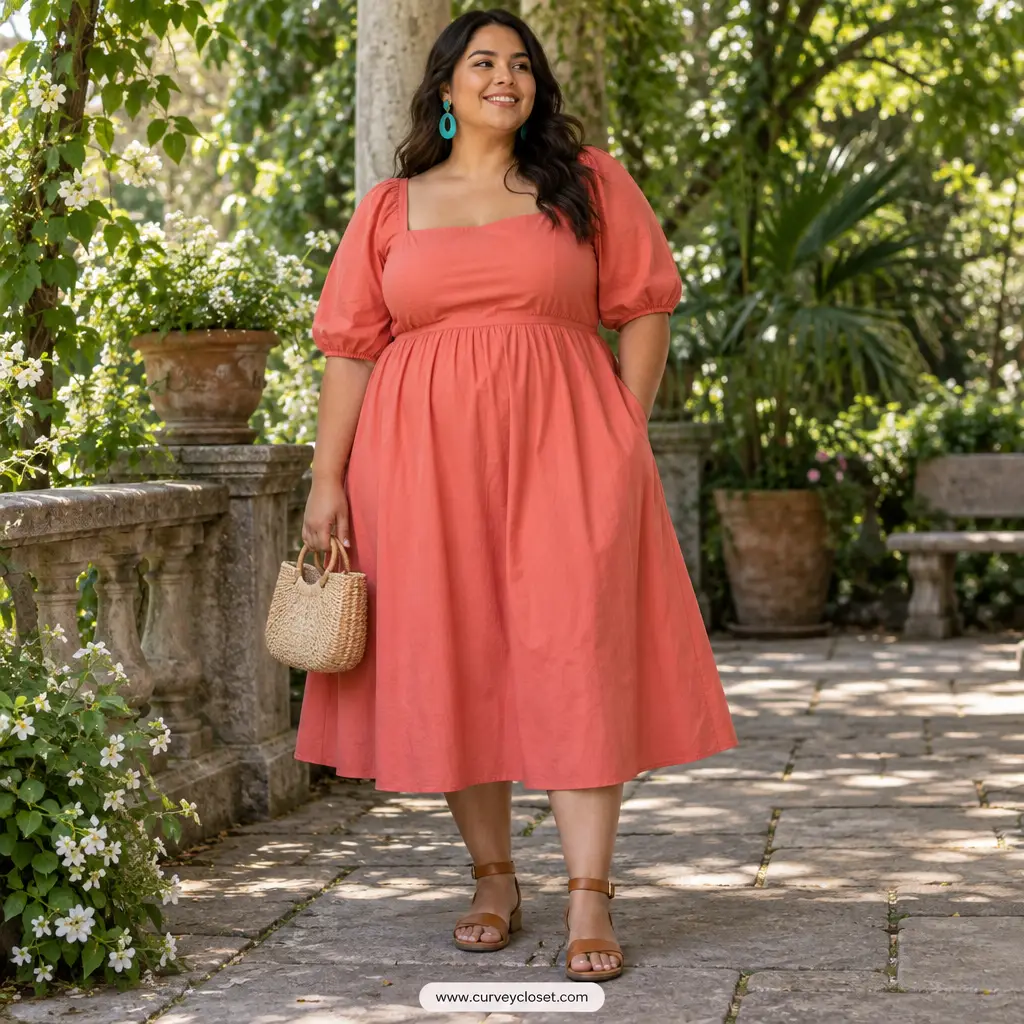
Do: Address rubbing with a skin-compatible anti-chafe product or soft, non-compressive shorts if you find them helpful. Don't: Put up with painful friction or choose tight leg openings that create a new pressure point. Shapewear-free dressing can still include practical layers; the goal is comfort, not changing your silhouette. For shorts, look for flat seams and enough length to cover the area that rubs. Follow product directions for balms, and stop using anything that irritates your skin.
How to wear it: Test your preferred friction solution on a short walk in your outfit before wearing it for a long day.
5.Set proportions with details, not pressure
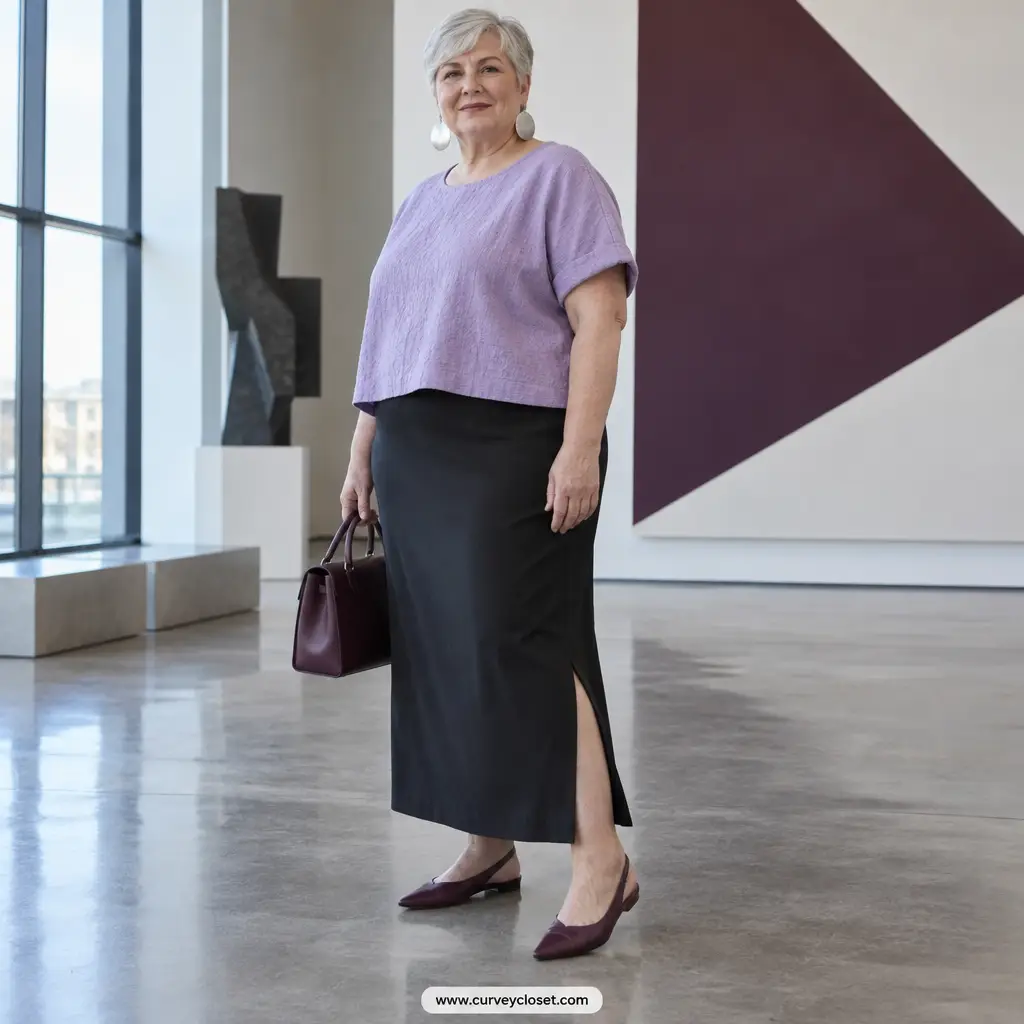
Do: Adjust hems, sleeve lengths and tucks to create the outfit balance you enjoy. Don't: Pull a belt painfully tight or force a full tuck when it makes the waistband crowded. Proportion is a styling choice, not a rule about which bodies can wear which clothes. A cropped jacket can meet high-rise trousers, while a long shirt can hang freely over a straight skirt. Try one change at a time and keep the version that feels intentional and comfortable.
How to wear it: Pair a shorter boxy top with a high-rise skirt, leaving the top untucked for a clear, comfortable meeting point.
6.Tailor the garment to your movement
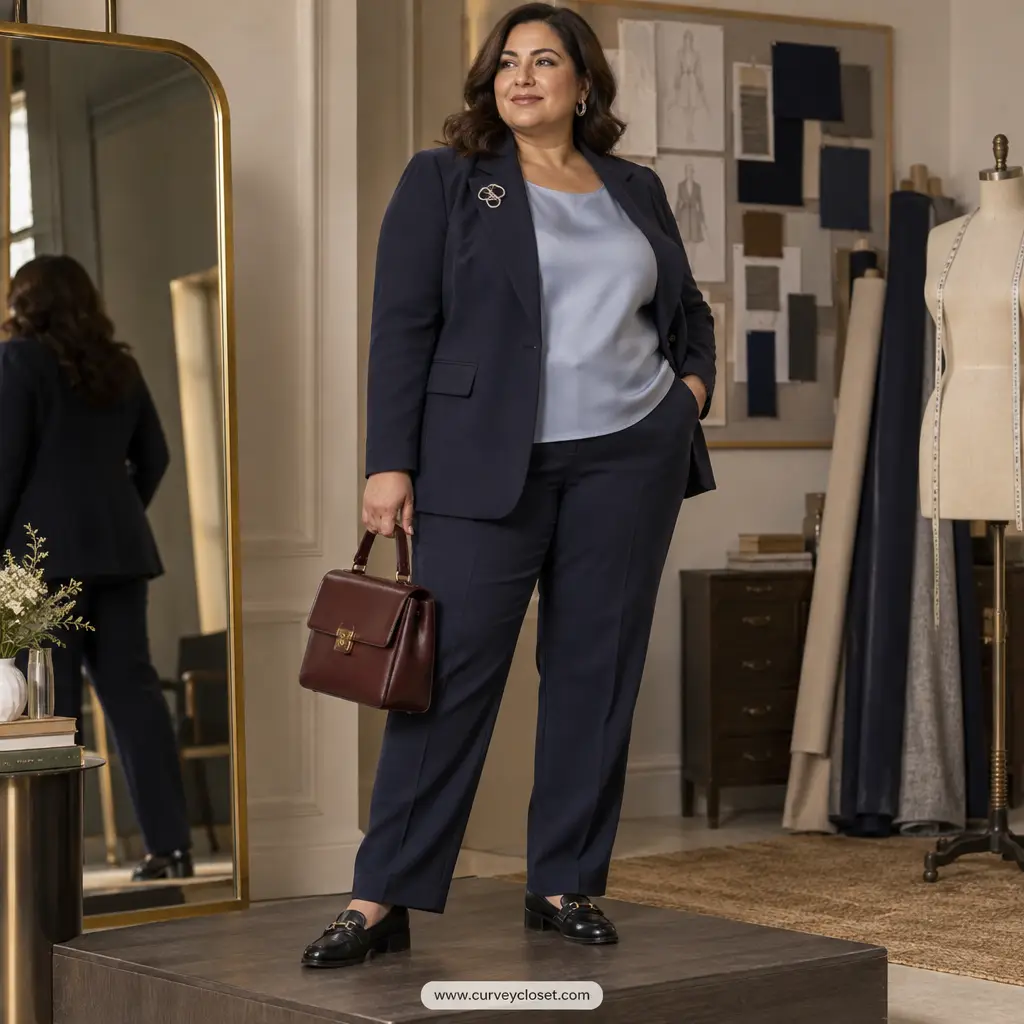
Do: Consider alterations when a garment fits comfortably overall but needs a shorter hem or adjusted strap length. Don't: Keep tugging at a piece that restricts your stride or pulls across the shoulders. Before paying for tailoring, ask what the construction and seam allowance can realistically accommodate. Some fixes are straightforward; others need a different garment. Explain how you want to move, not just how you want the piece to look. Test the finished fit with your intended shoes and underwear.
How to wear it: Bring your everyday shoes to a trouser-hem appointment so the finished length works for your actual routine.
7.Protect comfortable fit through careful washing
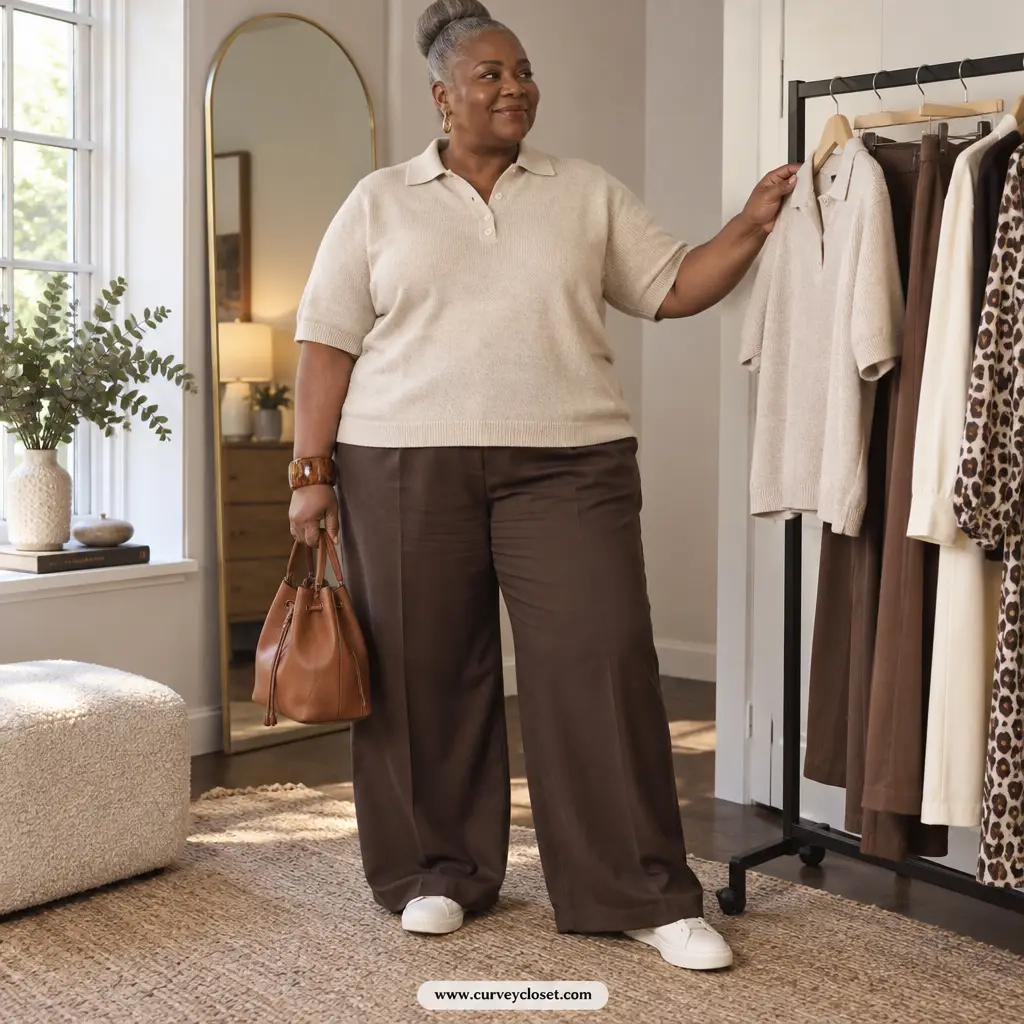
Do: Follow care labels and reshape or air-dry garments when instructed to help maintain their intended fit. Don't: Use high heat by default, especially on pieces whose stretch or drape makes them comfortable. A favourite outfit can feel different after shrinkage, damaged elastic or twisted seams. Check labels before buying if you need an easy-care wardrobe. After washing, inspect waistbands and smooth seams before drying. Deal with rough labels carefully, removing stitches only when they don't also hold the garment together.
How to wear it: Keep a mesh wash bag handy for suitable delicate pieces, and check each care label before choosing the cycle.
The takeaway
Shapewear is optional, not an outfit requirement. Choose clothes that make room for sitting, moving and enjoying your day, then use tailoring and styling details to make the look your own. Your natural shape belongs in every outfit you love.
Get outfit ideas from your own closet
Curvy Closet picks a daily outfit from the clothes you already own.
Learn moreShare counts include shares made with the buttons on this page. Images are AI-generated illustrations.