7 statement belt do’s & don’ts for plus-size comfort
15 October 2026 · 4 min read · 7 ideas
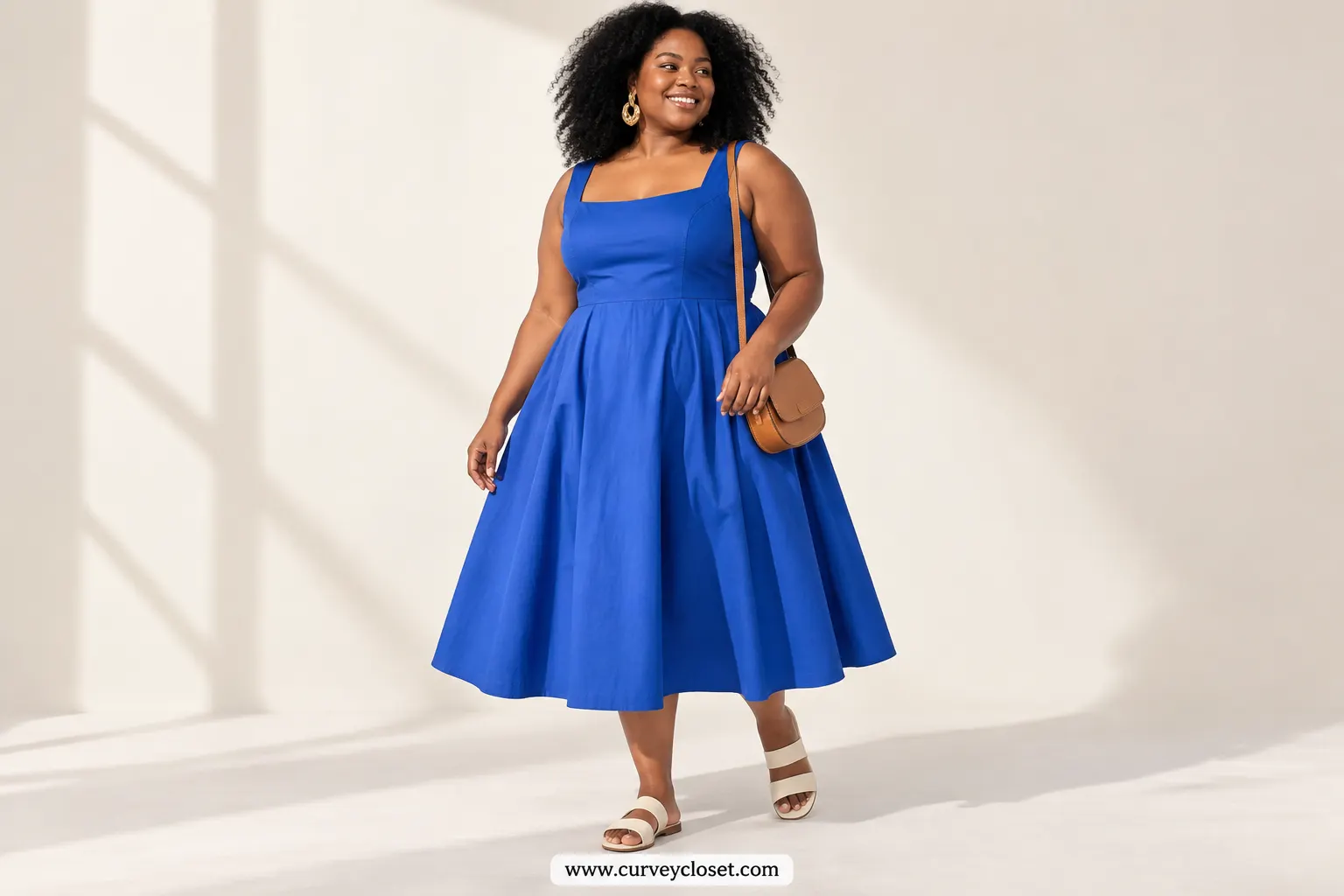
A statement belt should bring personality to your outfit—not leave you counting the minutes until you can unfasten it. Comfortable styling starts with a fit that works when you sit, move and breathe naturally.
These seven paired do’s and don’ts cover adjustable fit, buckle placement and reliable fastening, plus the fabrics and outfit details that help everything work together. Wear your belt wherever you enjoy it: at your waist, lower on your hips or over a favourite layer.
1.Give your statement belt room to adjust
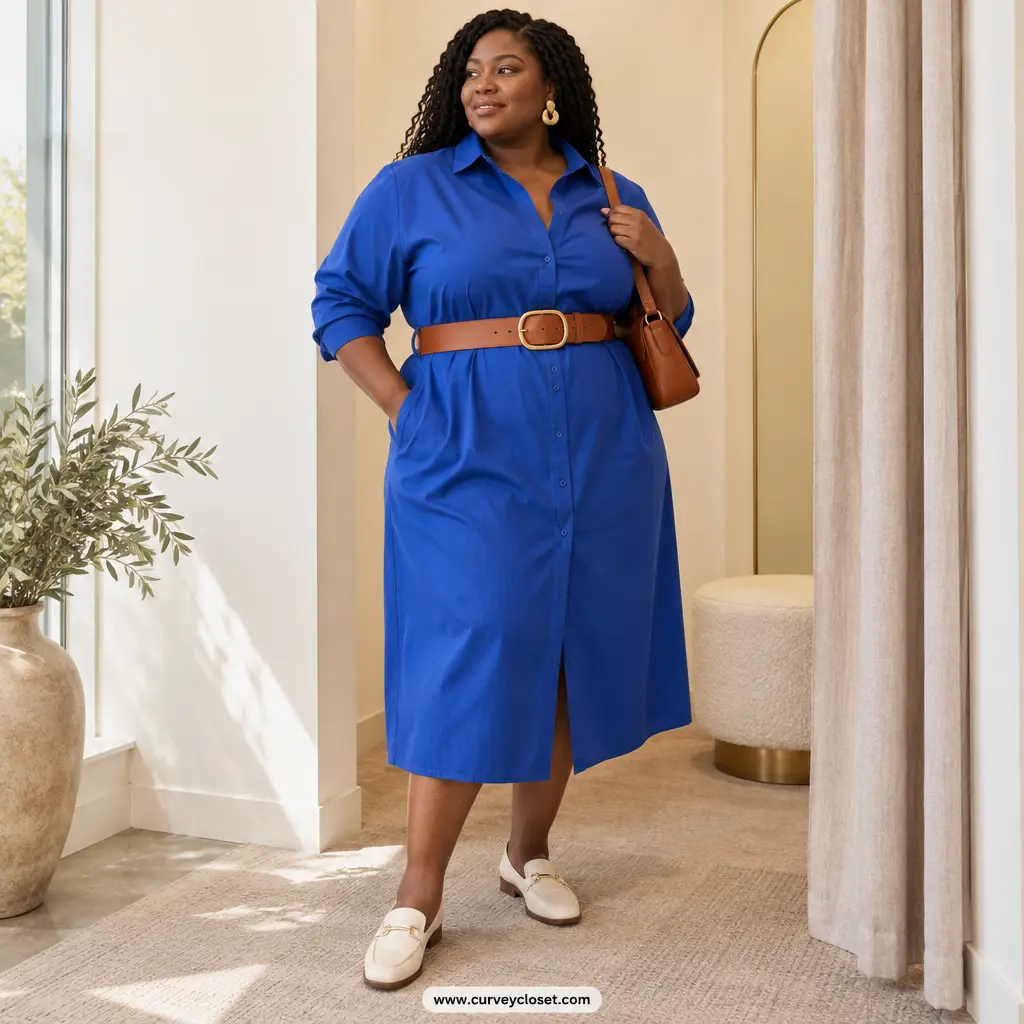
Do: Measure around the place you want to wear your belt, over the intended clothing, and choose a usable adjustment range that includes that measurement. Don't: Rely only on a clothing size label or buy a belt that fastens only at its tightest or loosest setting.
Check whether the seller lists total length or the measurement to the fastening hole. Those are not interchangeable. Several workable settings give you options for different fabrics and ordinary changes in comfort throughout the day, without needing to pull the belt tighter.
How to wear it: Try the belt over both your lightest dress and your thickest intended layer before deciding on the size.
2.Place the statement belt buckle for seated comfort
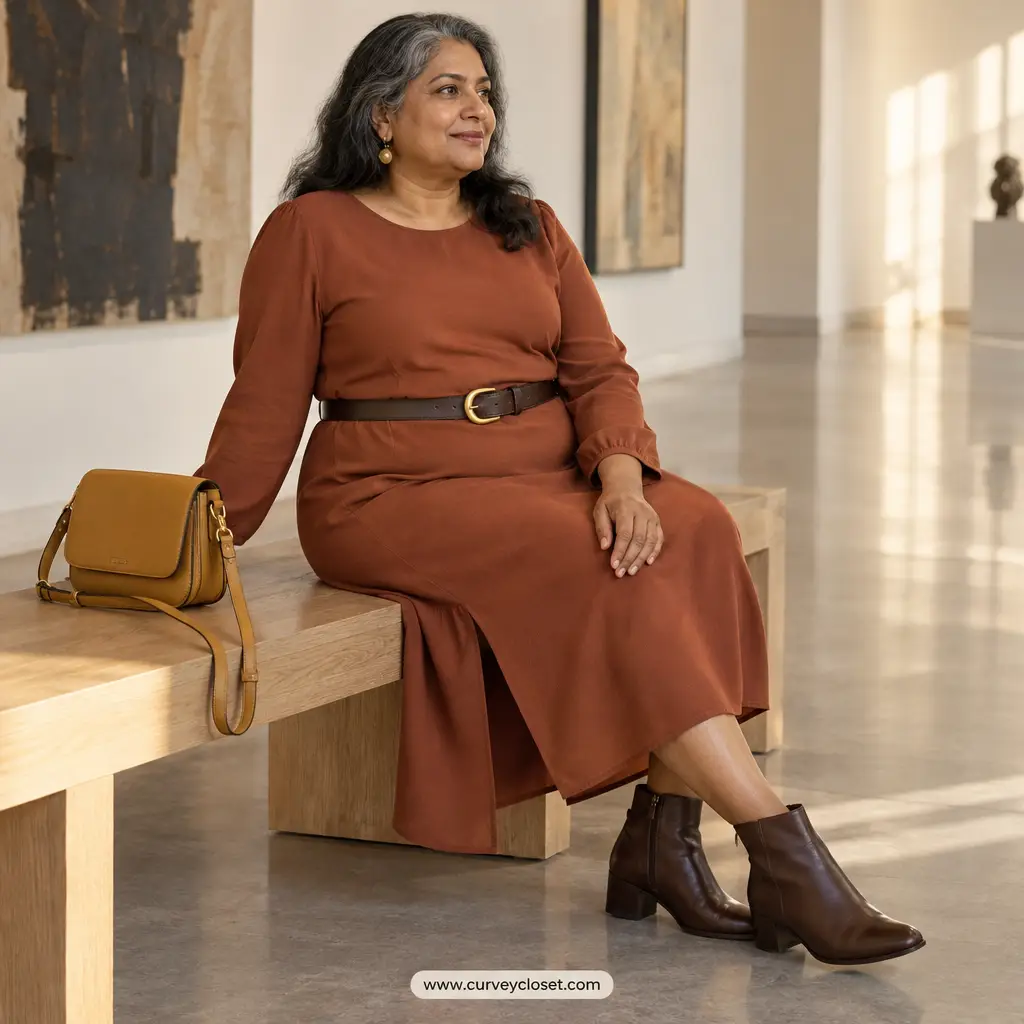
Do: Position the buckle where its edges feel comfortable, then sit down and lean forward gently to check it. Don't: Assume the centre front or your natural waist is the only correct placement, especially if hardware presses when you sit.
Try moving the belt slightly higher or lower, or rotating a suitable buckle a little off-centre. The best position depends on the buckle’s shape, your outfit and your preferences. If pressure persists, a smaller or more gently curved buckle may feel better without sacrificing a statement finish.
How to wear it: Spend a few minutes seated in the complete outfit before committing to a buckle position.
3.Secure the fastening without extra tension
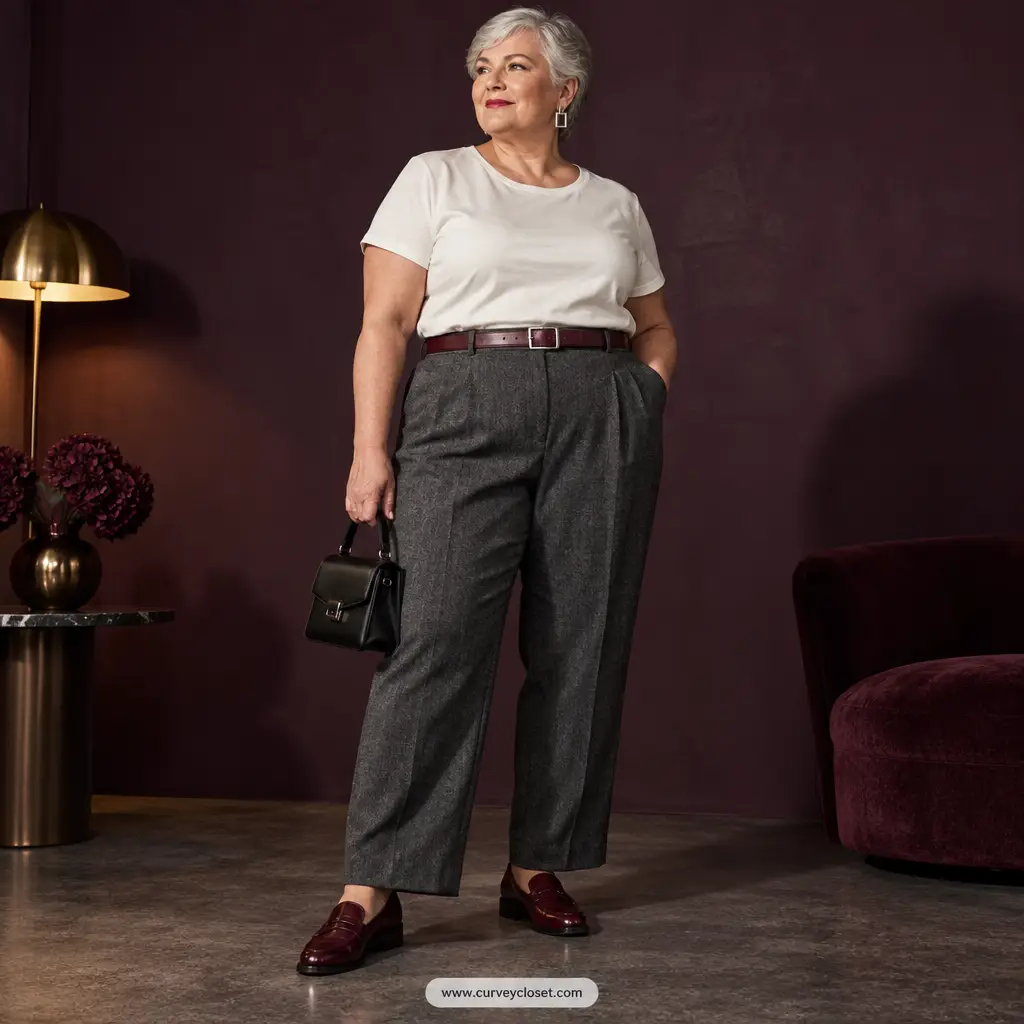
Do: Check that the prong passes fully through its hole, the buckle closes correctly and the loose end sits inside its keeper. Don't: Tighten the belt to compensate for a slipping clasp, worn hole or fastening that will not stay engaged.
Different closures need different checks: follow the maker’s threading instructions for ring belts and inspect snap closures before wearing them. Walk, sit and reach once the belt is fastened. If it opens or slips during that test, repair or replace the faulty component rather than adding more tension.
How to wear it: Thread any excess belt length through a matching removable keeper if the original keeper leaves the tail swinging.
4.Choose comfortable edges and compatible fabrics
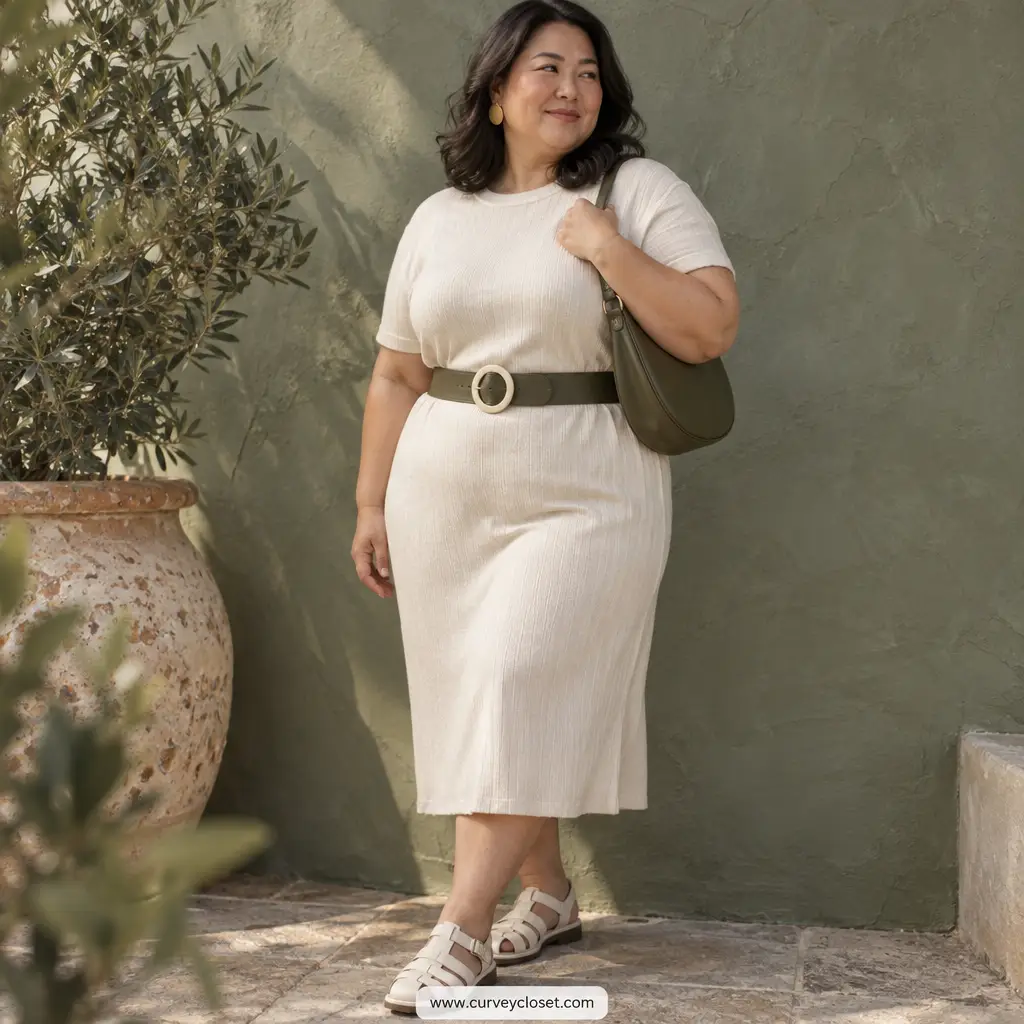
Do: Feel the belt’s underside and edges, then test it over the fabric you plan to wear. Don't: Ignore rough stitching, exposed hardware or stiff edges that scratch, catch threads or dig in as you move.
A smooth-backed belt can sit comfortably over fine knits, while textured leather or woven styles may work well with sturdy cotton. Elastic can offer flexibility, but it should not need to be stretched to its limit. Inspect delicate clothing after a short indoor trial to spot snagging before a full day out.
How to wear it: Run the belt’s underside across a spare fabric swatch to check for catches before wearing it over a delicate knit.
5.Match belt width to the outfit’s construction
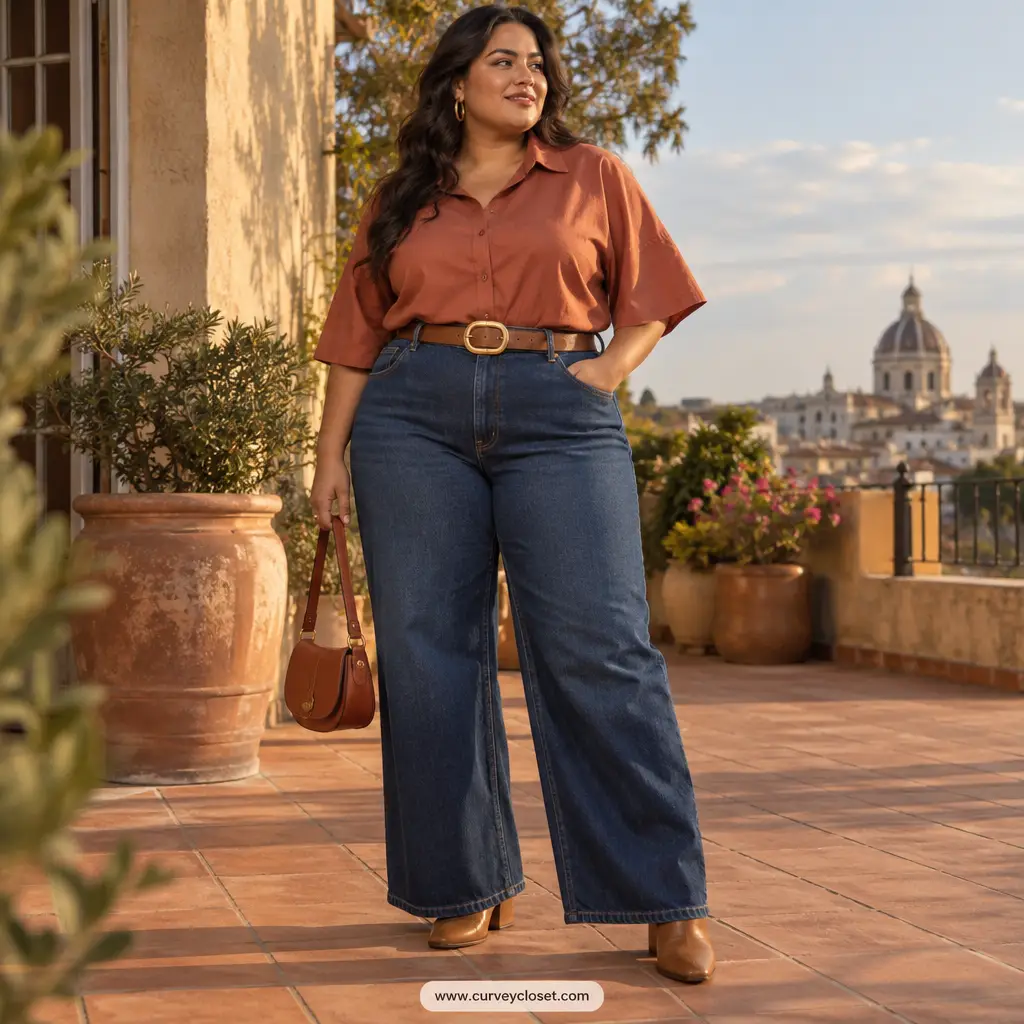
Do: Choose a belt width that works with the garment’s loops, seams and available space between your ribs and hips when seated. Don't: Force a wide belt through narrow loops or accept constant rolling just because the colour pairing works.
Wide and narrow belts can both make a statement; oversized hardware, texture or contrast can supply the emphasis. If a belt folds, check its position, tension and material stiffness. For dresses without loops, try several widths and sit in each rather than treating a particular width as a body-shape rule.
How to wear it: Measure the inside height of trouser belt loops before shopping for a belt to wear through them.
6.Settle layers before adding the belt
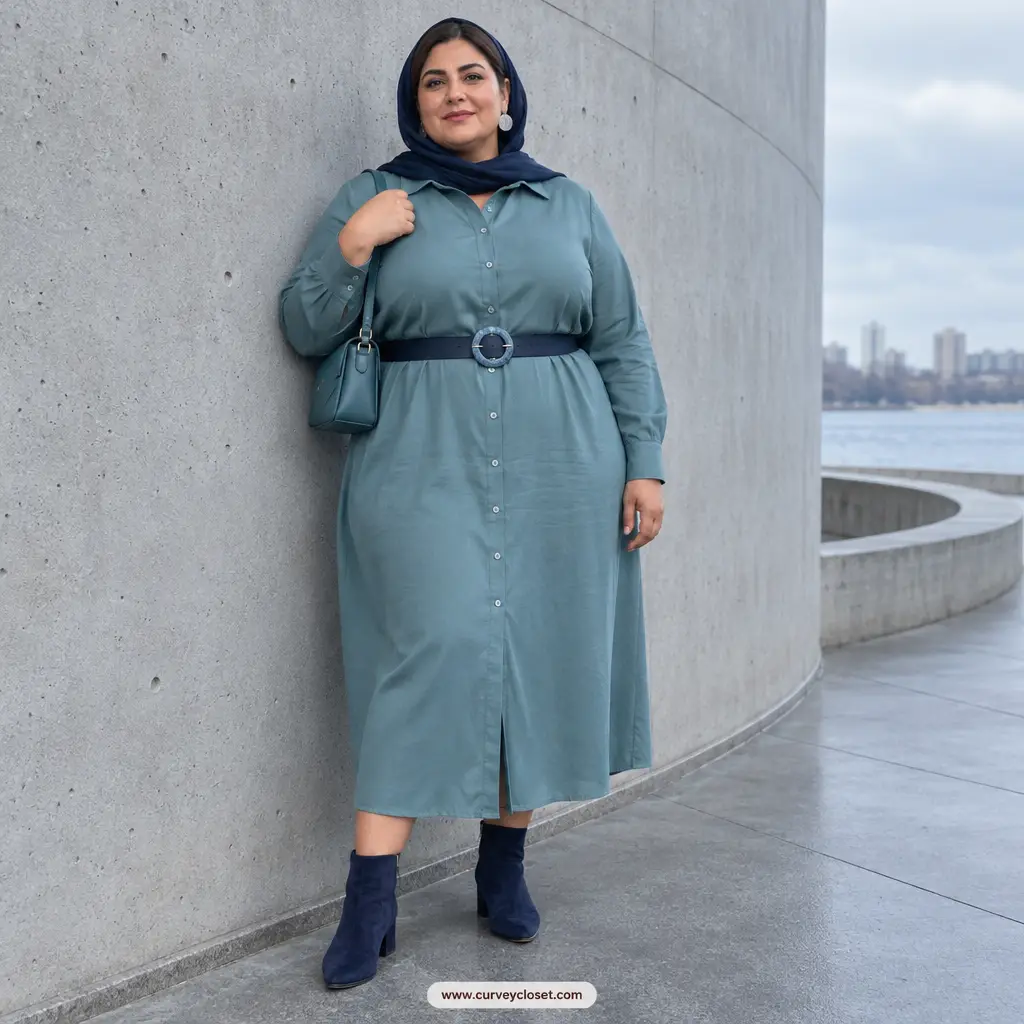
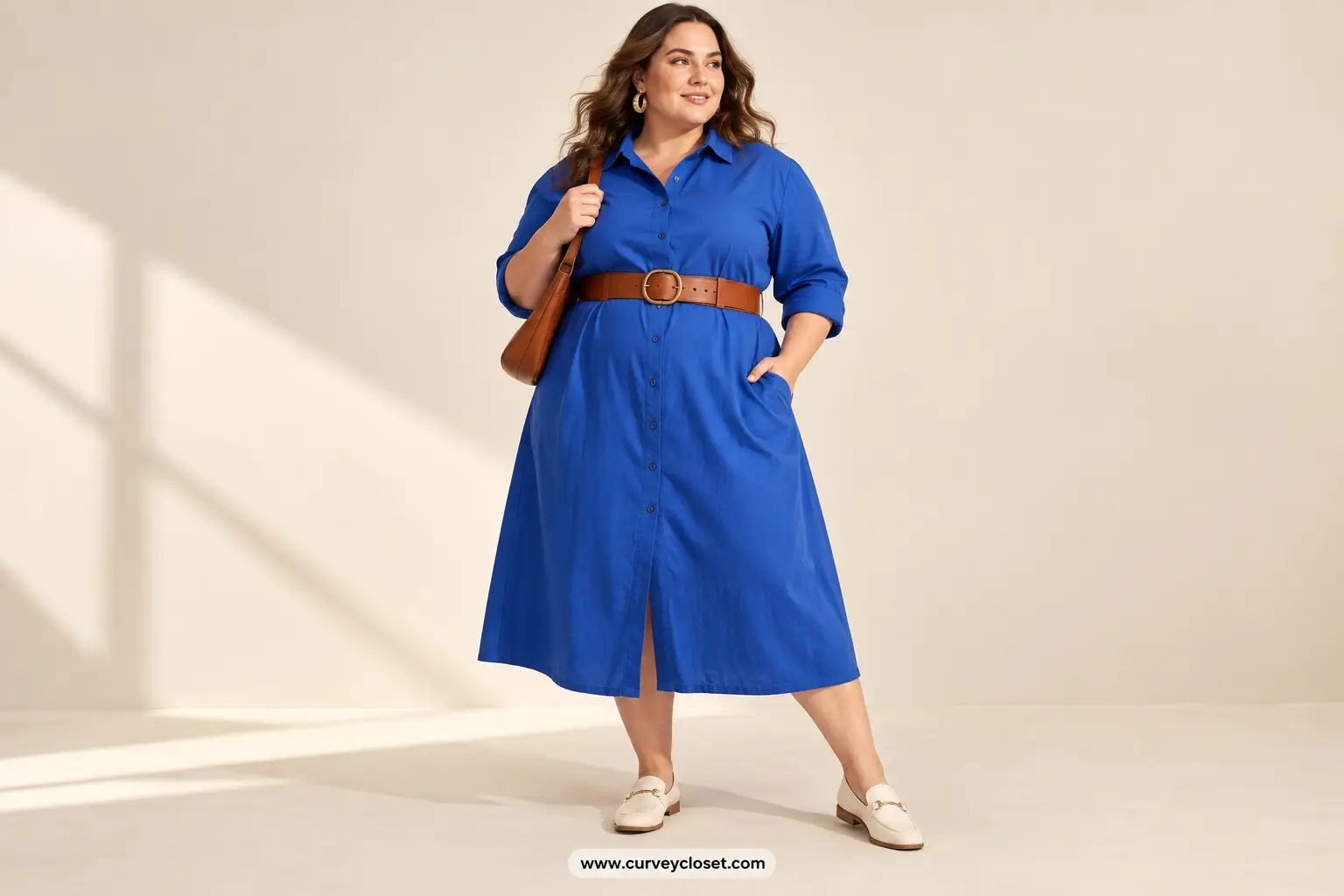
Do: Arrange your shirt, dress or jacket so its seams and closures sit comfortably before fastening the belt with light tension. Don't: Use the belt to force bulky folds, twisted seams or a pulling button placket into place.
Smooth or deliberately gather the fabric by hand, then check your reach and seated comfort. A little blousing above the belt can provide useful movement room. If a placket still pulls, adjust the garment’s fit or styling rather than tightening the belt; the belt should add interest, not do the work of tailoring.
How to wear it: Raise your arms after belting a shirt dress, then redistribute the fabric so the shoulders and waist both feel easy.
7.Maintain the holes, hardware and belt shape
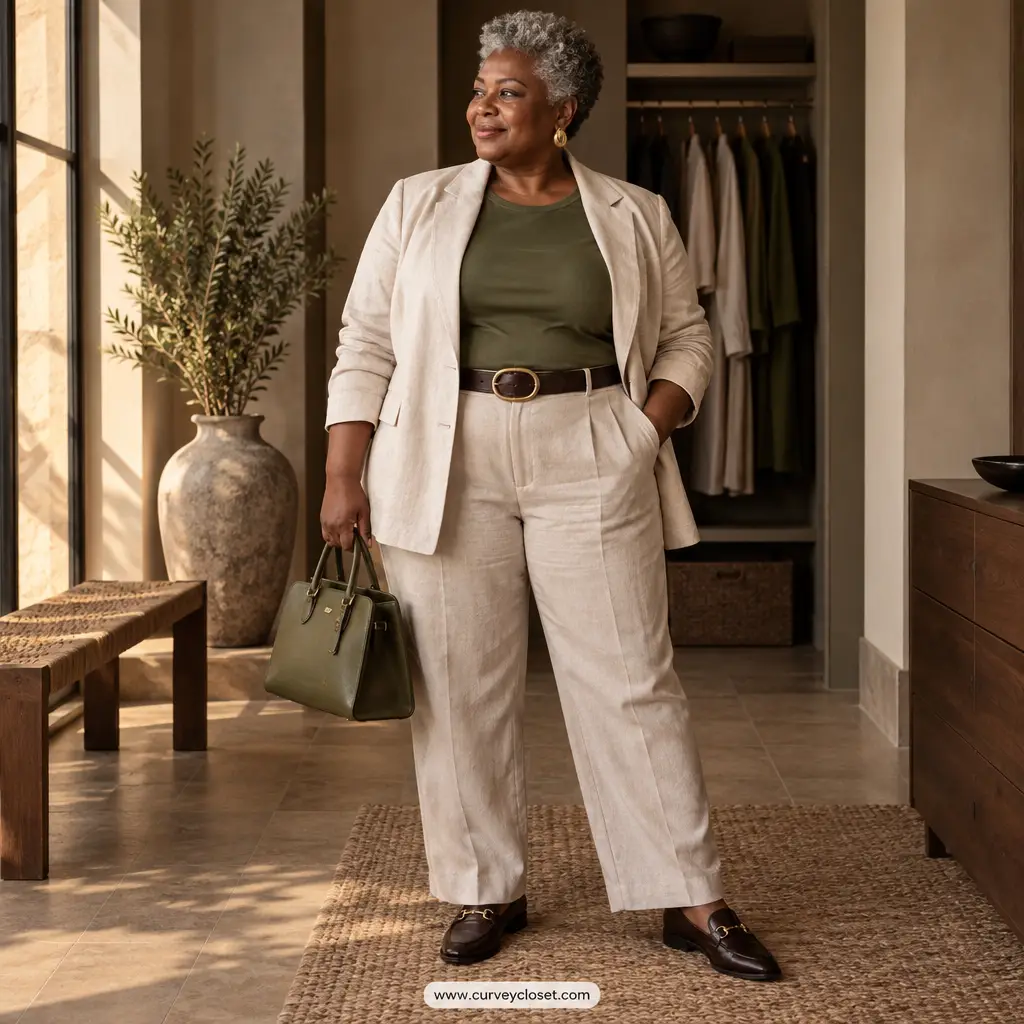
Do: Inspect holes, stitching and closures regularly, and store the belt loosely rolled or hung according to its material and care instructions. Don't: Pierce makeshift holes with scissors, sharply fold structured leather or keep wearing cracked fastening points.
A clean, correctly placed extra hole may improve adjustability on suitable leather belts; ask a leather repair specialist whether the material and spacing allow it. Wipe hardware as directed and let damp belts dry away from direct heat. These small checks help keep the fastening dependable and the belt comfortable to wear.
How to wear it: Before getting dressed, check your most-used belt hole for stretching or cracks and test the keeper’s stitching.
The takeaway
The best belt placement is the one you enjoy wearing. Check the fit over your actual outfit, give the buckle a seated test and make sure the fastening stays secure without extra tension. A statement belt can be bold, practical and comfortable—all at once.
Get outfit ideas from your own closet
Curvy Closet picks a daily outfit from the clothes you already own.
Learn moreShare counts include shares made with the buttons on this page. Images are AI-generated illustrations.