7 Tips for Rubber Sole Grip on Wet Pavements
29 October 2026 · 4 min read · 7 ideas
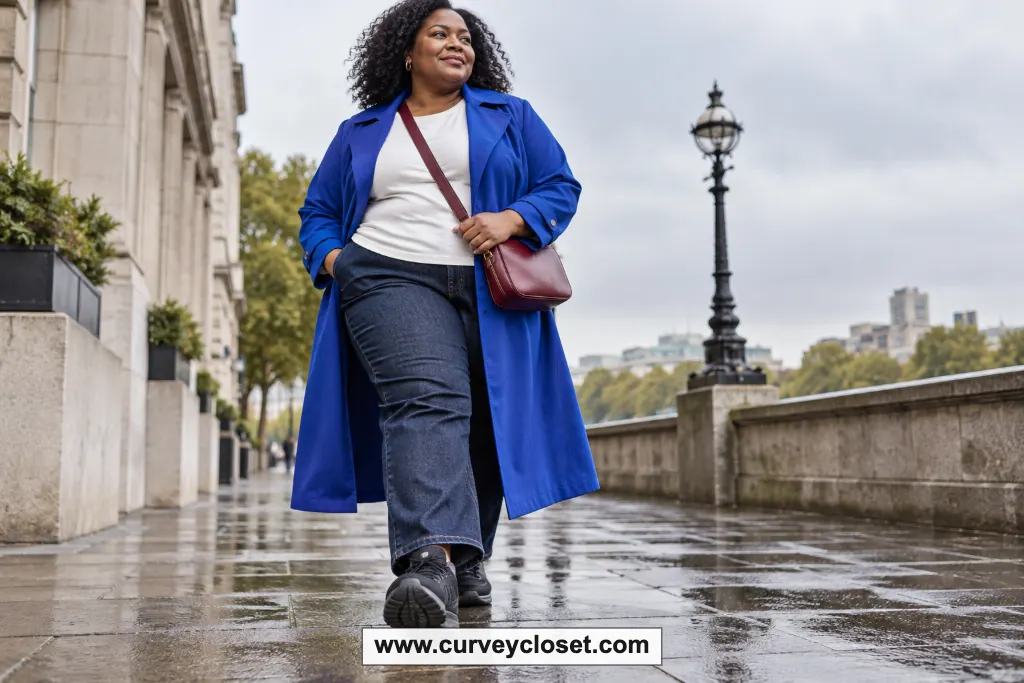
Good rubber sole grip on wet pavements starts with the shoe’s construction—not just a rubber label. Tread, fit, wear and the surface underfoot all matter, and no shoe makes every wet surface slip-proof.
These seven practical combinations bring together considered footwear and contemporary outfits for plus-size wardrobes. Think comfortable toe room, hems that stay clear of puddles and shoes that work with your day.
1.Rubber sole grip on wet pavements starts with tread
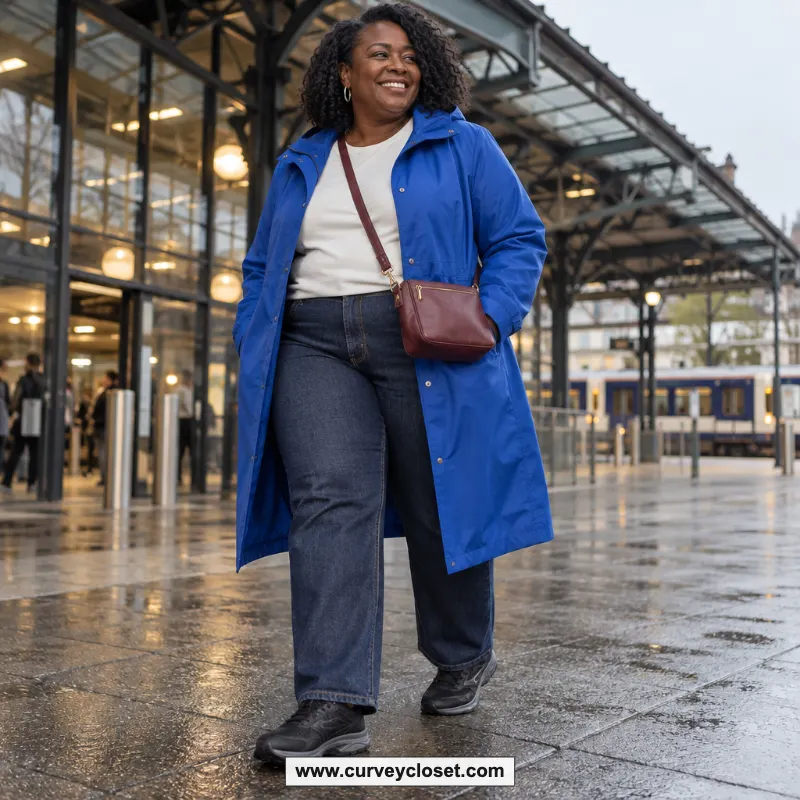
Start underneath the shoe: look for defined tread and channels rather than a largely smooth contact surface. Rubber compounds differ, so the material name alone cannot tell you how a shoe will behave in rain. Where available, check the manufacturer’s slip-resistance testing and the surfaces tested; results are not a promise for every pavement. For everyday errands, pair treaded walking trainers with straight-leg jeans and a colourful raincoat, leaving the hem clear of the ground.
How to wear it: Wear ankle-length jeans with cushioned socks and lace-up trainers that hold your heel securely without squeezing your toes.
2.Check rubber sole grip on wet pavements beyond the label
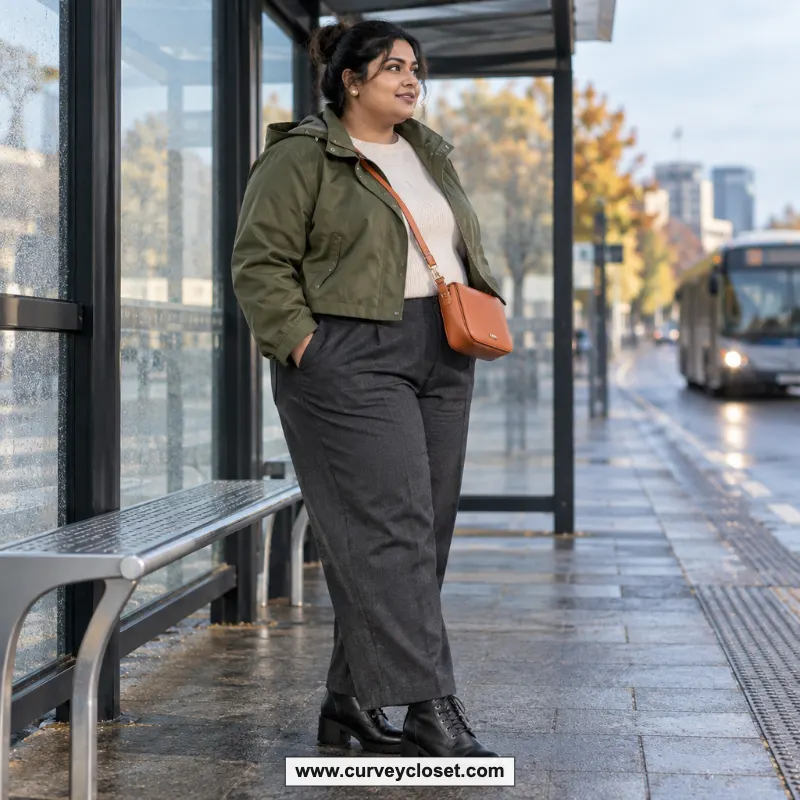
A chunky-looking sole is not automatically a grippy one. Before choosing an ankle boot, inspect the actual tread, read any available wet-surface test information and check that the upper holds your foot securely. A low, broad heel can feel steadier than a narrow one, but it does not establish slip resistance. Try boots with your usual socks and walk indoors before committing. A rounded-toe lace-up style pairs easily with cropped tailored trousers and a weather-ready jacket.
How to wear it: Choose trousers that finish above the boot shaft, with soft socks bridging the gap on colder days.
3.Make secure fit part of your comfort check
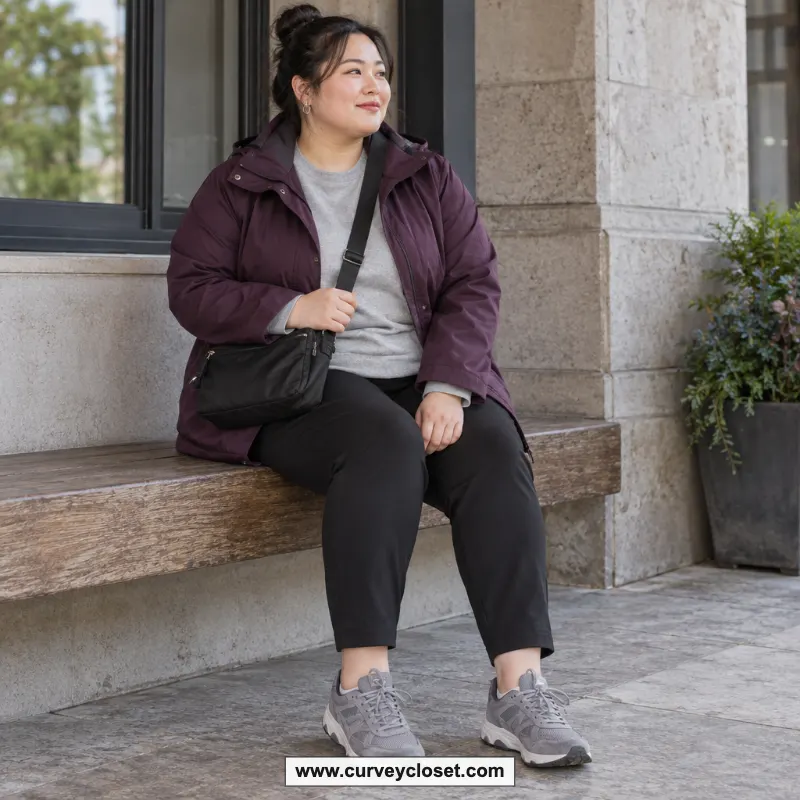
Grip underfoot cannot prevent your foot moving around inside an ill-fitting shoe. Look for enough toe room, a secure heel and a fastening you can adjust across the instep. If you need more space, compare wide-fit options rather than automatically sizing up in length. Try both shoes with the socks you intend to wear, checking for pressure and heel lift as you walk. Adjustable walking shoes look contemporary with relaxed trousers and a neat, hip-length waterproof jacket.
How to wear it: Adjust your laces from the forefoot upwards, keeping the toes comfortable and the heel held without tight pressure across the instep.
4.Pair treaded ankle boots with a practical midi
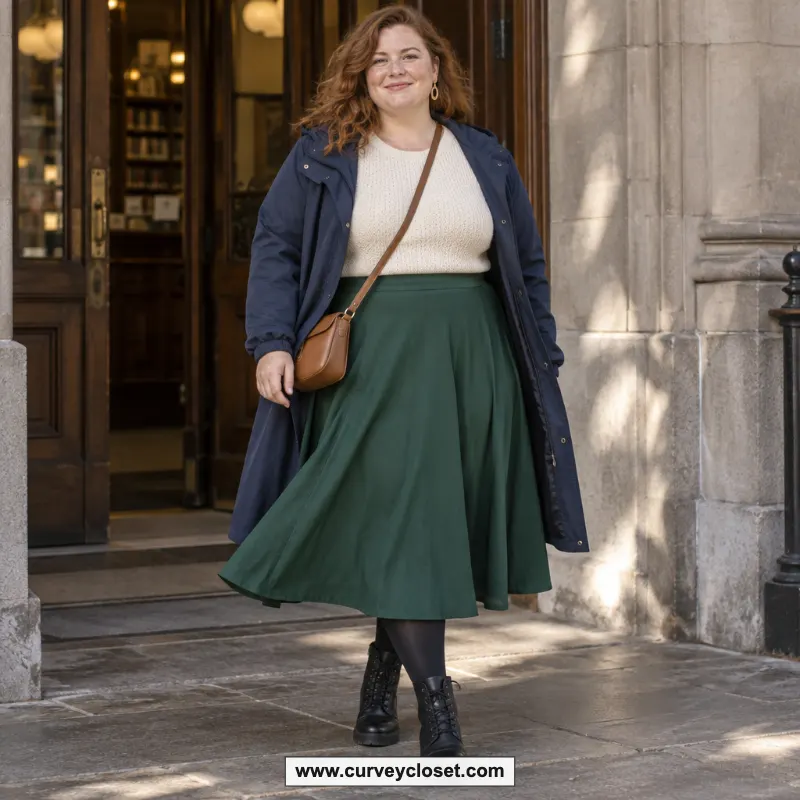
A skirt can be a practical rainy-day choice when its hem stays well away from the pavement. Pair an opaque jersey midi with ankle boots that have defined tread, a secure fit and a low heel. Check that the skirt allows your normal stride rather than making you take awkward steps. Add a waterproof coat for weather protection; leather boots are not necessarily waterproof unless specified. On slick paving, shorten your steps and avoid sudden turns, regardless of footwear.
How to wear it: Try a mid-calf A-line skirt with opaque tights and lace-up boots, then walk and sit to check ease of movement.
5.Choose office shoes with substance underneath
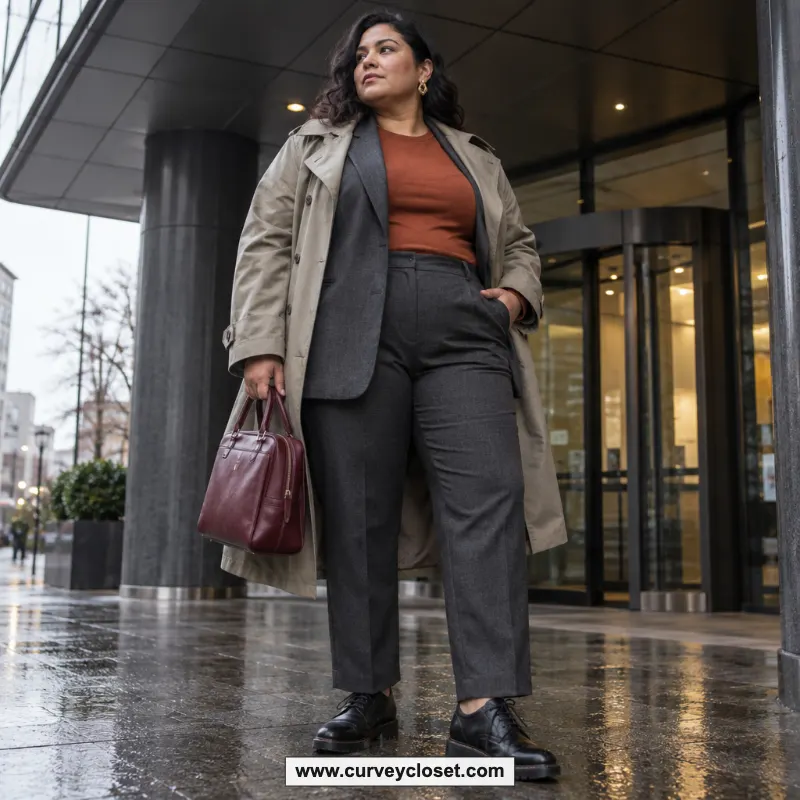
For office days, inspect smart shoes as carefully as walking trainers. Some loafers and brogues have smooth soles despite a substantial appearance. Look for defined rubber tread, then check that your heel stays in place; a lace-up Derby offers adjustment that a slip-on cannot. Pair it with ankle-length tailored trousers and a relaxed blazer under your raincoat. If your preferred work shoes lack suitable grip, carry them in a zipped bag and change after the wet part of your commute.
How to wear it: Wear treaded lace-up Derbies with fine socks and cropped tailored trousers for a polished outfit without trailing hems.
6.Balance cushioning with a stable-feeling sole
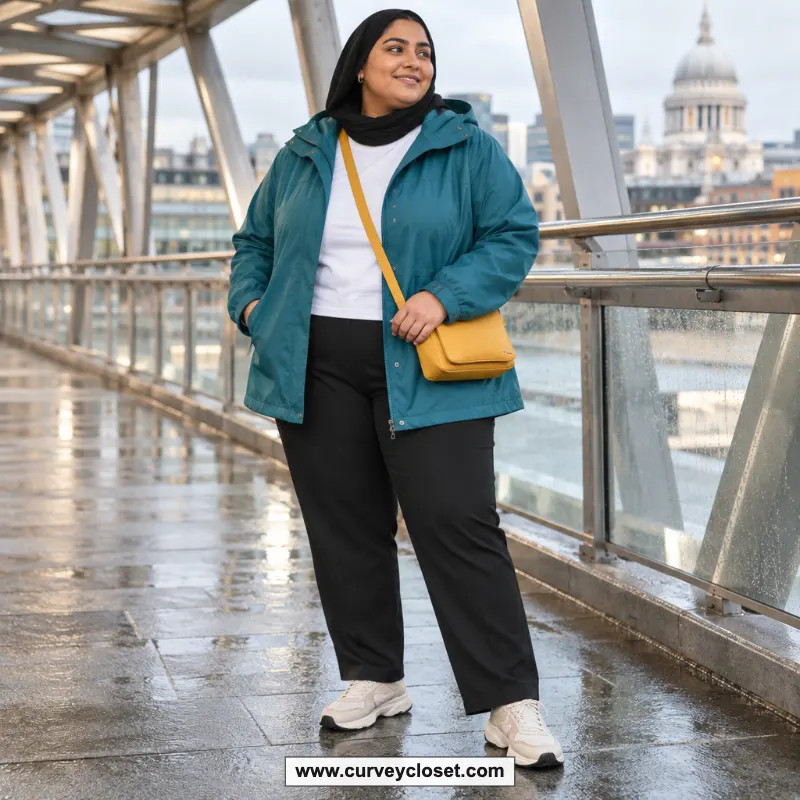
Comfort matters on longer days, but the softest or tallest sole is not always your best match. Try shoes for cushioning that feels comfortable without leaving you feeling wobbly, and check that the shoe bends comfortably as you walk. A deep platform is not proof of traction. For a casual combination, choose walking trainers with secure laces, ankle-length stretch trousers and a breathable top beneath a waterproof shell. Test the complete combination indoors, including your usual socks or prescribed orthotics.
How to wear it: Wear stretch trousers with a hem that clears the shoe collar, avoiding fabric that gathers beneath your heel.
7.Keep soles clean and know when to replace them
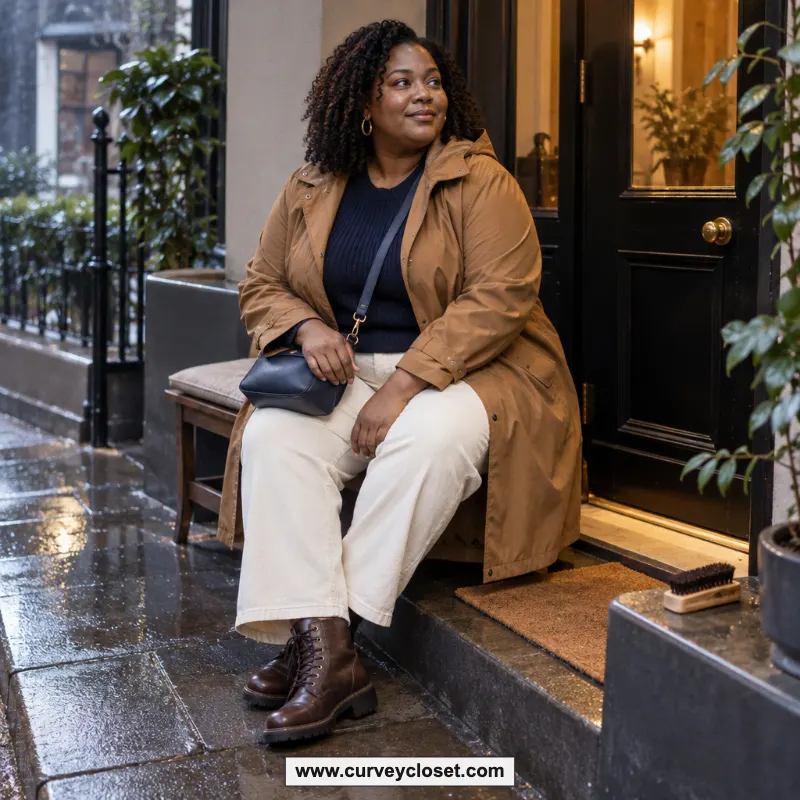
Even well-chosen shoes need regular checks. Remove trapped grit and mud with a soft brush, following the maker’s cleaning guidance, and inspect the tread for areas worn smooth or unevenly. Let shoes dry as directed, away from direct heat unless the manufacturer says otherwise. Ask a repairer about suitable resoling, or replace footwear when wear compromises its use. Keep wet leaves, metal covers and painted markings in mind: route choices and slower, shorter steps remain important alongside your shoes.
How to wear it: Keep a small shoe brush near the door and check clean, dry soles before putting together your next rainy-day outfit.
The takeaway
Choose shoes by their tread, secure fit and comfort—not rubber alone. Keep soles clean, check for wear and take extra care on wet leaves, painted markings and metal covers. Your rainy-day outfit can still feel completely like you, from colourful trainers to polished ankle boots.
Get outfit ideas from your own closet
Curvy Closet picks a daily outfit from the clothes you already own.
Learn moreShare counts include shares made with the buttons on this page. Images are AI-generated illustrations.