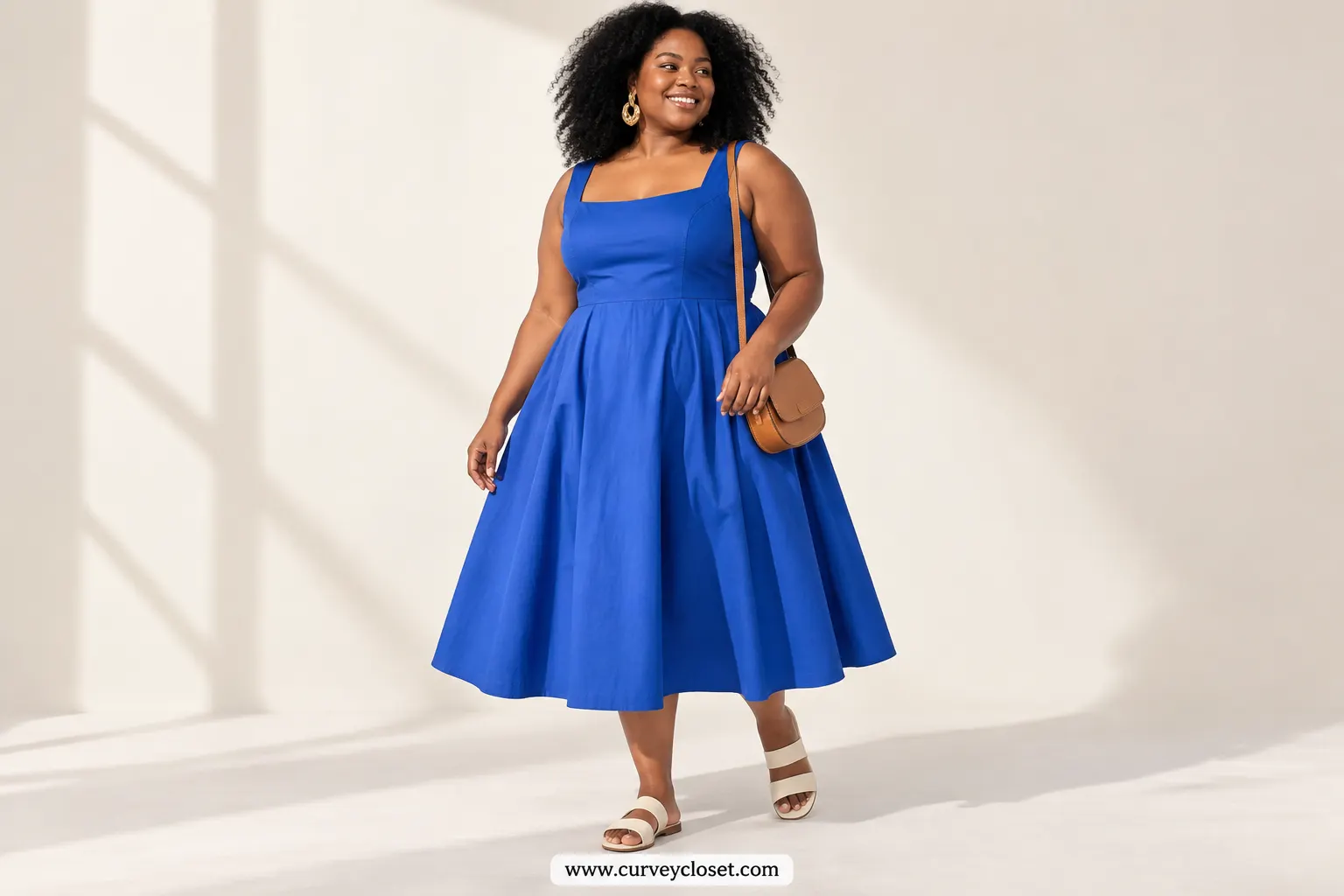
7 Fabric Guide Do’s & Don’ts for Plus-Size Jersey Dresses
11 October 2026 · 4 min read · 7 ideas
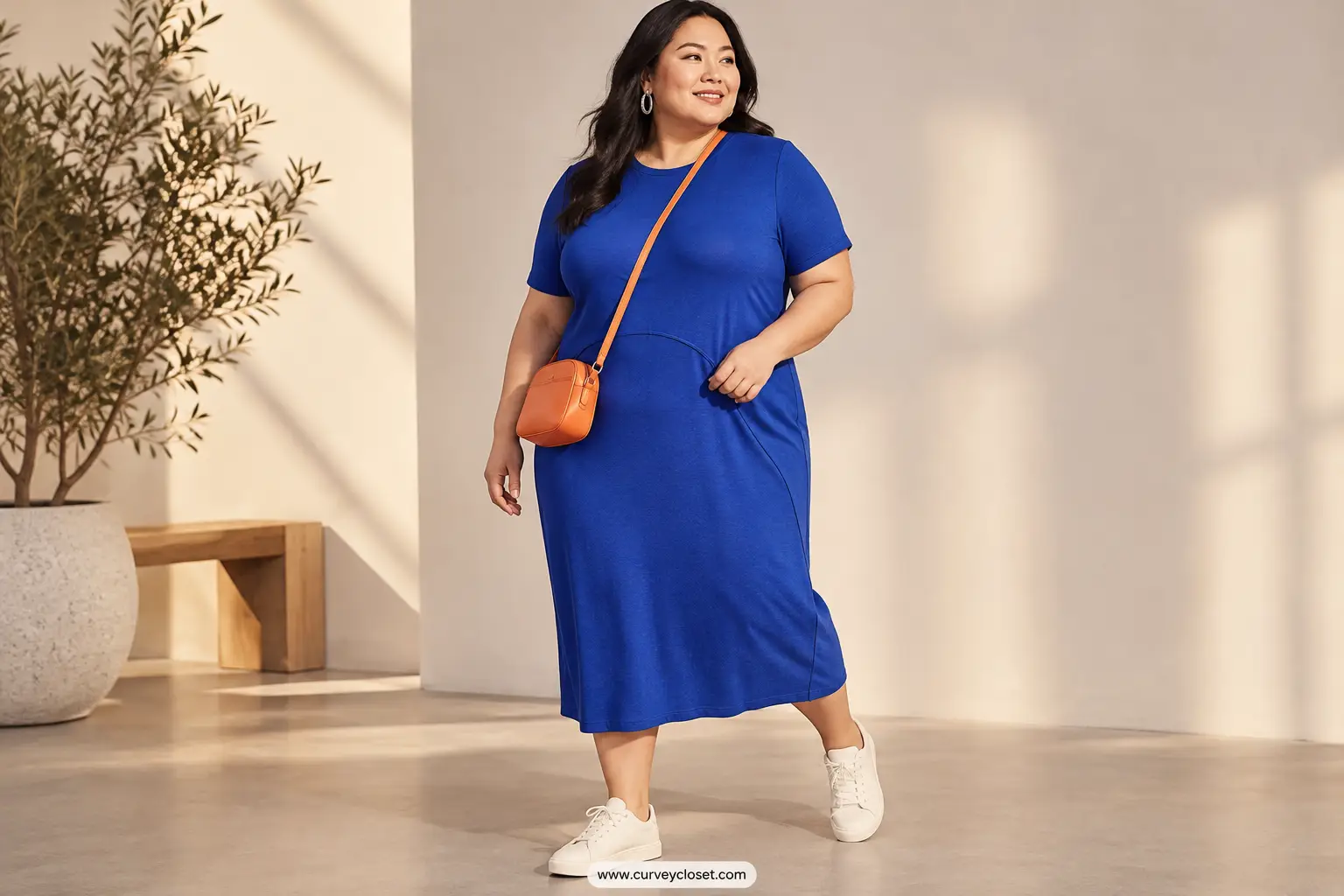
A jersey dress should feel good when you sit, reach and get on with your day. This fabric guide helps you judge stretch, recovery and seams—not your body.
These seven paired do’s and don’ts make shopping, styling and caring for plus-size jersey dresses more straightforward. Start with the feel you enjoy, then check whether the fabric and construction support it.
1.Fabric guide: Match stretch to the dress’s cut
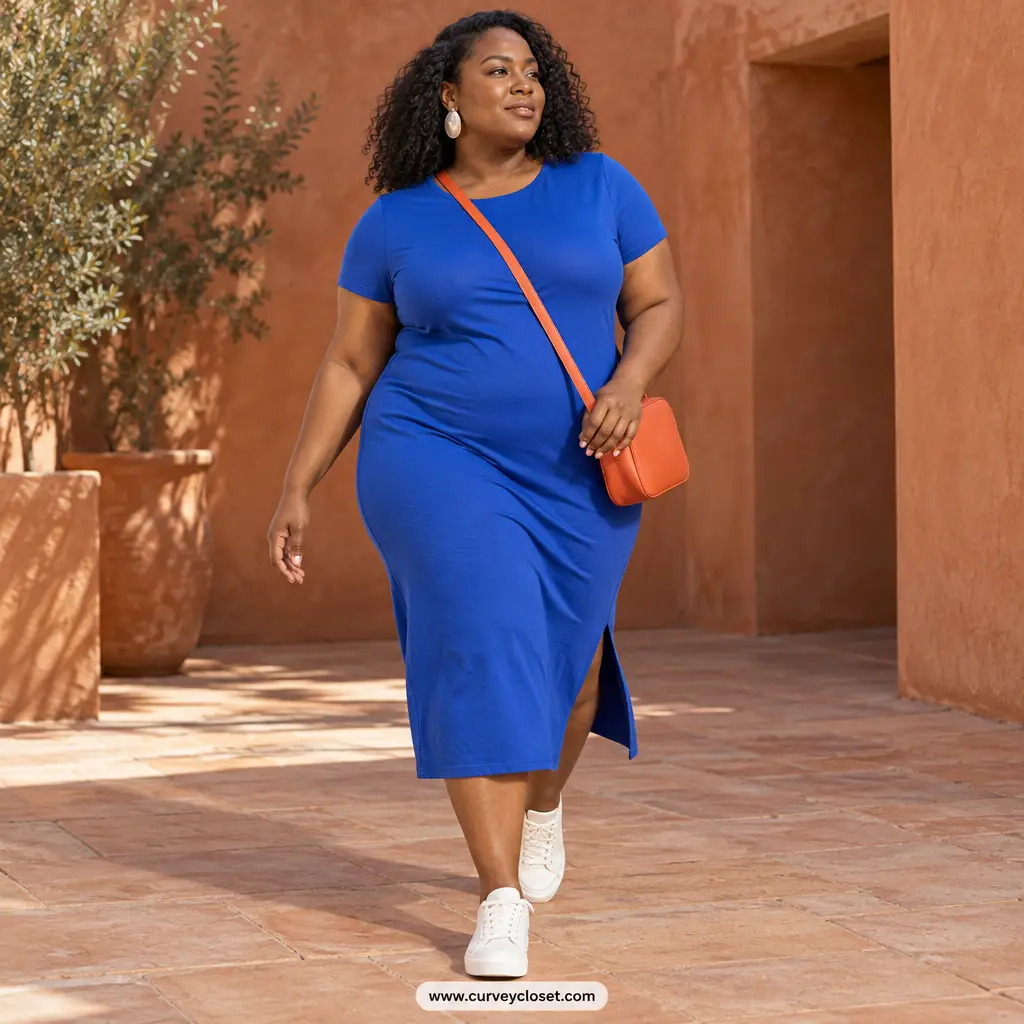
Do: Check which directions the jersey stretches, then try the dress while sitting, reaching and taking a full stride. Don't: Assume every knit stretches equally or choose a smaller size because the fabric gives.
A close-fitting sleeve needs comfortable movement across the upper arm; a straight skirt needs enough room for your stride, whether from stretch, cut or a vent. Two-way and four-way descriptions can vary between retailers, so movement matters more than the label alone. Choose the size that feels comfortable without requiring constant tension through the fabric.
How to wear it: Try the dress with your usual underwear and shoes, then sit for a minute before deciding on the fit.
2.Fabric guide: Test recovery, not just give
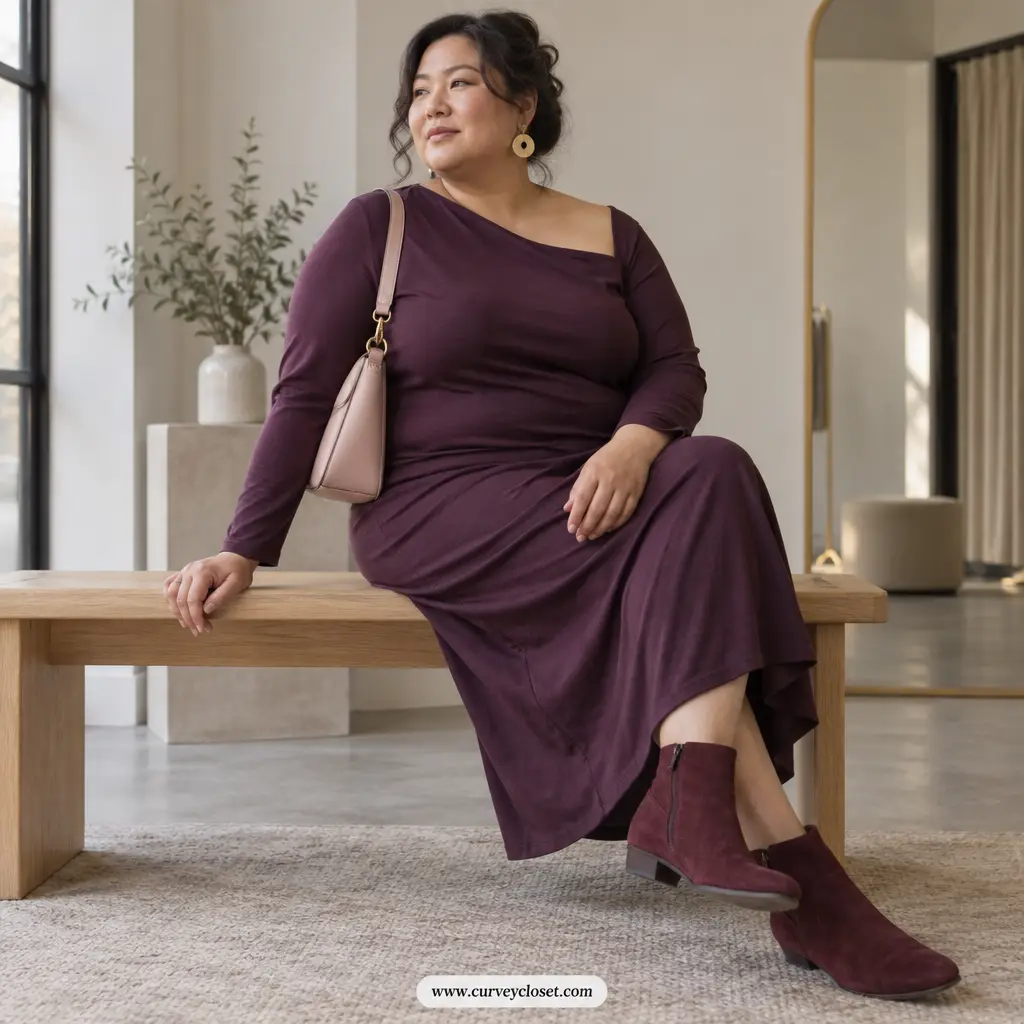
Do: With permission when shopping, gently stretch a small section of fabric and see whether it returns smoothly when released. Don't: Pull hard on the dress or treat an elastane percentage as a guarantee against bagging.
Recovery describes how well fabric returns after stretching. Knit structure, yarn and garment construction all contribute, so composition alone cannot tell the whole story. During a try-on, sit briefly, then stand and check the seat and elbows for persistent looseness. A relaxed drape is a design choice; unwanted changes after ordinary movement are a different issue.
How to wear it: For a fitted jersey dress, check the elbows and seat again after moving around the fitting room.
3.Choose fabric weight for the feel you want
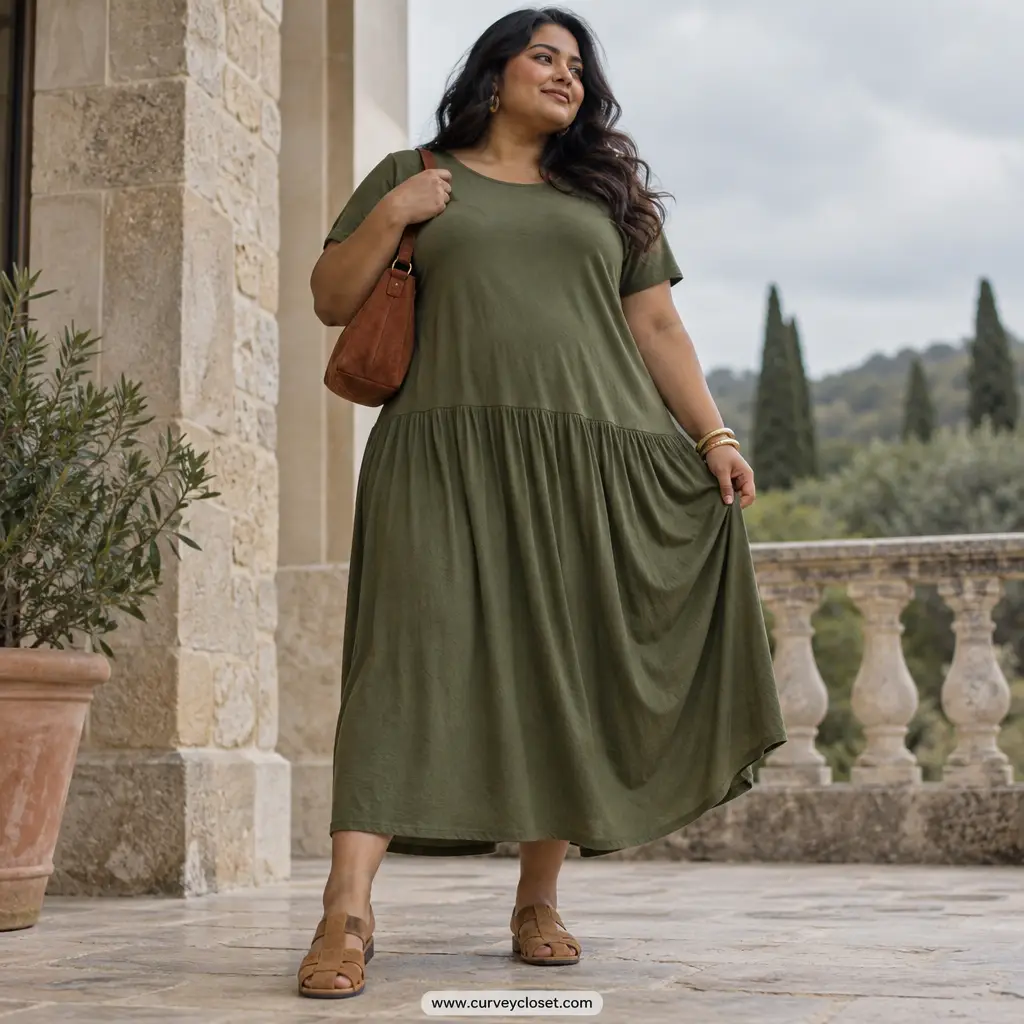
Do: Assess drape, opacity and warmth together, holding the fabric toward light and checking it again while wearing it. Don't: Assume thicker jersey is always better, or that lightweight jersey must be transparent.
A fluid knit can make a gathered dress feel wonderfully mobile, while a denser double knit can support a more architectural cut. Colour, knit density and stretch affect opacity, so inspect the actual garment rather than guessing from a fabric name. Check under daylight if possible, particularly where the fabric stretches, and choose layers according to your own coverage and temperature preferences.
How to wear it: Pair fluid jersey with soft suede accessories, or give structured double knit a crisp leather shoe.
4.Check seams where your body moves
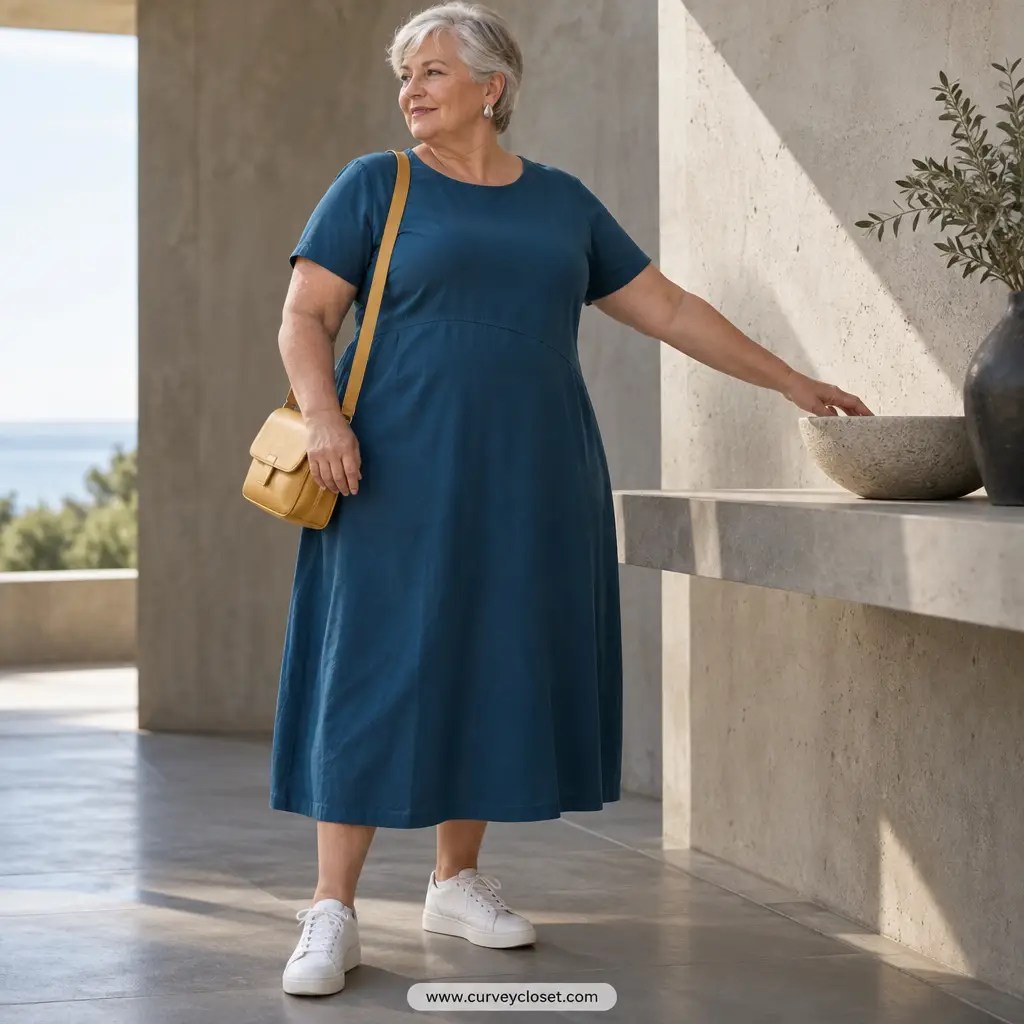
Do: Feel inside the dress at the underarms, neckline and waist, then move to check for rubbing or tightness. Don't: Ignore scratchy seam allowances, bulky intersections or stitches that strain during normal movement.
A stretchy fabric cannot compensate for a seam that restricts it. Seams should accommodate the movement needed in that part of the dress without digging in or making popping sounds. Smooth overlocking can be comfortable, but the finish matters more than its name. If one area irritates you, compare another garment or ask a tailor whether a suitable adjustment is possible.
How to wear it: Raise both arms and rotate your shoulders to test underarm seams before removing the tags.
5.Let ribbing and prints rest comfortably
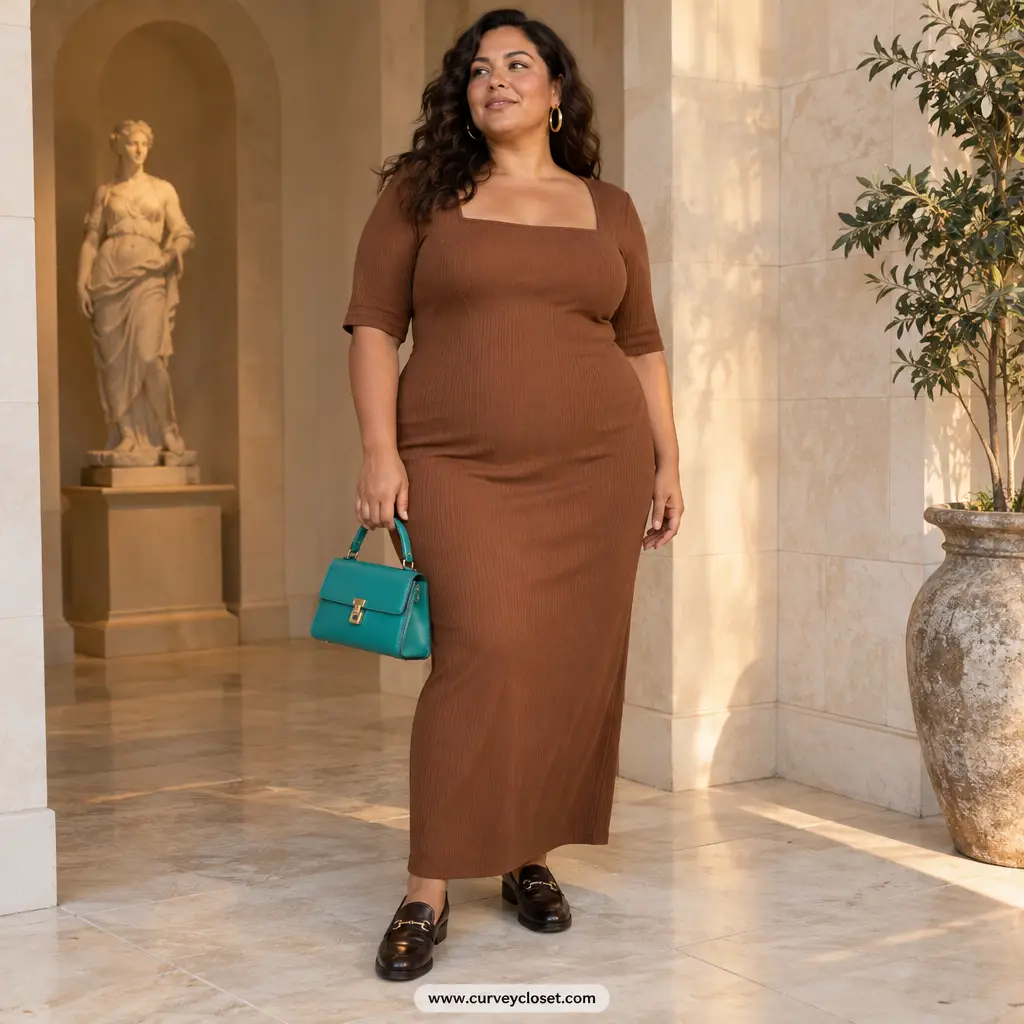
Do: Check rib spacing and printed motifs while standing and sitting to see how the fabric behaves at your preferred fit. Don't: Use stretched-out ribs or distorted prints as a reason to criticise your body—or assume you must stop wearing them.
These details can simply show where a garment is under more tension than intended. If that tension feels uncomfortable, compare sizes or a different cut in the same style. Ribbed jersey can be close-fitting or relaxed; neither is inherently better. What matters is comfortable movement, the coverage you want and a look you enjoy.
How to wear it: Try the same ribbed dress in two sizes and choose by comfort and intended silhouette, not the number.
6.Keep layers and accessories from dragging
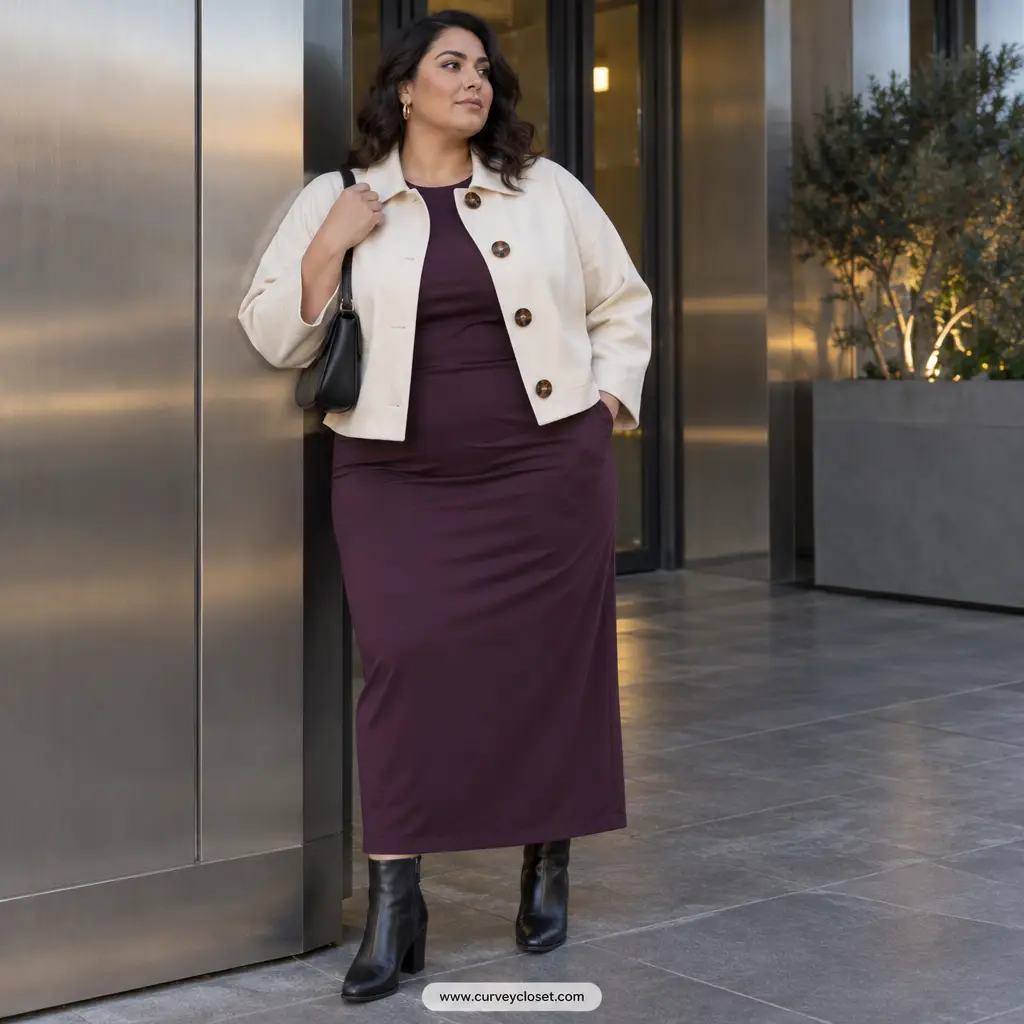
Do: Choose layers that glide comfortably over jersey and check whether bags or belts pull the dress out of position. Don't: Keep tightening a belt or repeatedly tugging the hem when friction or accessory weight is causing the problem.
A rough jacket lining can catch a soft knit, while a heavy crossbody bag may shift a stretchy neckline. Try a smoother-lined layer, lighten the bag or adjust its strap length. If you enjoy a belt, fasten it where it feels comfortable and let the dress settle naturally rather than forcing the fabric into place.
How to wear it: Walk and sit in your complete outfit to check that your jacket, belt and bag cooperate with the dress.
7.Care for the knit without stretching it
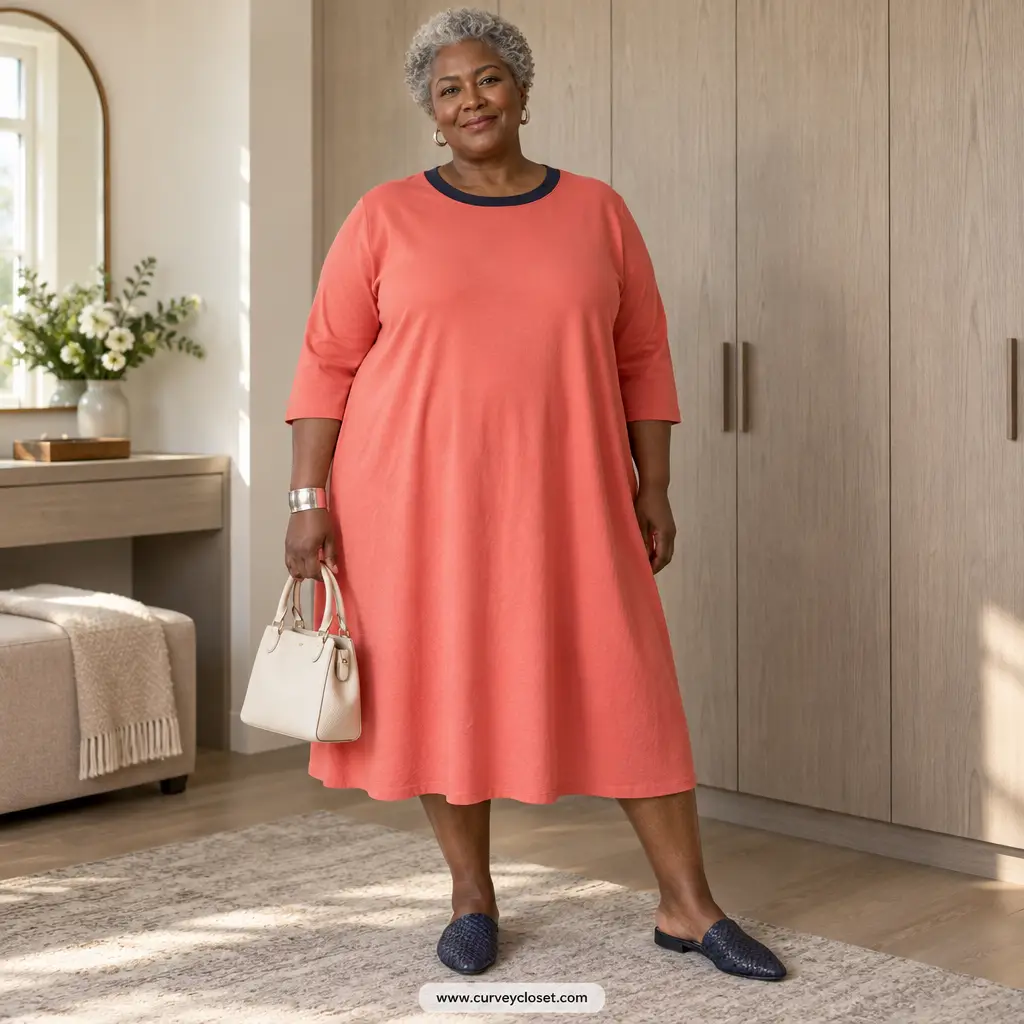
Do: Follow the care label, reshape gently after washing and support the dress’s weight while it dries. Don't: Wring wet jersey, hang a heavy wet dress from its shoulders or assume high heat is suitable for every blend.
Wet fabric can become heavy enough to stretch under its own weight. Dry flat when instructed, and use the recommended washing and ironing settings rather than a universal jersey routine. Once dry, fold knits that lengthen on hangers. These small habits help preserve the intended shape, seam alignment and comfortable fit without demanding complicated care.
How to wear it: Before wearing a stored dress, check its seams hang straight and smooth any creases using the label-approved method.
The takeaway
The best jersey dress is one whose fabric, fit and seams work together for your comfort. Check movement, recovery and construction before committing, then follow the care label to help preserve the feel you chose. Your body doesn’t need adjusting; your clothes should accommodate it.
Get outfit ideas from your own closet
Curvy Closet picks a daily outfit from the clothes you already own.
Learn moreShare counts include shares made with the buttons on this page. Images are AI-generated illustrations.