7 Fabric Guide Do’s & Don’ts for Plus-Size Knit Trousers
13 October 2026 · 4 min read · 7 ideas
Great knit trousers should move with you, feel good against your skin and keep working beyond the first wear. This fabric guide helps you assess the details that matter, from stretch recovery to seam construction.
These seven paired do’s and don’ts make shopping, styling and caring for plus-size knit trousers more straightforward. The goal is clothes that suit your body and your day—not a body that has to suit the clothes.
1.Fabric Guide Do’s & Don’ts for Stretch Recovery
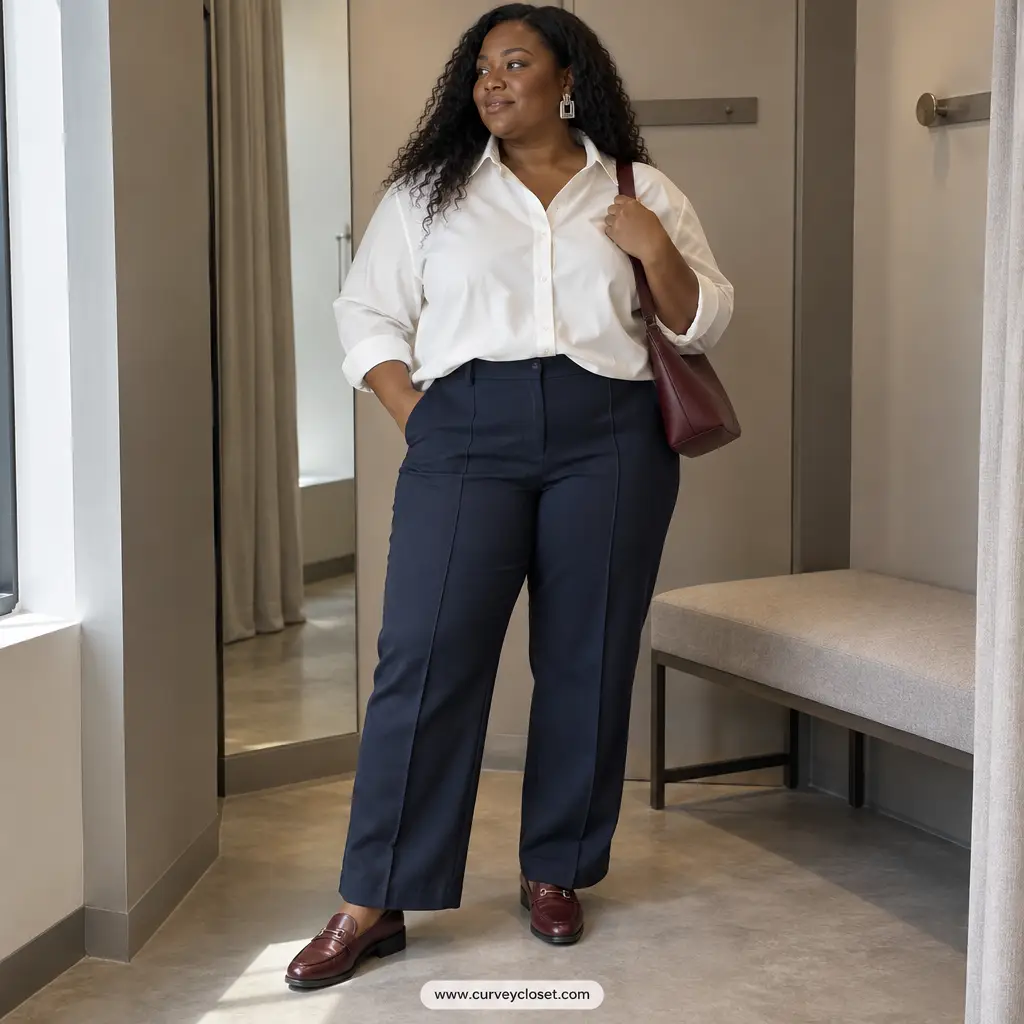
Do: Gently stretch a small section of fabric, release it, and check whether it returns promptly to its original shape. Don't: Assume a high elastane percentage guarantees trousers that never bag at the knees. Recovery depends on yarn, knit construction and finishing as well as fibre content. In the fitting room, sit for a few minutes, stand, and look at the knees and seat. Some temporary relaxation is normal; persistent distortion is worth noting. Compare pairs using the same movements rather than judging stretch by how far you can pull the fabric.
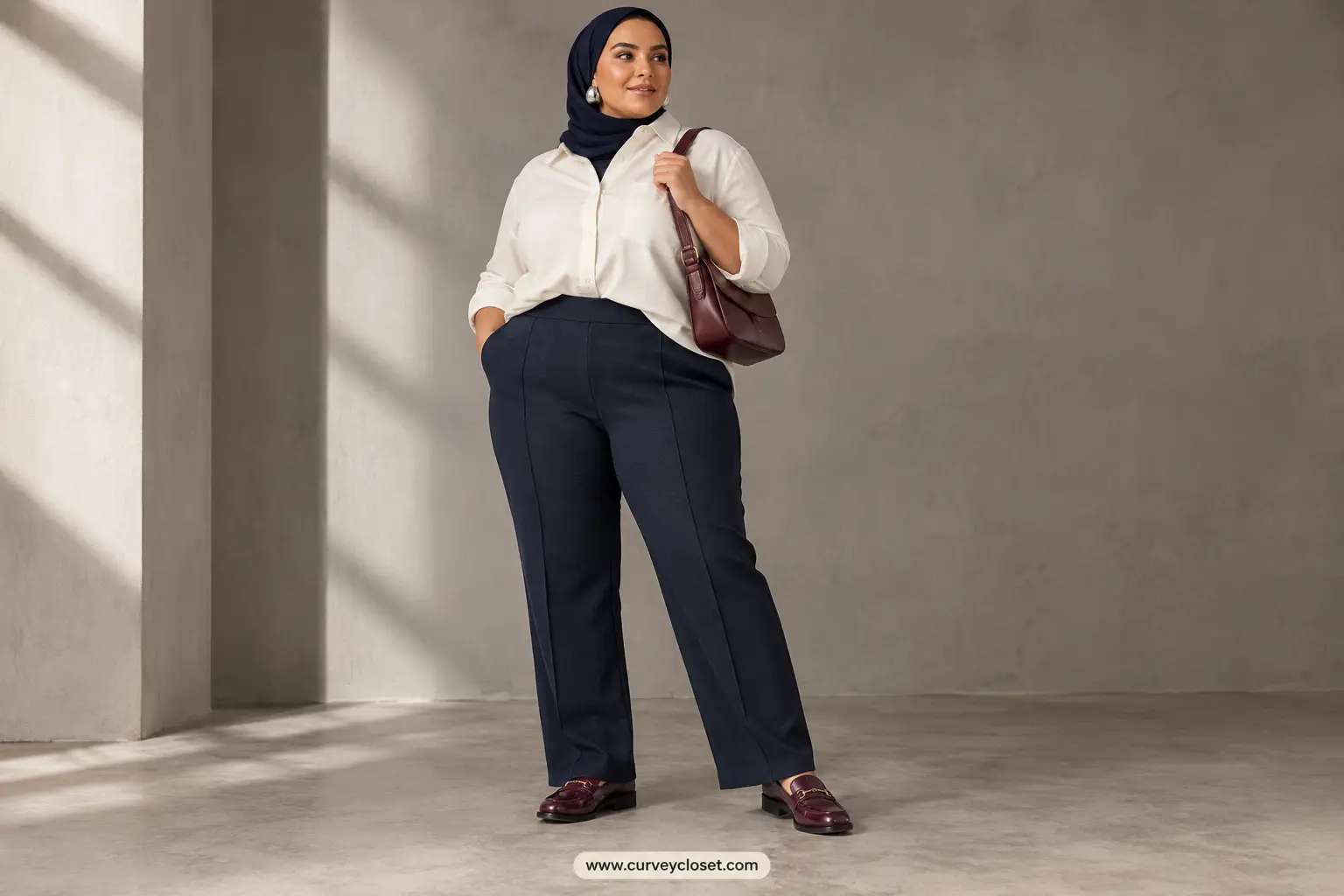
How to wear it: Wear straight-leg ponte trousers with a crisp cotton shirt and loafers for a texture contrast that works for office days.
2.Fabric Guide Checks for Weight and Opacity
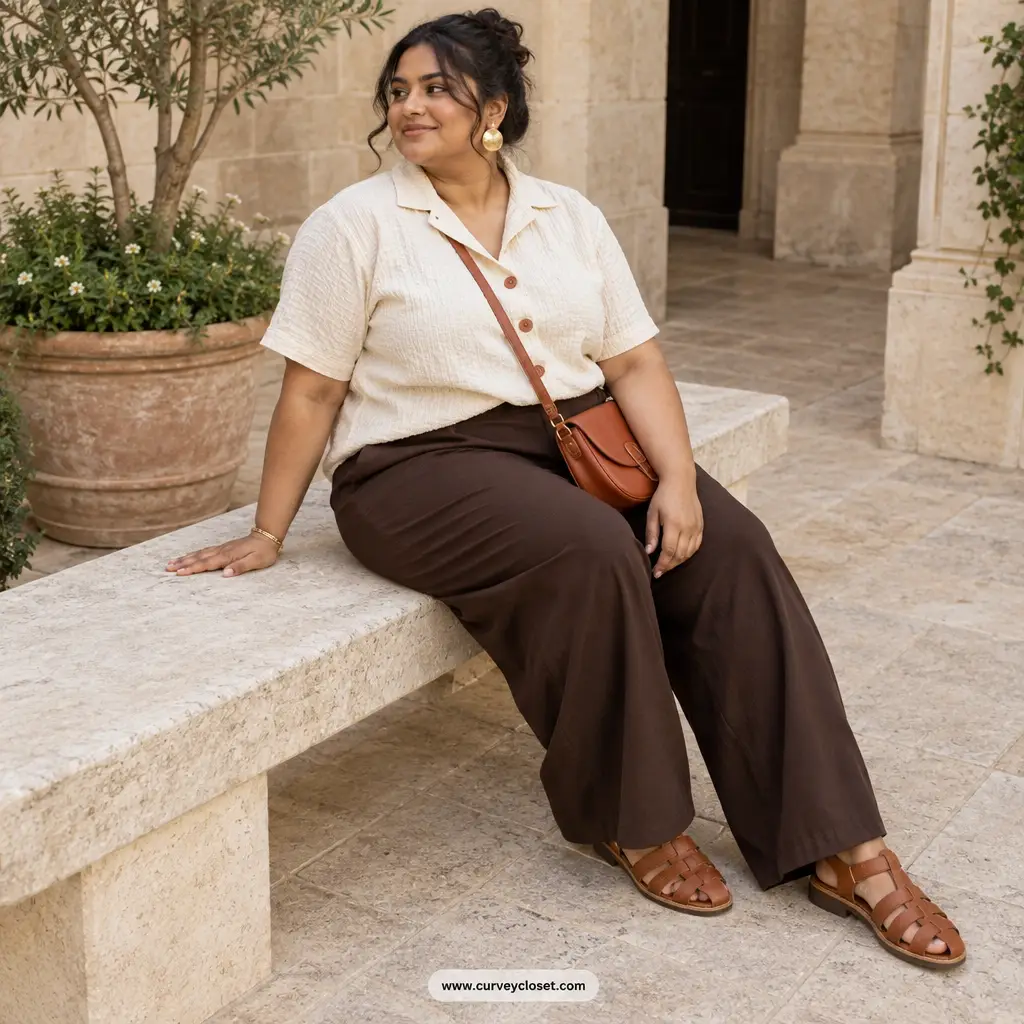
Do: Check the knit in daylight and bend or sit to assess coverage where the fabric stretches. Don't: Treat thickness, darkness or a 'premium' label as proof of opacity or quality. A dense double knit often behaves differently from a lightweight single jersey, but neither name tells the whole story. Look for a surface that stays comfortably opaque during your usual movements. If the fabric becomes sheer only under tension, try another size or cut. Choose weight for your climate, too: substantial trousers need not be your year-round default.
How to wear it: Pair opaque, fluid wide-leg knit trousers with a textured short-sleeved shirt and supportive sandals for warmer days.
3.Choose Comfort Over Waistband Tension
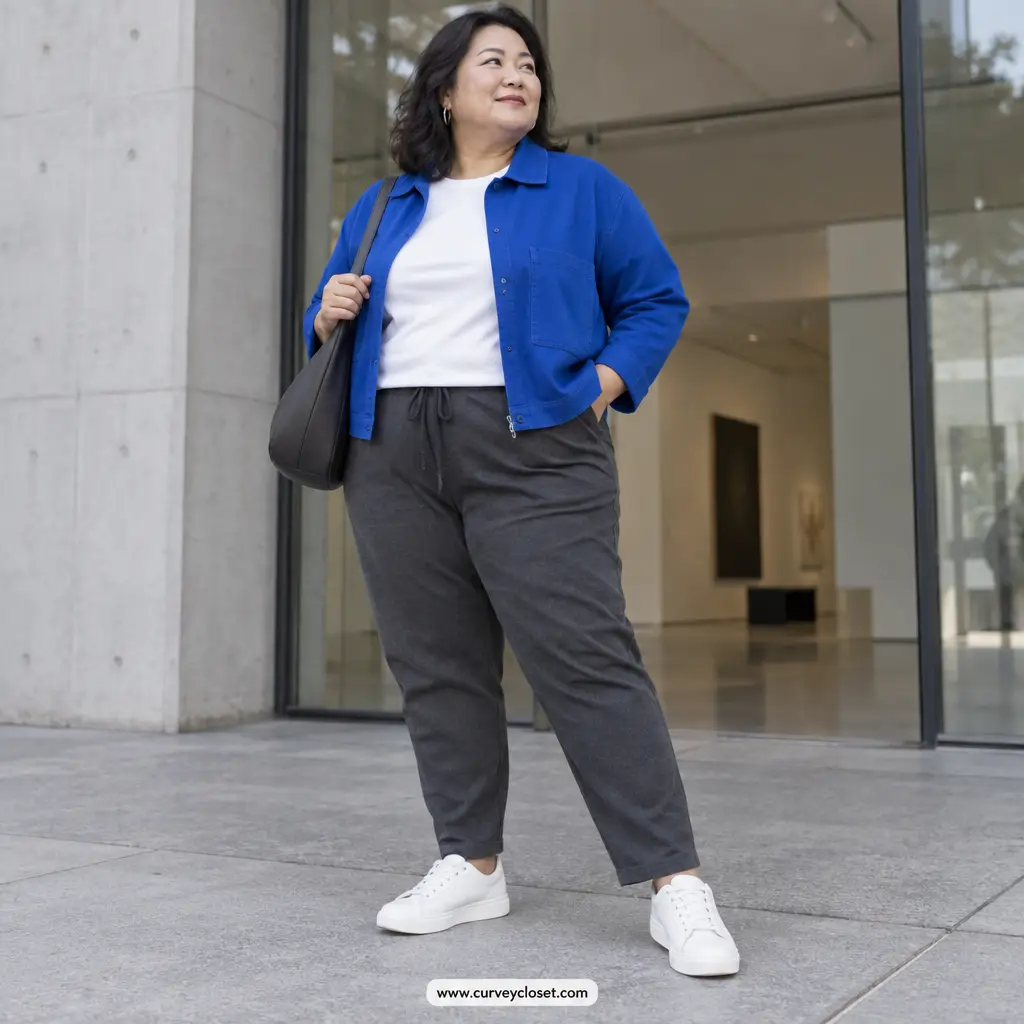
Do: Sit, breathe deeply and move around to check the waistband, rise and room through the hips and thighs. Don't: Size down to make a stretchy waistband stay put or accept digging as something that must break in. A rolling waist can reflect elastic tension, rise or cut, so compare constructions rather than blaming your body. Look for elastic that lies comfortably and stitching that does not scratch. If one size feels good at the waist but restricts sitting, try a different trouser shape with measurements closer to yours.
How to wear it: Style drawstring knit trousers with a hip-length tee and an open cropped jacket, adjusting the cord while seated.
4.Inspect Seams for Strength and Softness
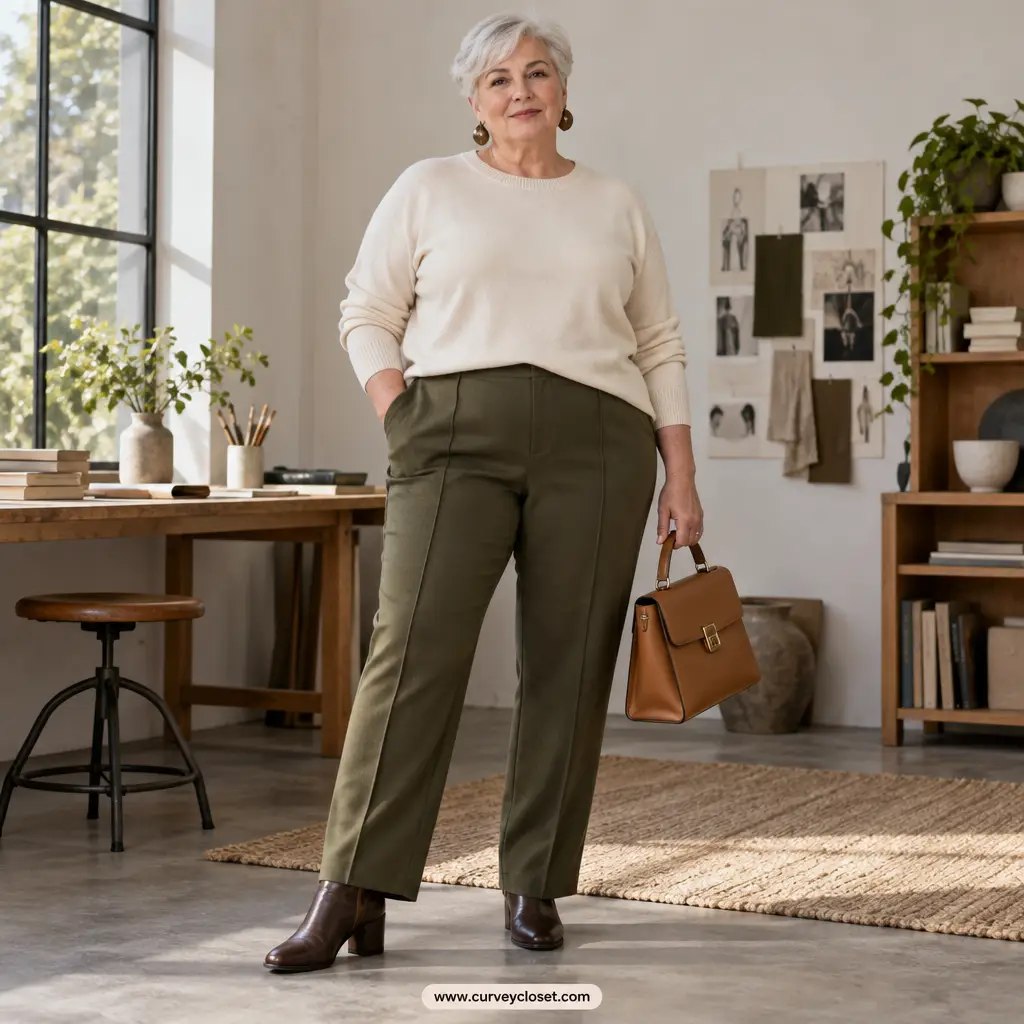
Do: Inspect the inside seams and gently stretch them to check that the stitching moves with the knit. Don't: Ignore skipped stitches, puckering, scratchy allowances or thread that sounds as though it is snapping. Pay particular attention to the crotch junction, inner legs and waistband attachment, where construction needs to support everyday movement. Seams should feel comfortable against your skin, not simply look tidy outside. A tailor experienced with stretch fabrics can assess repairs or alterations; ordinary rigid stitching may restrict the very flexibility you bought the trousers for.
How to wear it: Wear seam-detailed knit trousers with a fine-gauge top and ankle boots, checking seam comfort before committing to a full day.
5.Assess Pilling Without Judging by Fibre Alone
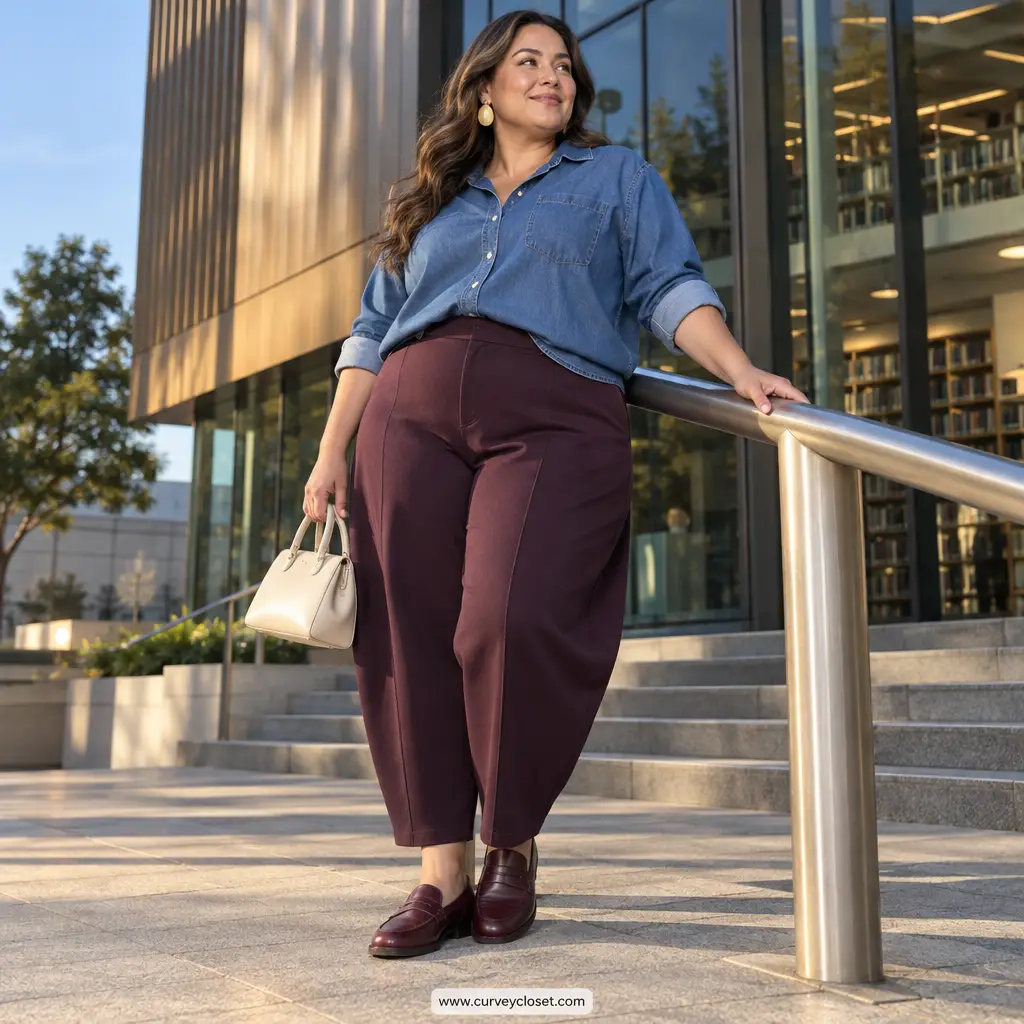
Do: Examine high-friction areas on a worn pair and read reviews for repeated reports of surface bobbling. Don't: Assume natural fibres never pill or that every synthetic blend will pill badly. Pills form when loose fibres tangle through friction, and yarn quality and construction influence the result. A fuzzy surface is not automatically poor quality, but it may need different upkeep from a smooth compact knit. Notice contact from bags, seating and everyday movement. Choose a finish whose maintenance fits your routine rather than expecting any fibre label to promise a pill-free life.
How to wear it: Pair smooth plum knit trousers with a denim shirt and a short-handled bag that does not constantly rub against the thigh.
6.Match Knit Drape to the Hem and Shoes
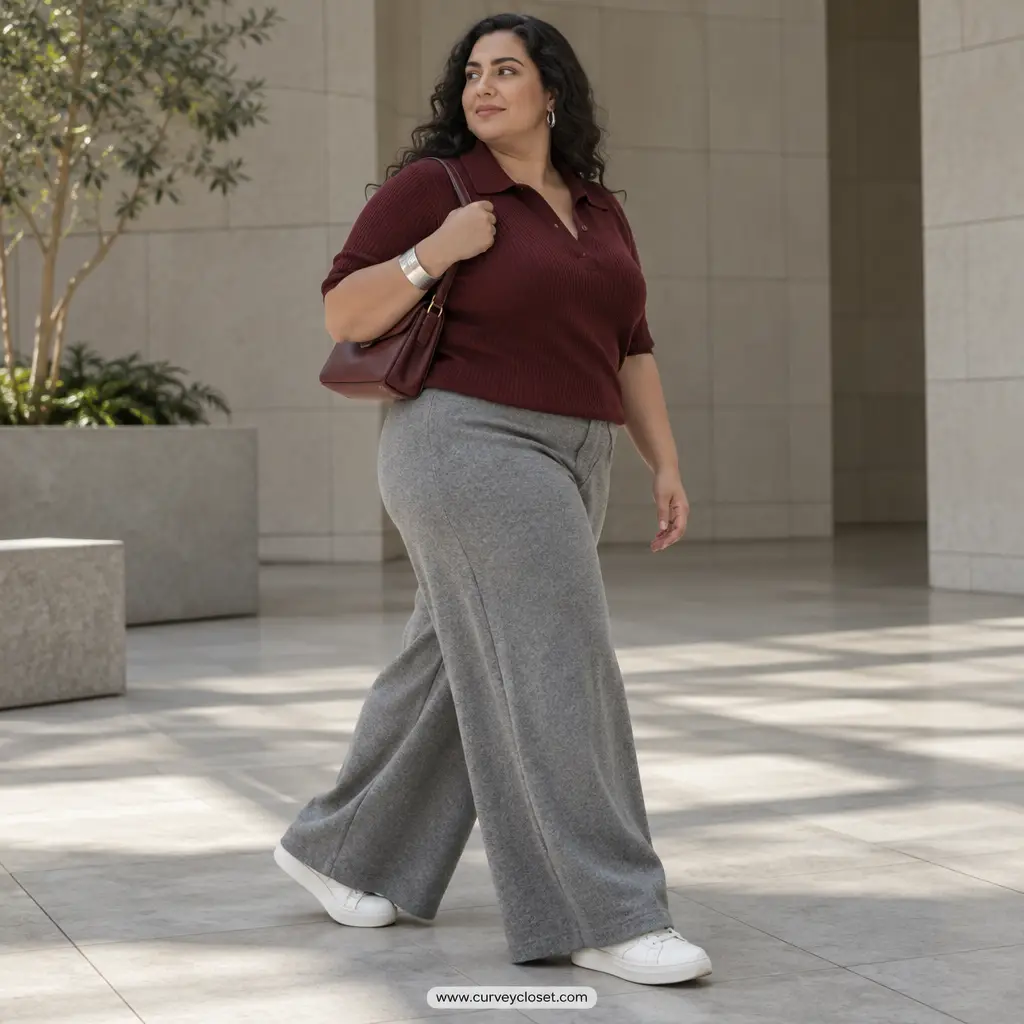
Do: Assess the hem while wearing your intended shoes, and walk to see how the knit swings and settles. Don't: Pin a stretchy hem while pulling the fabric taut or assume every knit can take the same alteration. Heavy knits can grow with hanging, while lightweight hems may ripple if sewn with unsuitable tension. Ask a stretch-fabric specialist about stitch choice and whether the trousers should rest before marking. Aim for the length you enjoy without fabric catching under your heel. Proportion is a styling choice, not a rule about your body.
How to wear it: Try full-length wide-leg knit trousers with low-profile trainers, keeping the back hem clear of the floor.
7.Care for the Knit Without Adding Stress
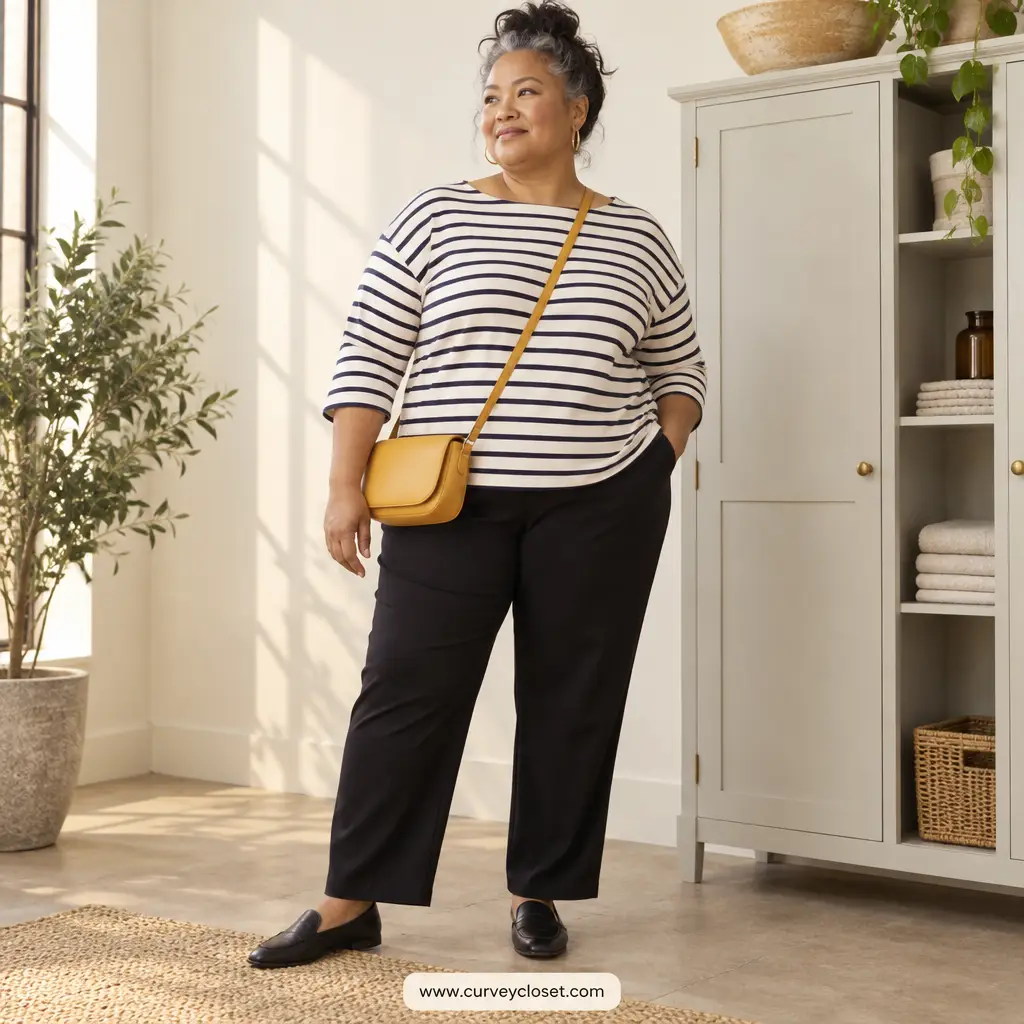
Do: Follow the care label, wash with compatible items and reshape gently before drying as directed. Don't: Automatically tumble-dry, hang a heavy wet knit by its waistband or shave pills while wearing the trousers. Heat and handling can affect stretch fibres and garment shape, so use the specified settings rather than a universal knitwear recipe. For bobbles, test a suitable fabric comb or shaver on an inconspicuous area first, with the trousers removed and supported on a flat surface. Work lightly around seams, where aggressive removal can snag or cut the fabric.
How to wear it: Build an easy repeat outfit with black knit trousers, a striped cotton top and leather slip-ons, airing pieces between wears when appropriate.
The takeaway
Start with how the fabric feels, then check how it stretches, settles and holds together. A comfortable waistband, resilient knit and well-finished seams are more useful than any single fibre claim. Keep the care label in mind, and choose the pair you can comfortably sit, move and live in.
Get outfit ideas from your own closet
Curvy Closet picks a daily outfit from the clothes you already own.
Learn moreShare counts include shares made with the buttons on this page. Images are AI-generated illustrations.