7 Paired Blazer Tailoring Tips: Comfort Do’s & Don’ts
22 October 2026 · 4 min read · 7 ideas
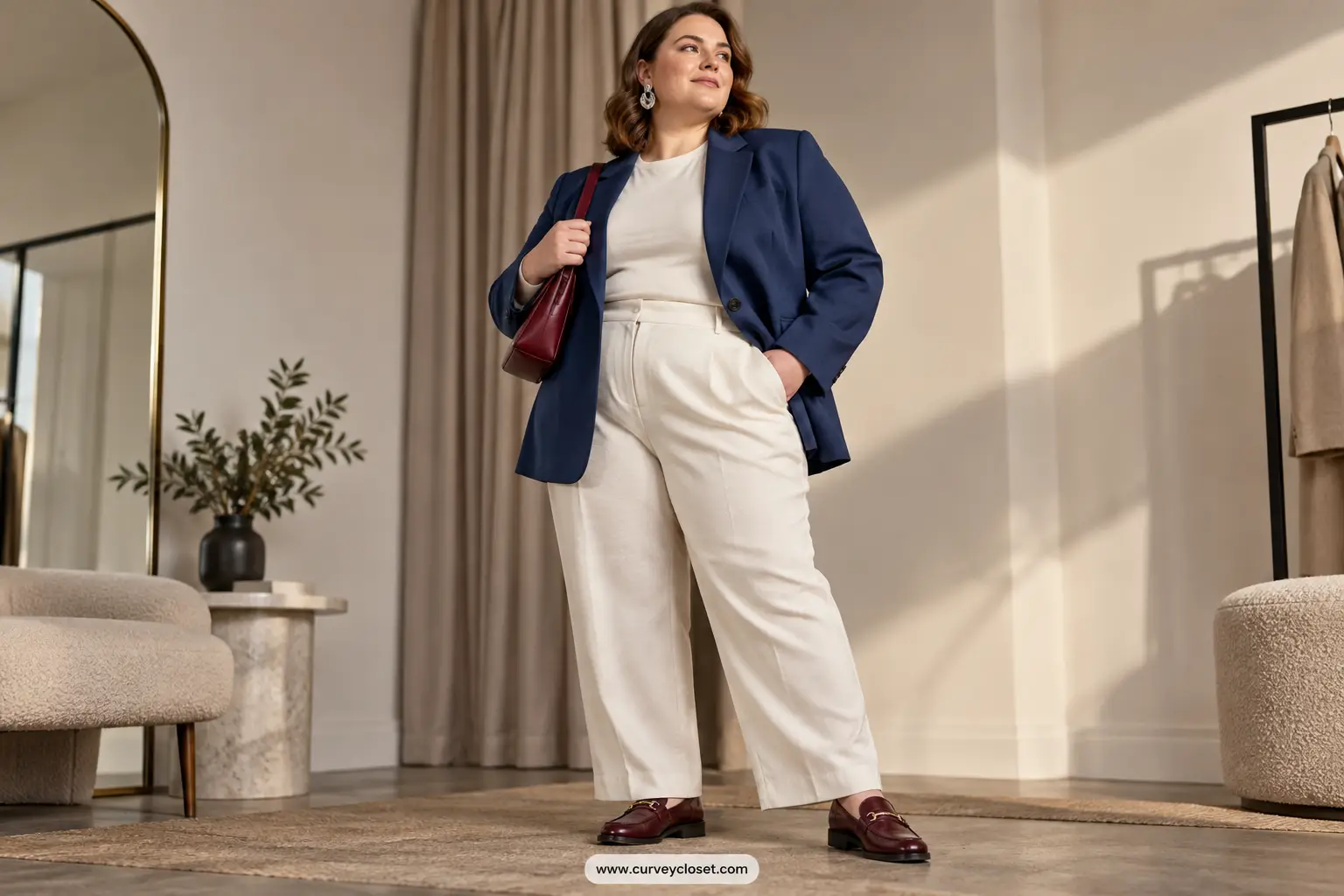
A blazer should let you reach, sit and get on with your day. These tailoring tips focus on shoulder, sleeve and upper-arm comfort for plus-size wardrobes—not changing your body to suit a jacket.
Each paired do and don’t helps you spot what needs adjusting, what to ask a tailor and when a different starting fit could save you an expensive alteration.
1.Start With Shoulder Tailoring Tips
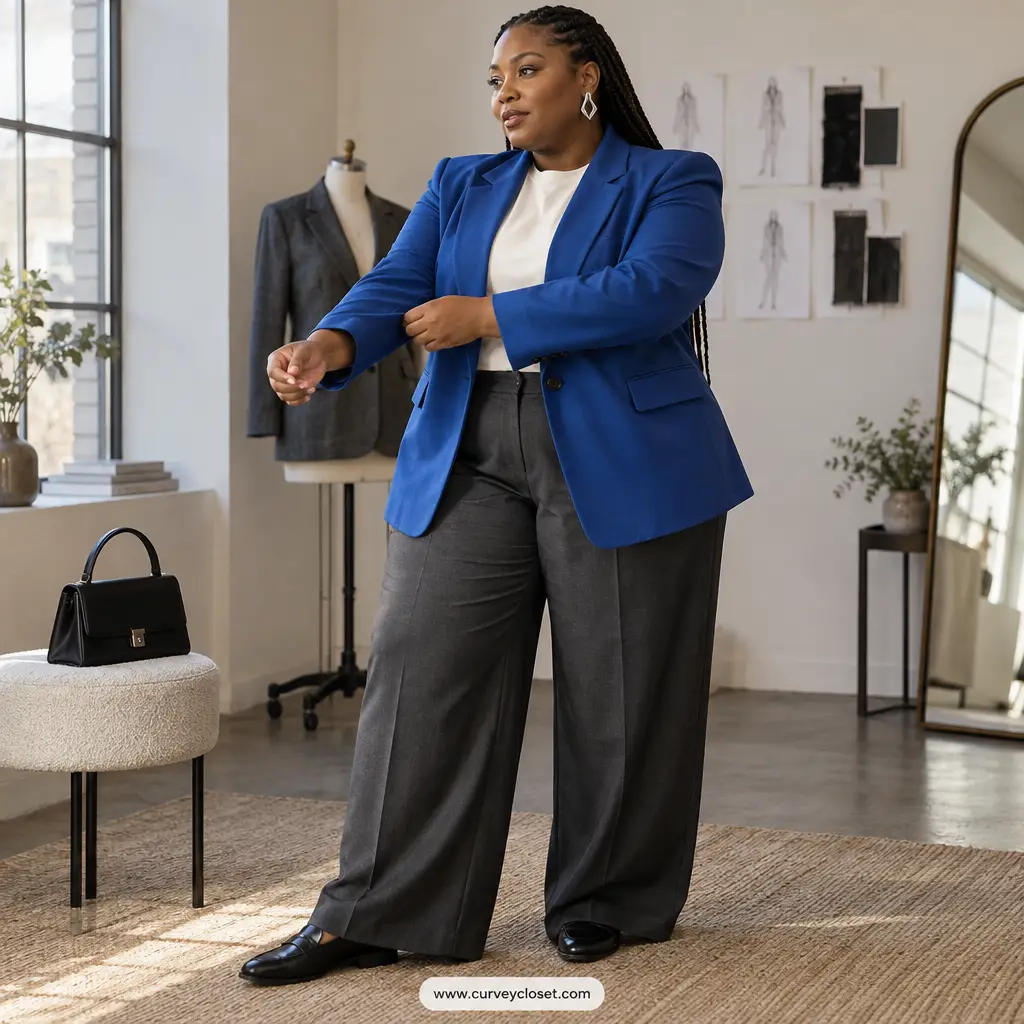
Do: Check shoulder placement against the blazer’s intended cut, then reach forward to test comfort. Don't: Assume every shoulder seam must sit at the same point, or buy tight shoulders expecting an easy fix. A classic set-in sleeve usually meets near your shoulder edge; a dropped-shoulder design sits farther out by intention. Look for comfortable movement rather than one universal seam position. Persistent pulling across the upper back or a sleeve that twists deserves a tailor’s assessment. Shoulder reconstruction can be complex, so compare another size or cut before committing.
How to wear it: Wear your usual work top underneath and reach forward as if holding a steering wheel before deciding on shoulder fit.
2.Use Upper-Arm Tailoring Tips That Allow Movement
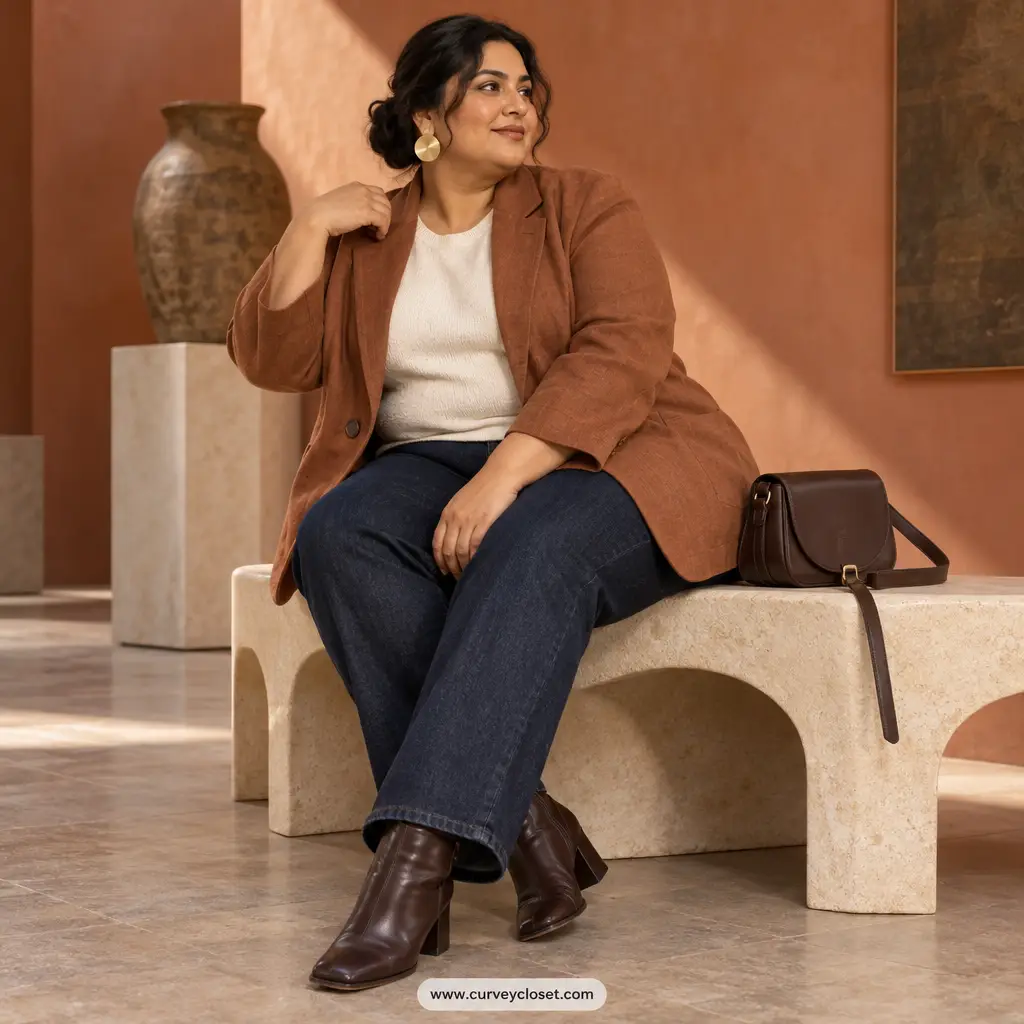
Do: Ask for enough sleeve circumference to bend your elbow and move your upper arm comfortably. Don't: Approve a narrowed sleeve solely because it looks smooth while your arms hang still. Upper-arm ease is the space between you and the sleeve, and the amount needed depends on the fabric and cut. Try crossing your arms and lifting a hand toward your opposite shoulder. If the sleeve grips, ask whether usable seam allowance exists; letting out is not always possible. A roomier starting sleeve may be the more practical option.
How to wear it: Test the blazer over your thickest intended base layer with your elbows bent before approving sleeve alterations.
3.Check Armhole Shape Before Altering

Do: Notice how the armhole feels and how much the jacket lifts when you raise your arms. Don't: Ask for a deeper armhole automatically whenever the underarm feels restrictive. An armhole that sits too low can drag the jacket upward with your arm; one that is too tight can press or rub. Sleeve shape, upper-back width and armhole position work together, so the sensation alone does not identify the fix. Ask a tailor to assess the whole area. Some changes require more fabric than the existing jacket provides.
How to wear it: Raise each hand to a comfortable shelf height and check for underarm pressure and excessive jacket lift.
4.Balance Sleeve Length With Elbow Comfort

Do: Pin the sleeve length while wearing the blazer normally, then bend your elbow before confirming it. Don't: Shorten from the cuff without checking vents, buttons and how much the sleeve travels during movement. Your preferred endpoint might be near the wrist bone or deliberately cropped; neither needs to follow a rigid rule. Working buttonholes can limit straightforward cuff alterations, while shortening at the shoulder is more involved. Ask which method preserves the original details. Check both arms, since you may prefer slightly different adjustments on each side.
How to wear it: Bring your everyday watch to the fitting and check that the finished cuff feels comfortable beside it.
5.Choose Lining That Moves With the Sleeve
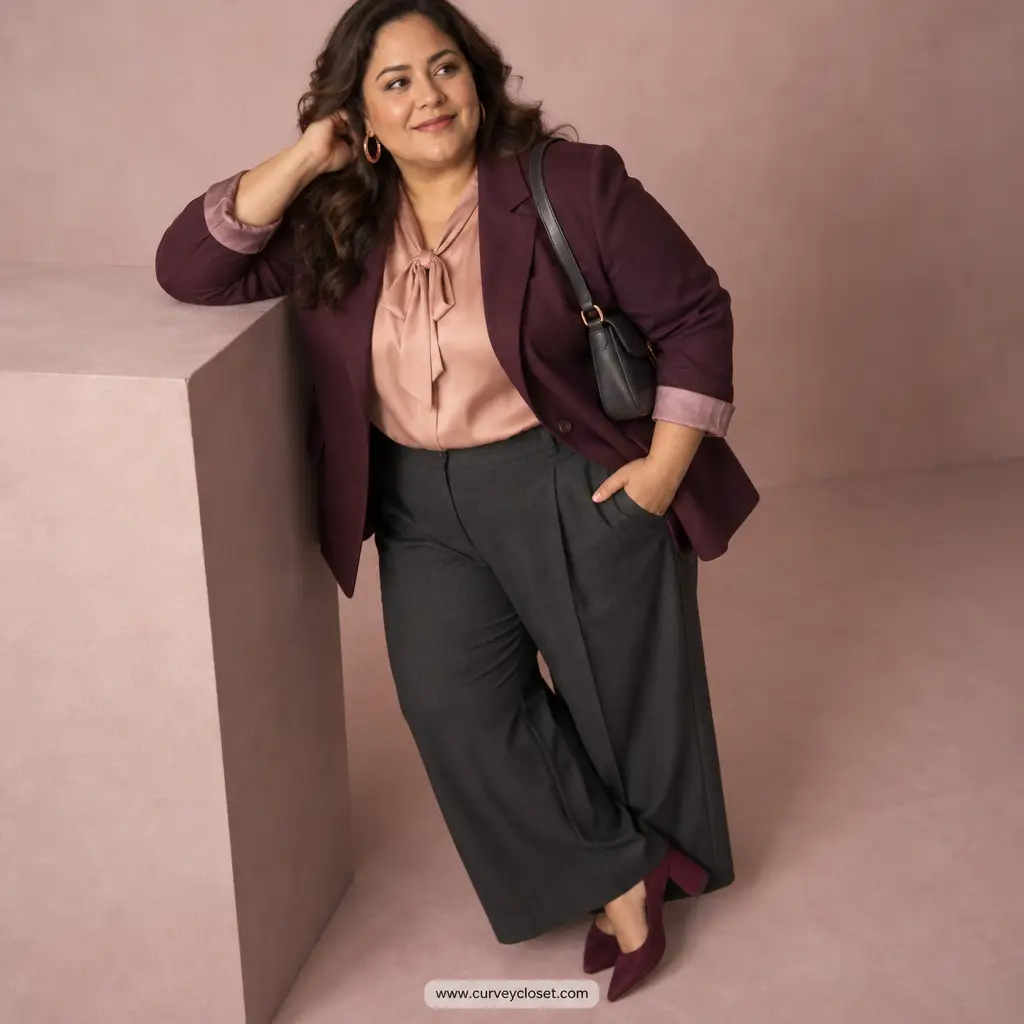
Do: Assess the lining and outer fabric together, especially where your upper arms and elbows bend. Don't: Assume a stretchy shell guarantees comfort if its lining feels tight, rough or restrictive. A sleeve can have enough outer-fabric room yet still catch because its lining is narrow, twisted or poorly attached. Try the blazer over your usual top rather than relying on a bare-arm test. Ask a tailor to inspect any local pulling before changing the sleeve itself. Lining repairs or replacement may help, depending on the jacket’s construction and condition.
How to wear it: Try several gentle elbow bends over your usual blouse to check whether the lining glides or catches.
6.Fit the Blazer Over Real-Life Layers

Do: Bring the layers you actually plan to wear and ask the tailor to preserve comfortable upper-back and sleeve room. Don't: Fit the blazer over a thin camisole if you usually wear a shirt or knit underneath. Extra fabric at the shoulder and upper arm changes how a jacket feels, even when the front closes easily. Test sitting, reaching and buttoning with your intended outfit. If you want one blazer for several seasons, discuss the thickest realistic layer first rather than removing all visible ease during pinning.
How to wear it: Take both your everyday shirt and your preferred lightweight jumper so you can compare comfort at the fitting.
7.Recheck Comfort Before the Final Stitch
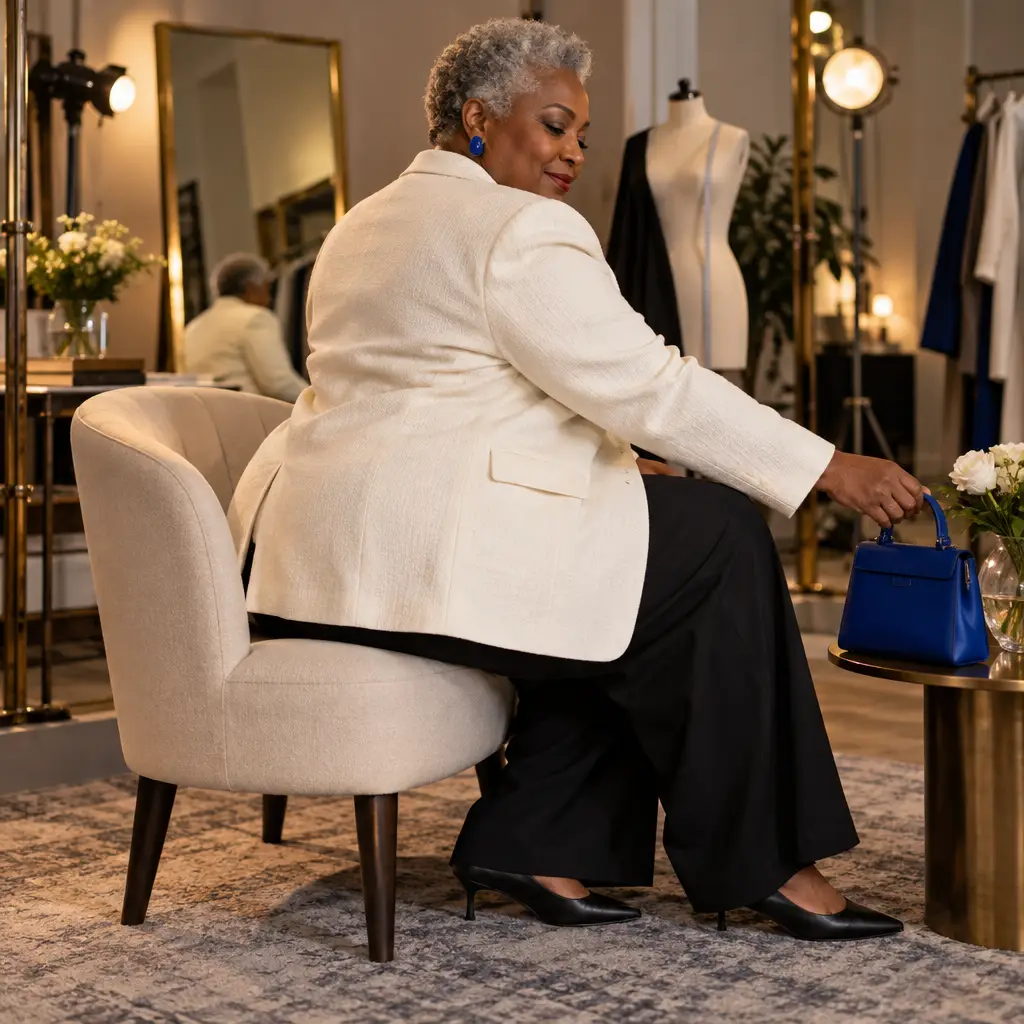
Do: Request a movement check at the pinned or basted fitting and agree on the alteration plan before final stitching. Don't: Judge the result only from a still front-view mirror check or assume pressing will resolve persistent pulling. With the tailor’s guidance, gently test your usual movements without catching pins. Look at the side and back as well as the front, and mention pressure even if the jacket appears neat. Afterwards, follow the care label and use a supportive hanger; good care helps maintain the shoulder and sleeve shape you chose.
How to wear it: Before leaving the final fitting, sit down, button the blazer if intended and gently reach for your bag.
The takeaway
Start with comfortable shoulders and upper arms, then fine-tune sleeve shape, length and layering room. Bring your usual outfit to the fitting, ask what the construction allows and test every pinned adjustment in motion. The goal is a blazer that works with you.
Get outfit ideas from your own closet
Curvy Closet picks a daily outfit from the clothes you already own.
Learn moreShare counts include shares made with the buttons on this page. Images are AI-generated illustrations.