7 Paired Fabric Guide Do’s & Don’ts for Plus-Size Velvet
23 October 2026 · 4 min read · 7 ideas
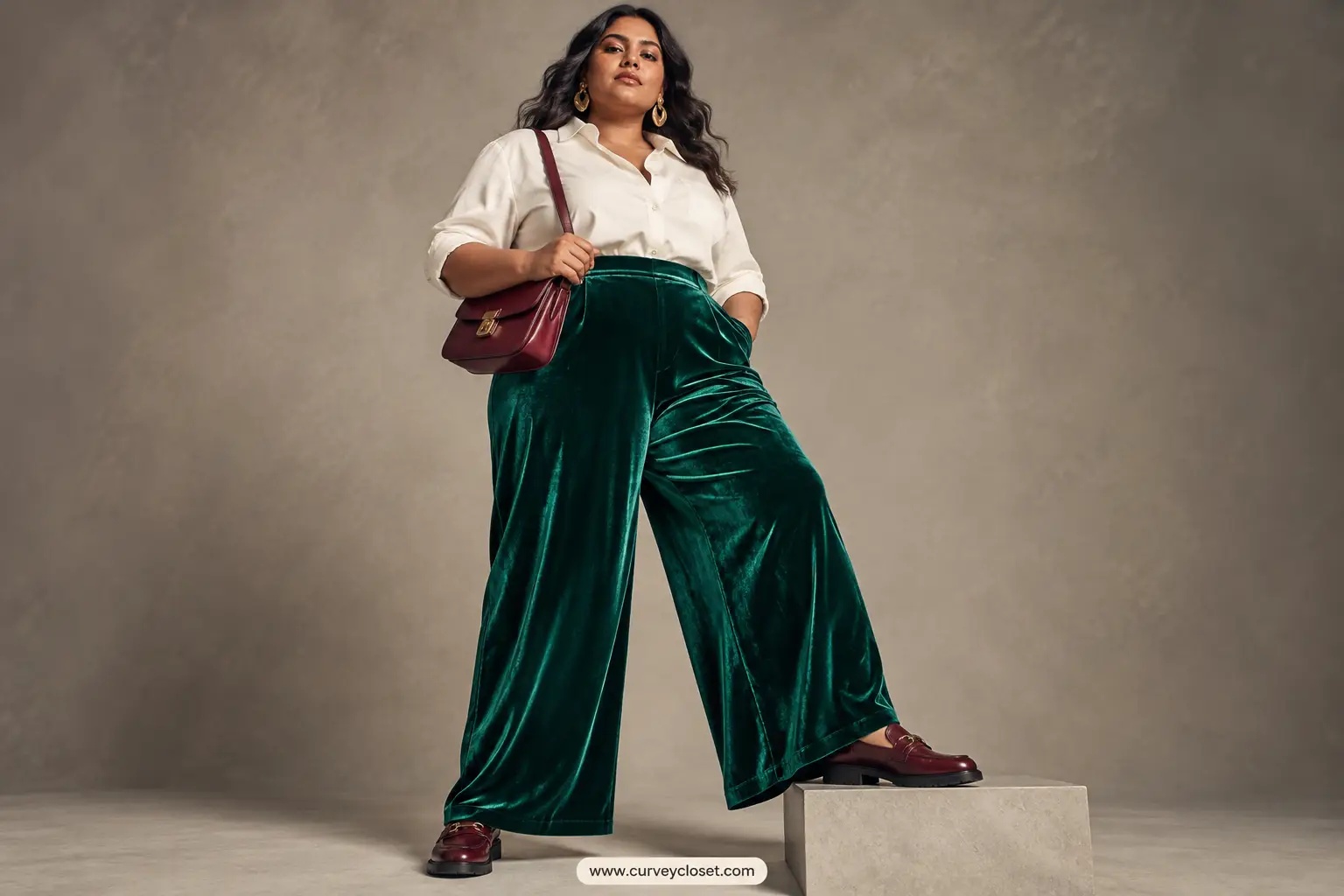
Velvet separates bring rich colour and touchable texture to everyday outfits—but stretch, lining and construction make a real difference to how they feel. This fabric guide helps you choose pieces that work with your body and your day.
These seven paired do’s and don’ts cover practical checks for plus-size velvet trousers, skirts, tops and jackets. Think comfortable movement, intentional texture combinations and care that respects the pile—not rules about which bodies can wear velvet.
1.Fabric guide: Do test stretch; don’t trust the label alone
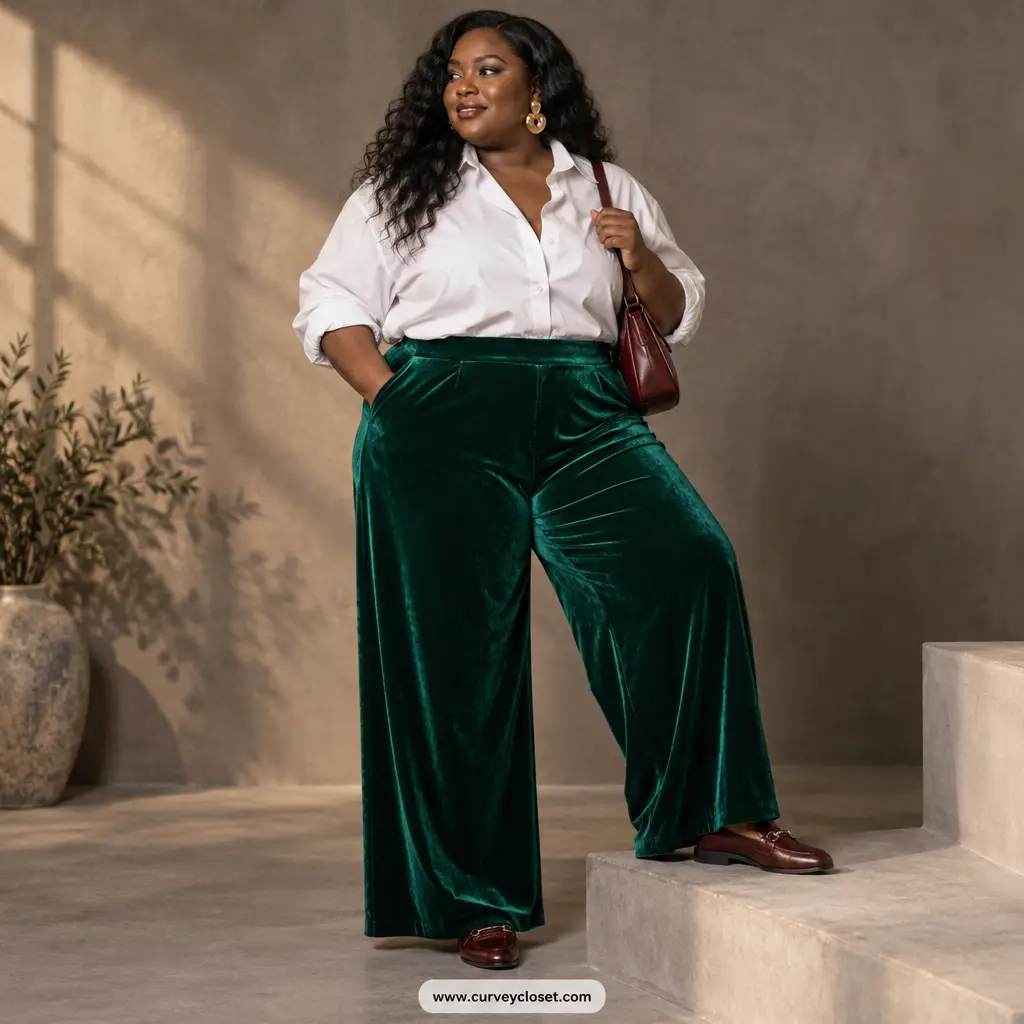
Do: Gently test stretch across the hips and knees, then check whether the fabric springs back without staying rippled. Don't: Assume every velvet containing elastane offers the same movement, or size down simply because it stretches. Stretch velvet can have a knitted or woven base, and each behaves differently. Try trousers while sitting, taking a long step and bending your knees. Look for a waistband that stays comfortable and seams that do not pull. Pair the soft surface with a crisp cotton shirt for an easy texture contrast.
How to wear it: Wear stretch-velvet wide-leg trousers with a relaxed poplin shirt and loafers, checking waistband comfort while seated before heading out.
2.Fabric guide: Do check lining; don’t let it restrict movement
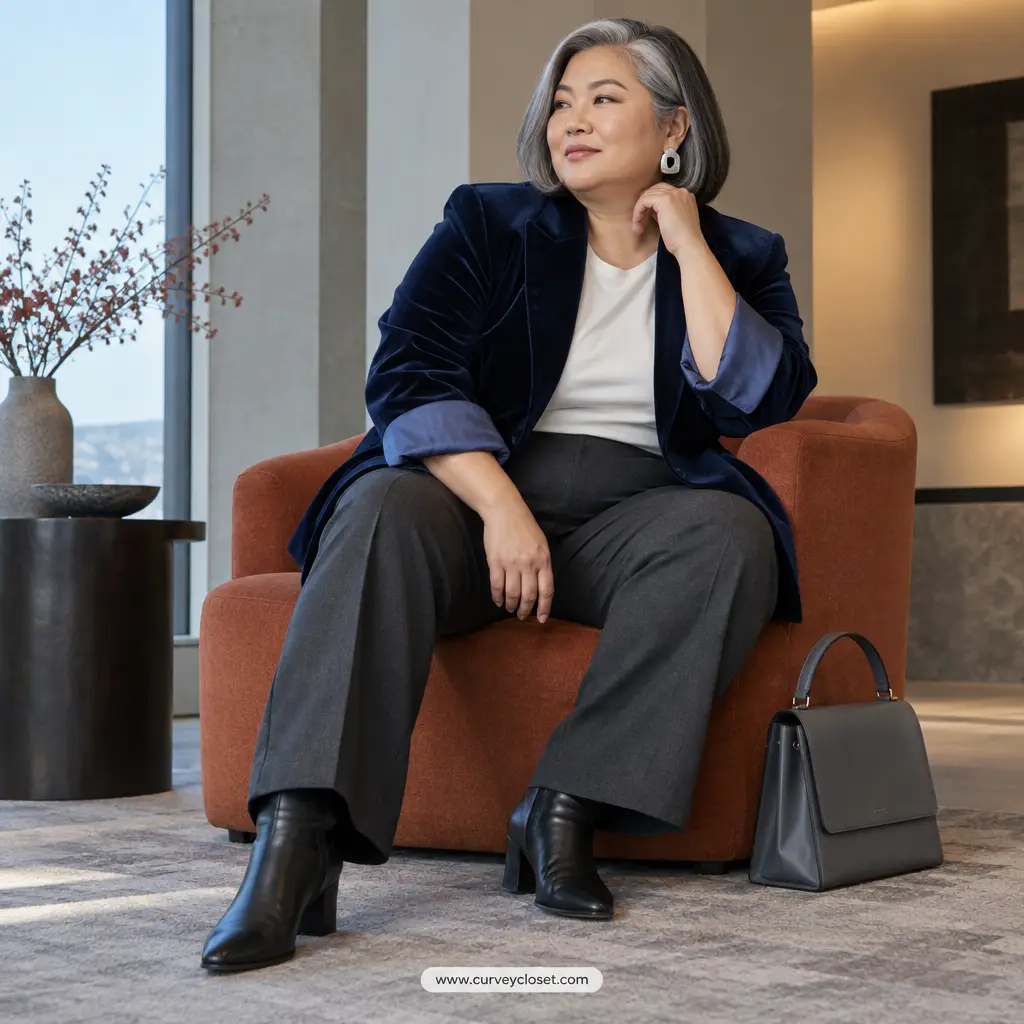
Do: Check that the lining feels smooth and allows the same sitting and reaching movements as the outer fabric. Don't: Accept a stretchy velvet shell with a tight, rigid lining that stops you moving comfortably. Turn the garment inside out and inspect underarms, hips and sleeve openings for pulling or rough seams. A lining does not automatically make velvet breathable, so wear the piece indoors for a few minutes if possible. For a blazer, try it over your intended top and reach forward as though holding a steering wheel.
How to wear it: Try a lined velvet blazer over a fine cotton tee, then reach forward and sit down with the blazer fastened.
3.Do compare pile direction; don’t judge colour in one light
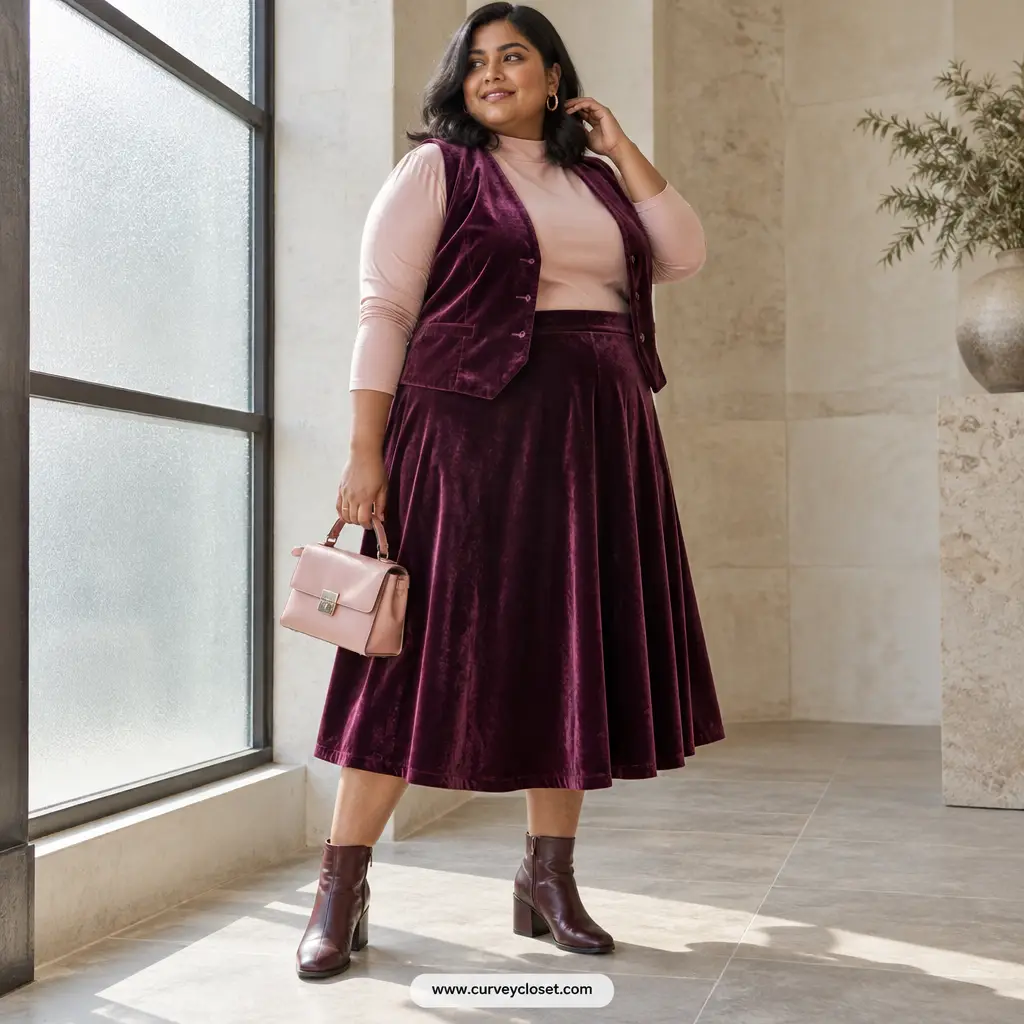
Do: Brush the pile gently with your hand and view matching separates together in daylight and indoor light. Don't: Assume differently shaded panels are simply different dye colours before checking how the nap catches light. Velvet can look lighter or darker depending on pile direction. If you want a uniform finish, inspect each panel from the same angle; intentional contrasts are valid too. When sewing or altering, keep the chosen nap direction consistent across corresponding pieces. Buying a coordinated set? Compare the actual garments rather than relying only on separate product photographs.
How to wear it: Check velvet separates side by side in window light, then add a matte top so their changing sheen remains the focal point.
4.Do fit for sitting; don’t rely on a standing-only check
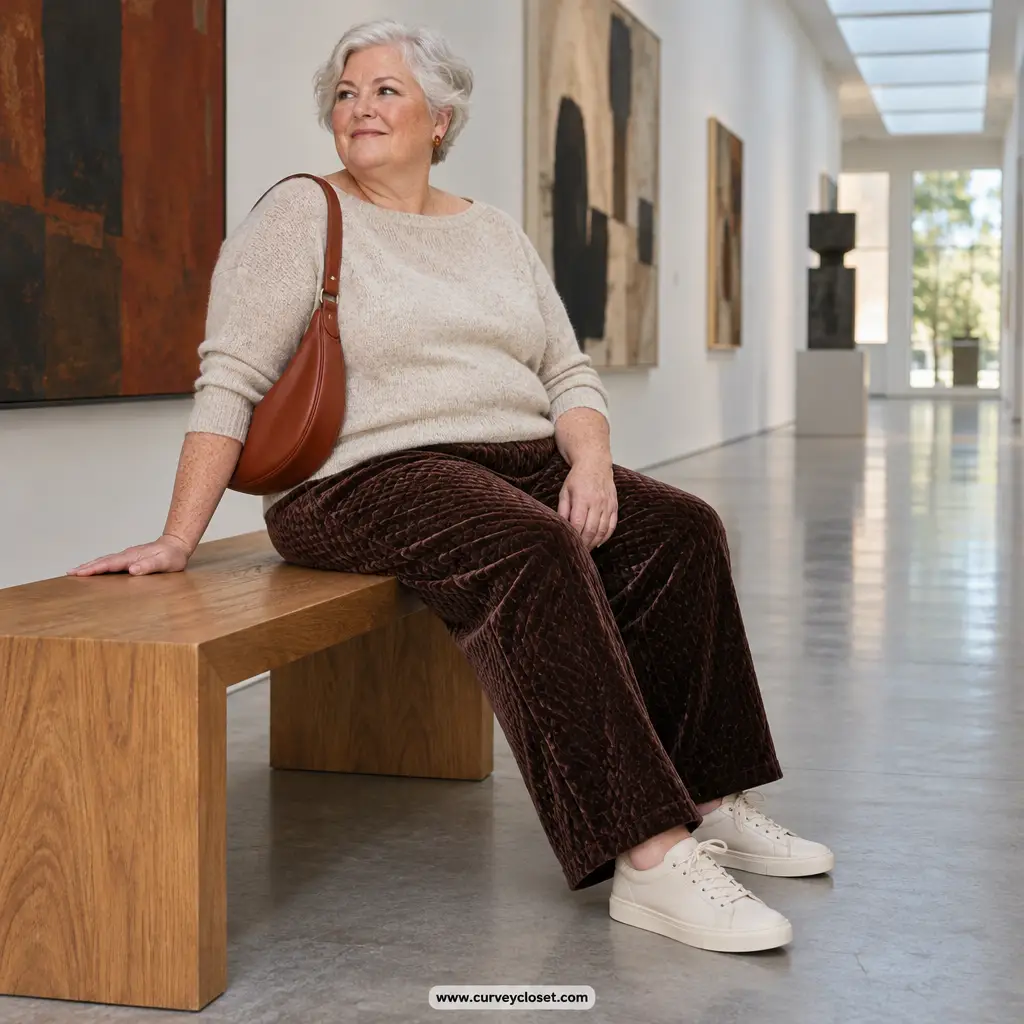
Do: Sit, walk and bend in velvet separates, checking the rise, waistband, armholes and any fastening under gentle movement. Don't: Treat persistent pulling, a rolling waistband or a restrictive crotch seam as something you must tolerate. A comfortable standing fit can change once you sit down, especially in woven velvet without stretch. Try another size or cut, and consider tailoring where useful. For trousers, enough room through the seat and thighs supports movement without dictating a particular silhouette. Slim, straight and wide legs all deserve the same comfort checks.
How to wear it: Style straight-leg velvet trousers with a soft merino top, choosing the rise that feels comfortable both standing and seated.
5.Do pair textures thoughtfully; don’t ignore friction
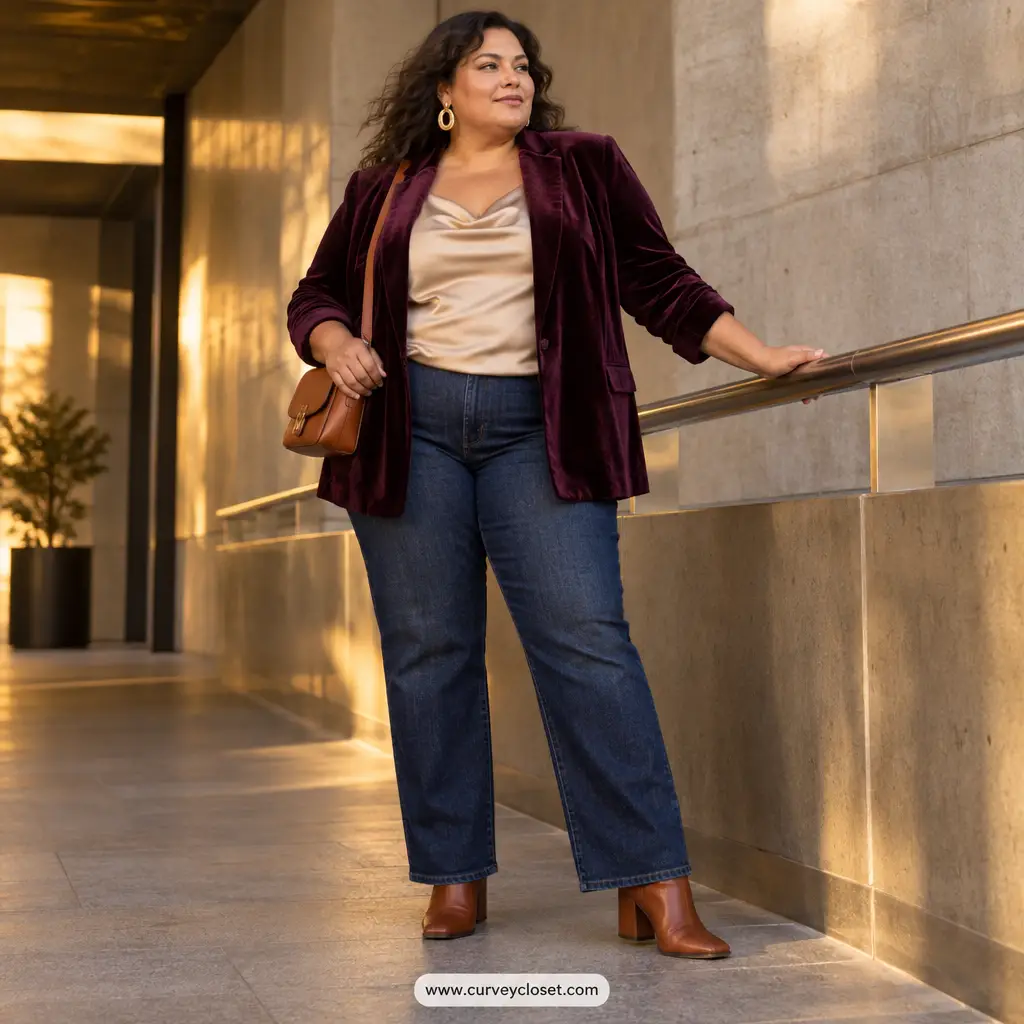
Do: Test how the fabric worn underneath or alongside velvet moves against its pile. Don't: Assume two lovely textures will slide comfortably together, especially beneath a close-fitting jacket or waistband. Coarse knits and heavily textured layers can catch against some velvet surfaces, making sleeves ride up or hems bunch. Smooth cotton jersey, fine-gauge knits and opaque satin often move more easily, but test your actual combination. Texture contrast can be subtle or bold: a velvet jacket over a smooth top feels considered without requiring every piece to have the same finish.
How to wear it: Layer a velvet jacket over a smooth, opaque satin blouse and move your arms to check that the sleeves do not bunch.
6.Do support the drape; don’t force bulky seams
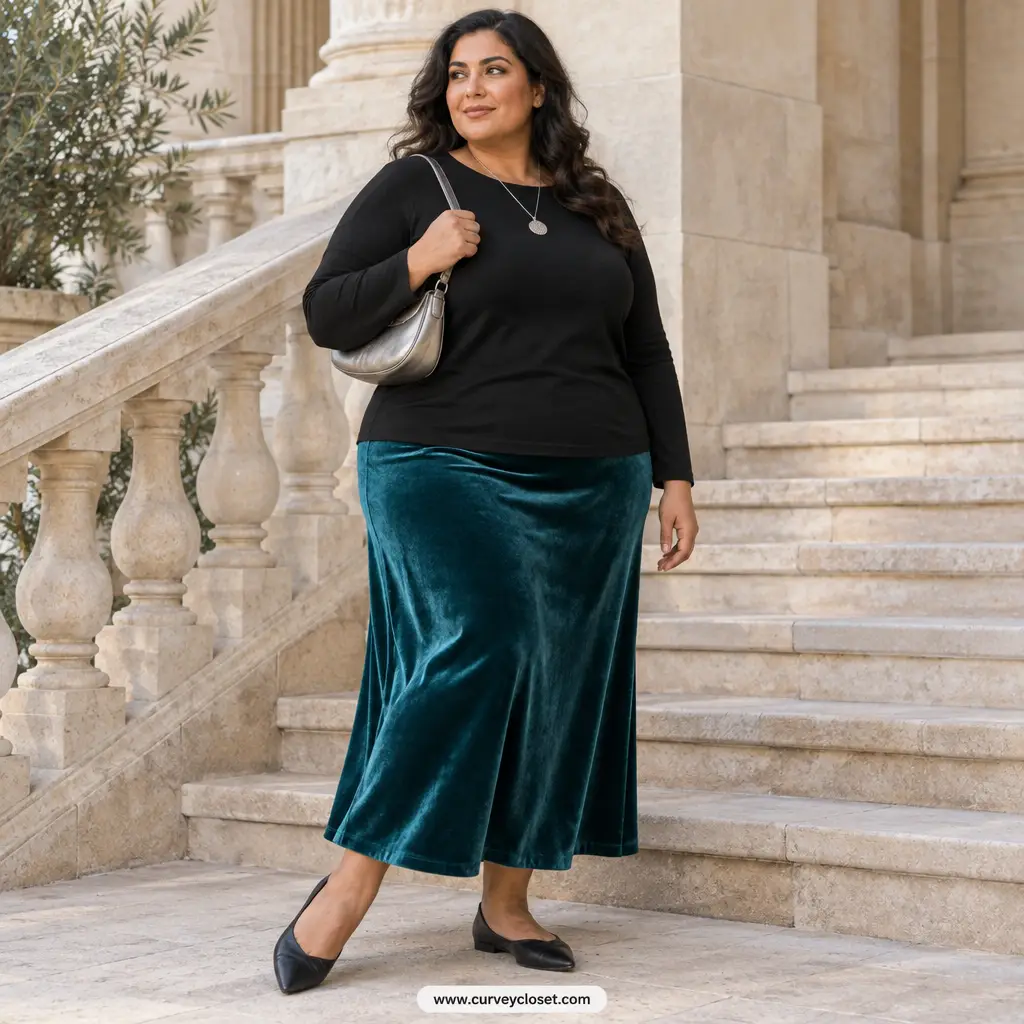
Do: Choose seam finishes, hems and underlayers that let your velvet separate hang comfortably. Don't: Force several thick layers into a waistband or accept stiff seam allowances that make the garment twist. Velvet already has surface depth, so bulky construction can interrupt its drape. Inspect side seams and hems while standing naturally, and check that pockets lie comfortably with your usual essentials inside. A lightweight opaque base layer may feel easier than a chunky tucked knit. If a hem needs changing, ask a tailor familiar with velvet to assess it before cutting.
How to wear it: Pair a velvet midi skirt with a lightweight jersey top, leaving it untucked or using a small tuck only if the waistband stays comfortable.
7.Do follow velvet care instructions; don’t crush the pile
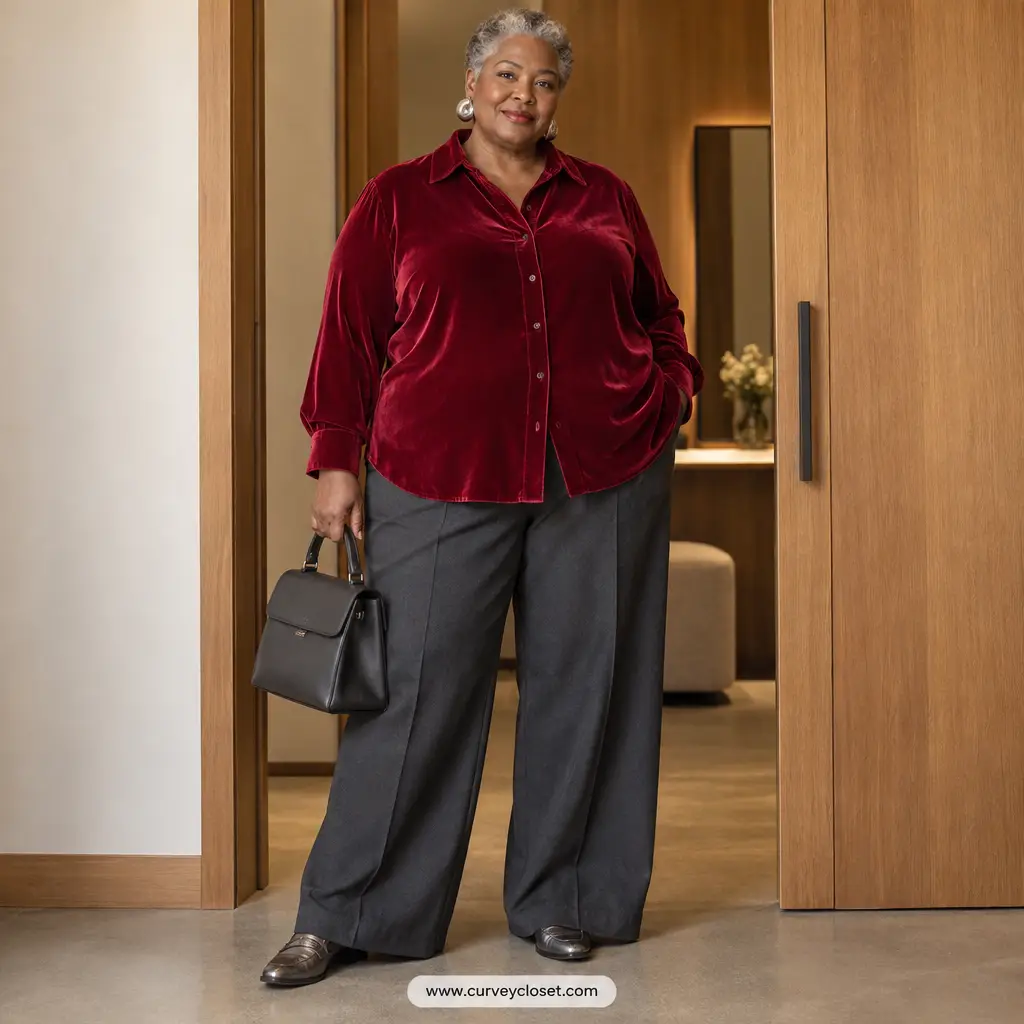
Do: Follow the care label and give velvet room in storage so its pile is not compressed against other clothes. Don't: Press a hot iron directly onto the face of velvet or assume every velvet separate can be washed. Fibre content, backing and construction affect care, including whether steaming is suitable. If permitted, test gentle steaming on an inconspicuous area without pressing the steamer head into the fabric. Let the garment dry completely before wearing or storing. Use supportive hangers where appropriate, and avoid tight clips directly on visible velvet surfaces.
How to wear it: After wearing a velvet shirt with tailored trousers, let it air fully before storing it on a supportive hanger with breathing room.
The takeaway
The best velvet separate gives you the texture you love and the movement you need. Check stretch and lining together, examine the pile in changing light, and test the fit while sitting and reaching. Then pair it with fabrics that feel good against your skin and let your personal style lead.
Get outfit ideas from your own closet
Curvy Closet picks a daily outfit from the clothes you already own.
Learn moreShare counts include shares made with the buttons on this page. Images are AI-generated illustrations.