7 Plus-Size Tights Do’s & Don’ts: Your fabric guide
24 October 2026 · 4 min read · 7 ideas
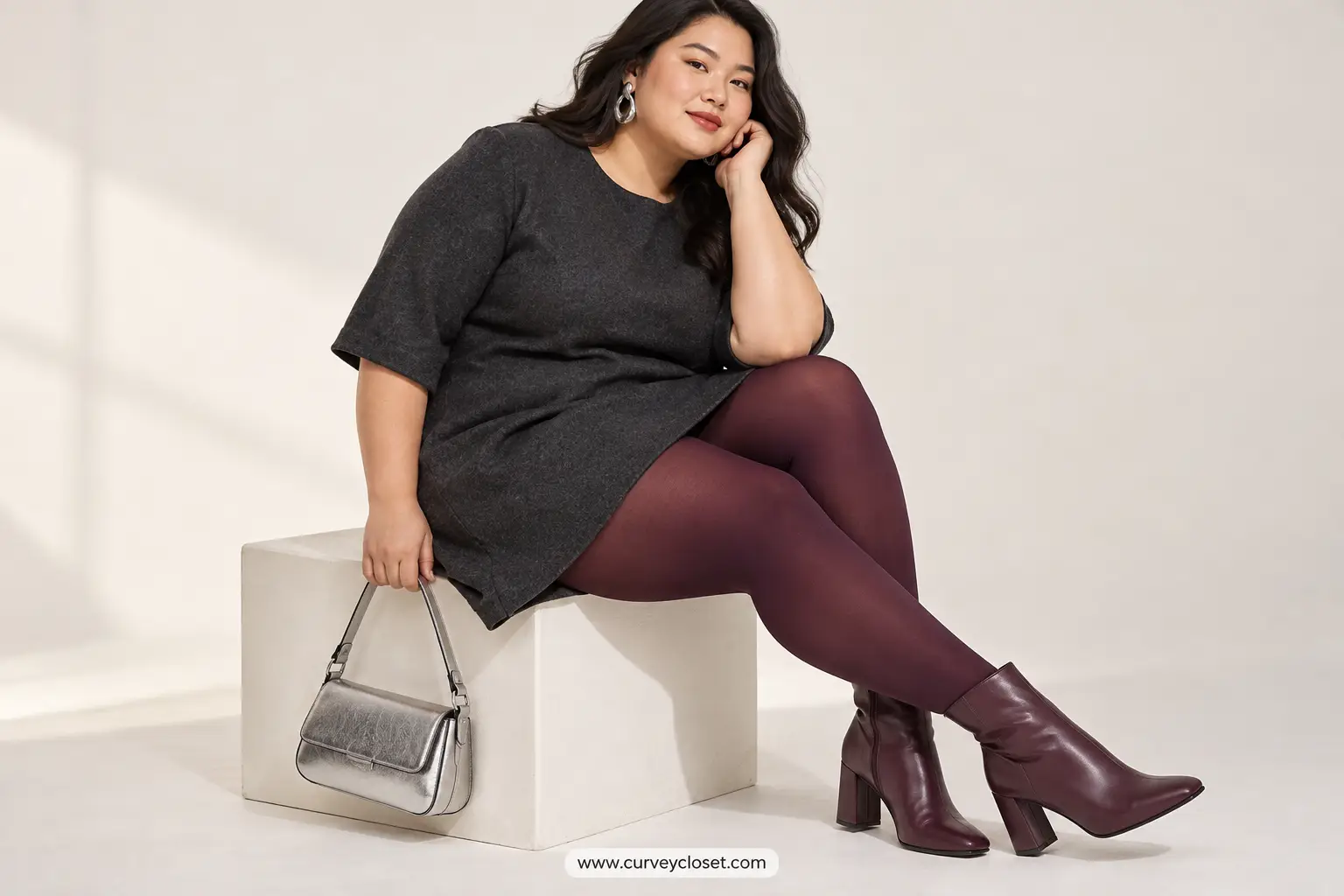
Great tights should support your outfit—not demand constant adjusting. This fabric guide pairs seven practical do’s and don’ts for plus-size tights, covering waistbands, gussets, stretch and everyday styling.
Your comfort is the benchmark. Whether you wear UK 14–34 / US 12–32, start with the individual product’s size chart, then check how your tights feel when you sit, walk and move.
1.Start your fabric guide with the size chart
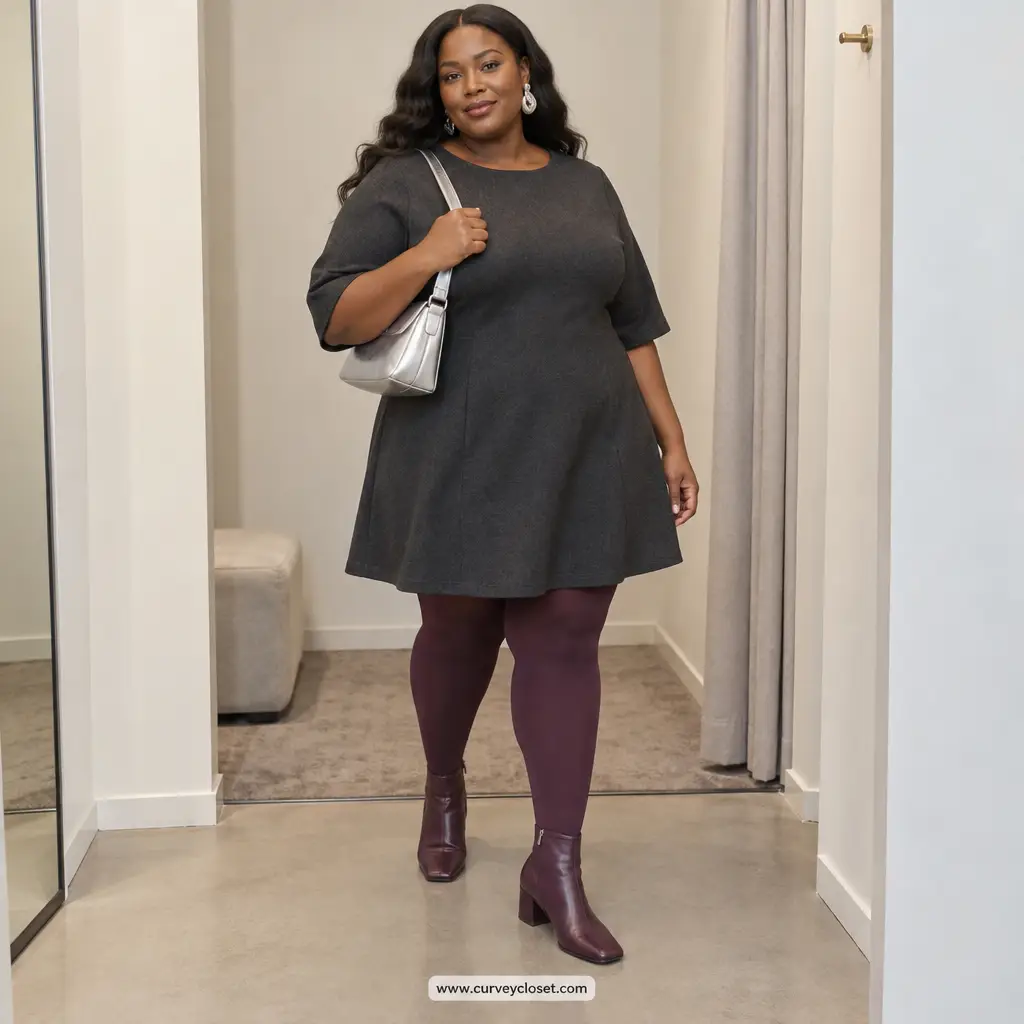
Do: Compare your current measurements and height with the chart for that exact pair of tights. Don't: Assume your usual clothing size translates directly, or choose a smaller size for extra hold. Tights need enough length as well as width to reach comfortably from toes to waist. If you fall between chart ranges, follow the maker’s guidance rather than guessing. After trying them on, sit down and take several steps: pulling at the toes, waistband or crotch signals that the fit needs another look.
How to wear it: Try new tights with your intended dress and shoes at home before committing to a full day out.
2.Choose waistband comfort over a tighter grip

Do: Look for a soft, stretchy waistband that rests securely at a comfortable height, and test it while seated. Don't: Fold a digging waistband into a narrower band or assume rolling always means you need a smaller size. Rolling can reflect insufficient rise, a stretched band or a cut that does not suit your proportions. A wider band may distribute pressure more comfortably, but construction matters more than width alone. Try a different rise or waistband finish if you feel pinching or repeatedly need to adjust.
How to wear it: Pair tights with a softly elasticated skirt, positioning both waistbands wherever they feel comfortable rather than stacking tight edges.
3.Give the gusset enough room to sit correctly
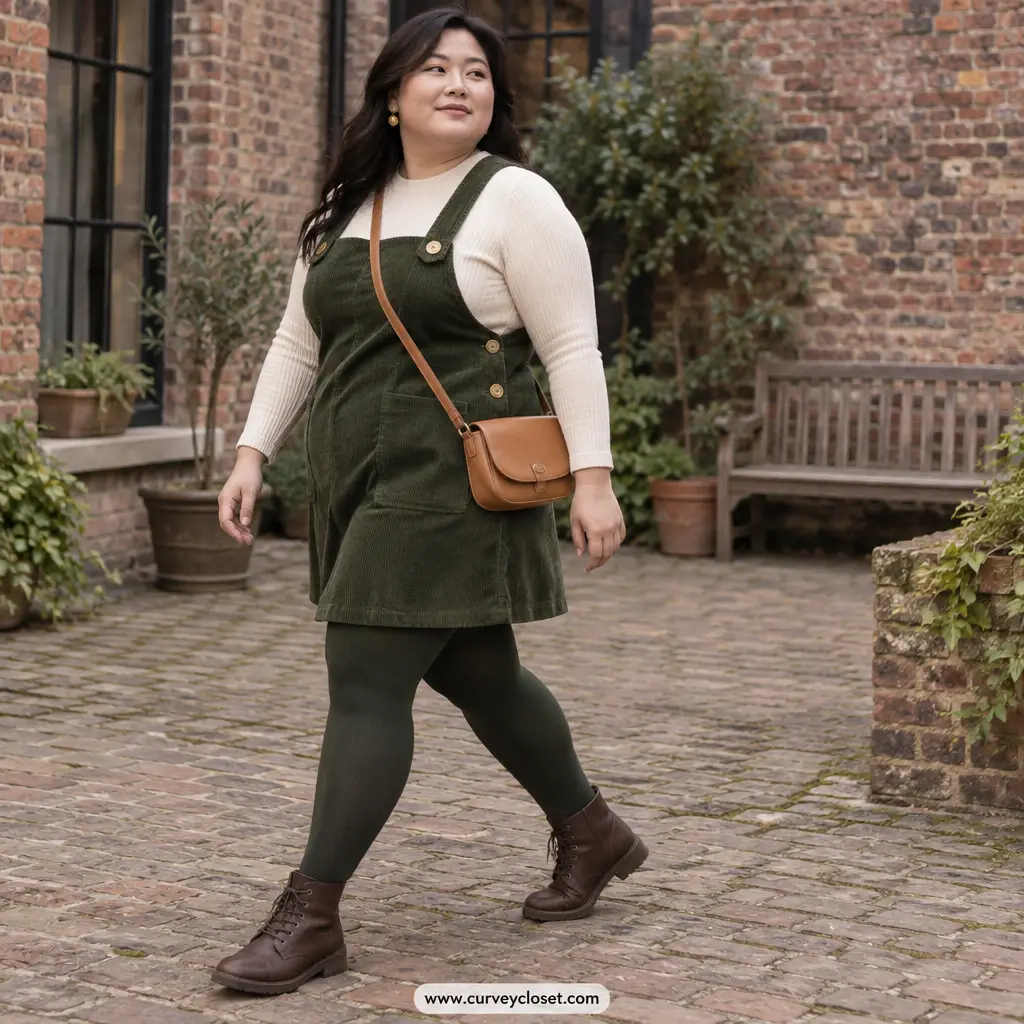
Do: Ease the fabric up each leg in small sections so the gusset sits comfortably against your body without pulling. Don't: Leave spare length bunched at the ankles, then yank the waistband to lift a low crotch. The gusset is the panel where the legs meet; its shape and seams should allow comfortable movement. If it still hangs low or presses after you redistribute the fabric, try another size, rise or gusset construction. A larger panel is not automatically better: placement and available length matter too.
How to wear it: Before adding shoes, check that the knees and ankles have even fabric distribution and take a few comfortable steps.
4.Read stretch and recovery in your fabric guide
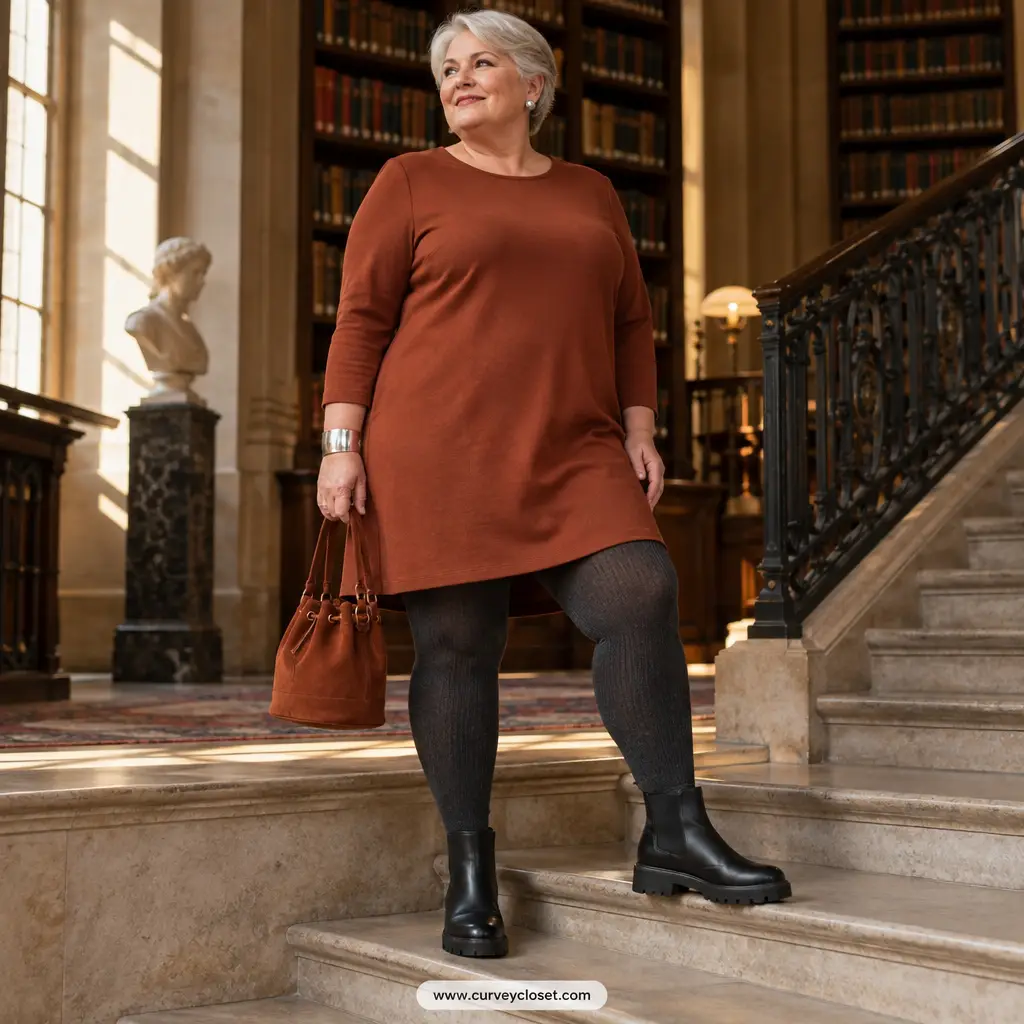
Do: Consider the fibre blend alongside how easily the knit stretches and returns to shape. Don't: Treat a higher elastane percentage as a guarantee of comfort, or expect denier to measure stretch. Elastane supports stretch and recovery, while the yarns and knitting construction also affect feel and fit. Denier describes yarn weight, not waistband flexibility. When trying tights on, bend your knees and sit for a few minutes. Fabric should move with you without persistent pulling; bagging or restriction can indicate that a different size or construction would work better.
How to wear it: For a day with plenty of sitting and walking, test your tights through both movements while wearing your planned shoes.
5.Match fabric texture to your comfort needs
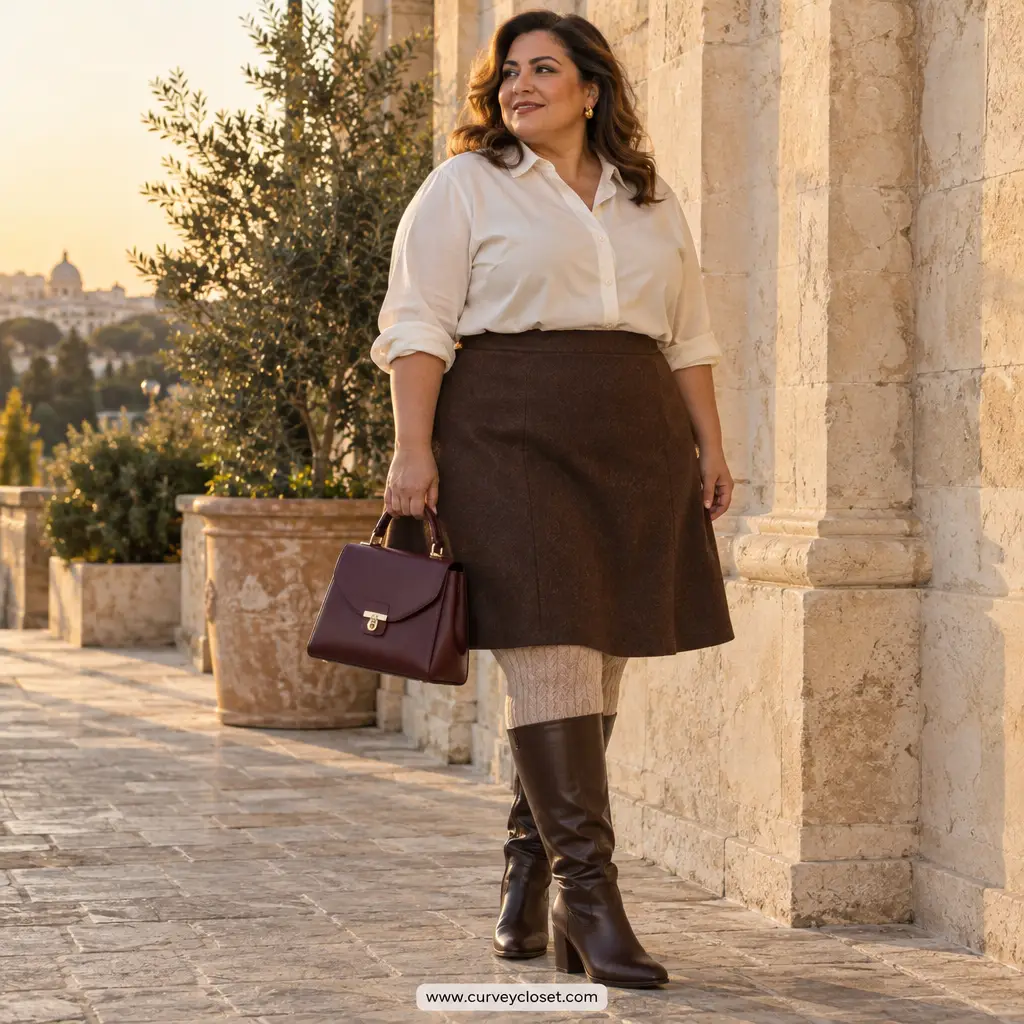
Do: Check the fibre content, inside texture and seams, especially if your skin is sensitive to rough finishes. Don't: Assume every wool blend is scratchy or every synthetic pair feels smooth; assess the actual fabric. Cotton-rich, wool-blend and synthetic tights can feel very different depending on yarn quality and construction. Choose warmth for the conditions you will actually spend time in, including heated rooms. If possible, feel a sample against your wrist, then check the return policy before trying hosiery on. Persistent itching is a reason to change the pair.
How to wear it: Wear smooth-lined skirts with textured tights when you want the fabrics to move past each other easily.
6.Let colour and pattern work with the outfit
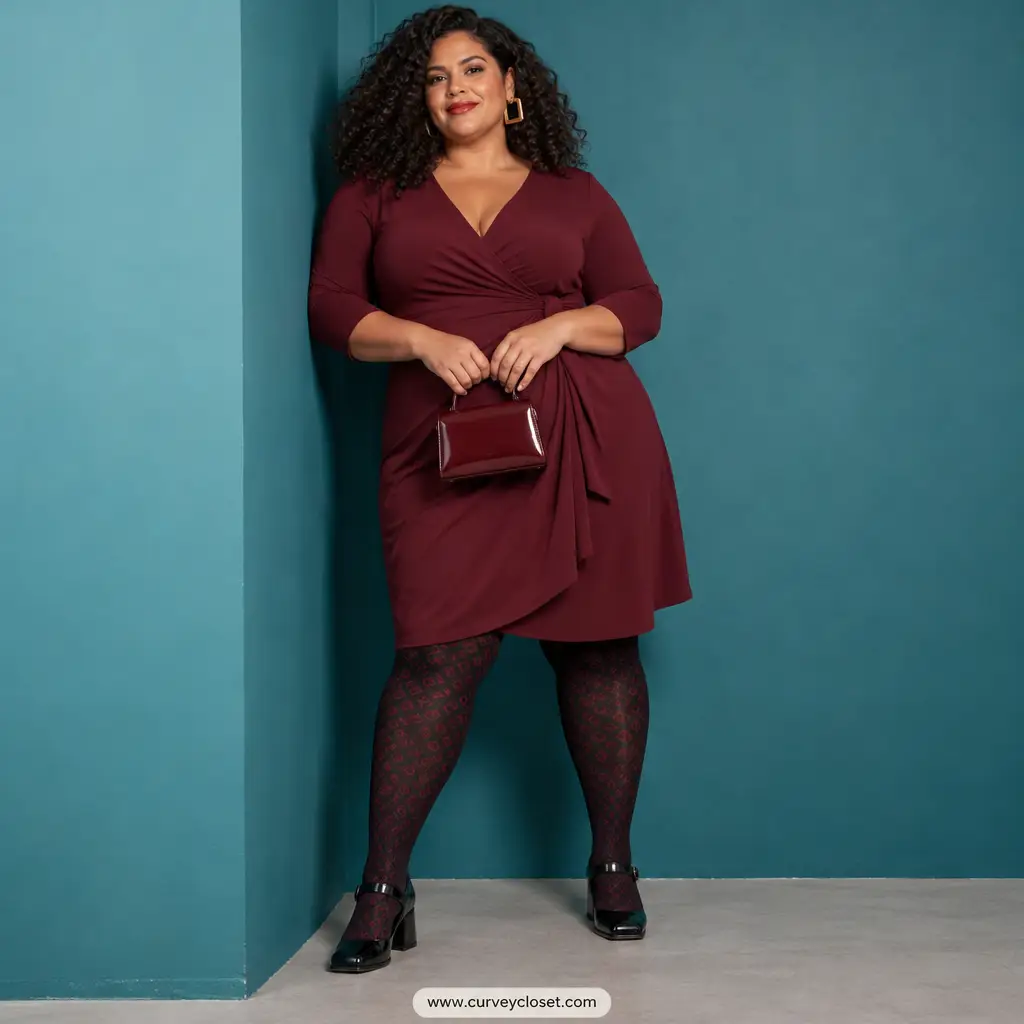
Do: Choose tights as an intentional part of your palette, whether you want a tonal pairing or a bold contrast. Don't: Size down to make a pattern look denser or keep wearing tights that restrict movement for the sake of an outfit. Patterns naturally open as knitted fabric stretches, and that is not a problem to correct on your body. If you want a particular opacity, assess the tights on your legs in daylight. Try a denser knit or another print scale when the result differs from what you intended.
How to wear it: Repeat one colour from patterned tights in your shoes or bag to give the outfit a clear connection.
7.Protect stretch with gentle washing and drying
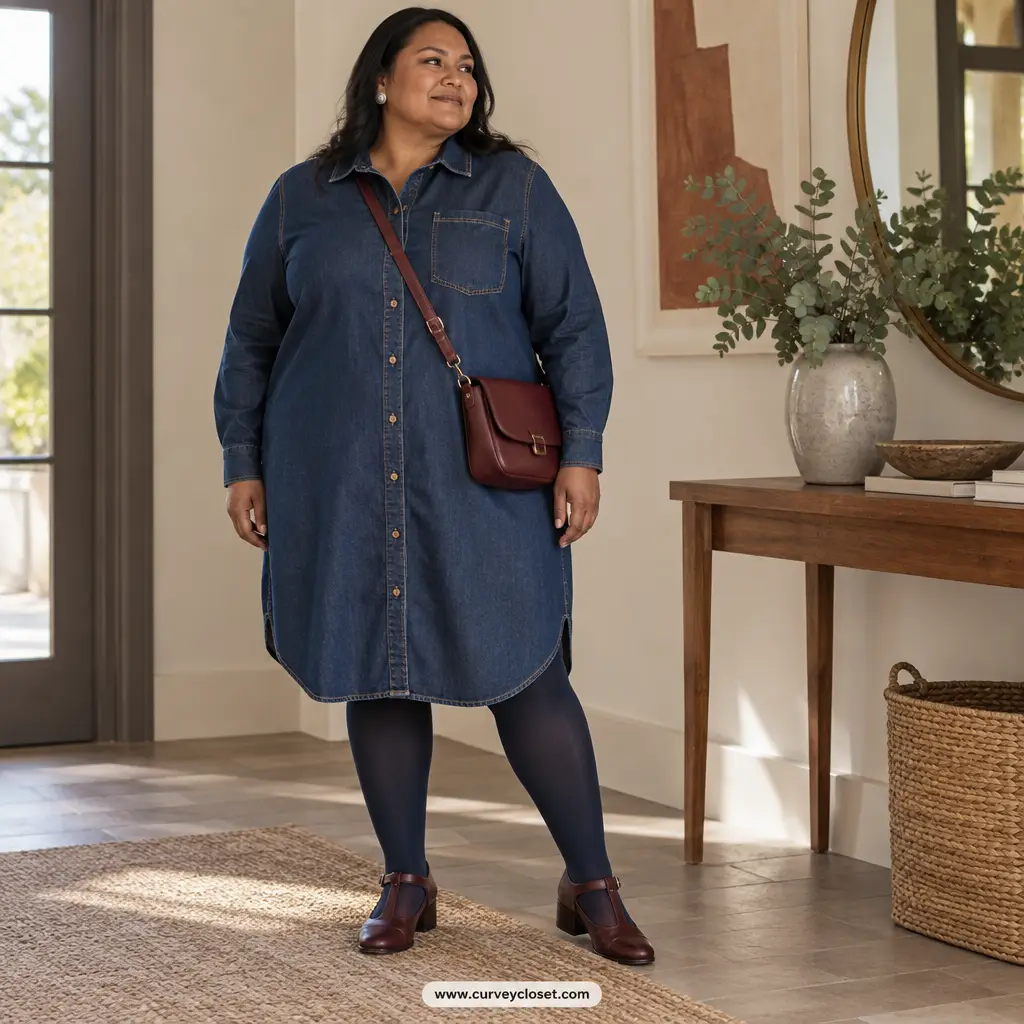
Do: Follow the care label, use a mesh laundry bag when machine washing is permitted, and air-dry as directed. Don't: Wring tights, expose them to high heat or wash them loose with hooks and rough fastenings. Gentle handling helps protect stretchy fibres and reduces snagging. Smooth rough nail edges before putting tights on, gather each leg towards the toe, and ease the fabric upwards rather than pulling from the top. Store clean, dry pairs away from catching jewellery so your next wear starts with intact fabric and less frustration.
How to wear it: Fasten buckled shoes and put on rings after your tights to reduce accidental snags while dressing.
The takeaway
The best tights are the ones you can comfortably get on with your day in. Check measurements, give the gusset enough length, and choose stretch and waistbands that feel good in motion. If a pair keeps pinching or slipping, change the size or construction—not your expectations of comfort.
Get outfit ideas from your own closet
Curvy Closet picks a daily outfit from the clothes you already own.
Learn moreShare counts include shares made with the buttons on this page. Images are AI-generated illustrations.