7 Underwear Fabric Guide Do’s & Don’ts for Plus-Size Comfort
26 October 2026 · 4 min read · 7 ideas
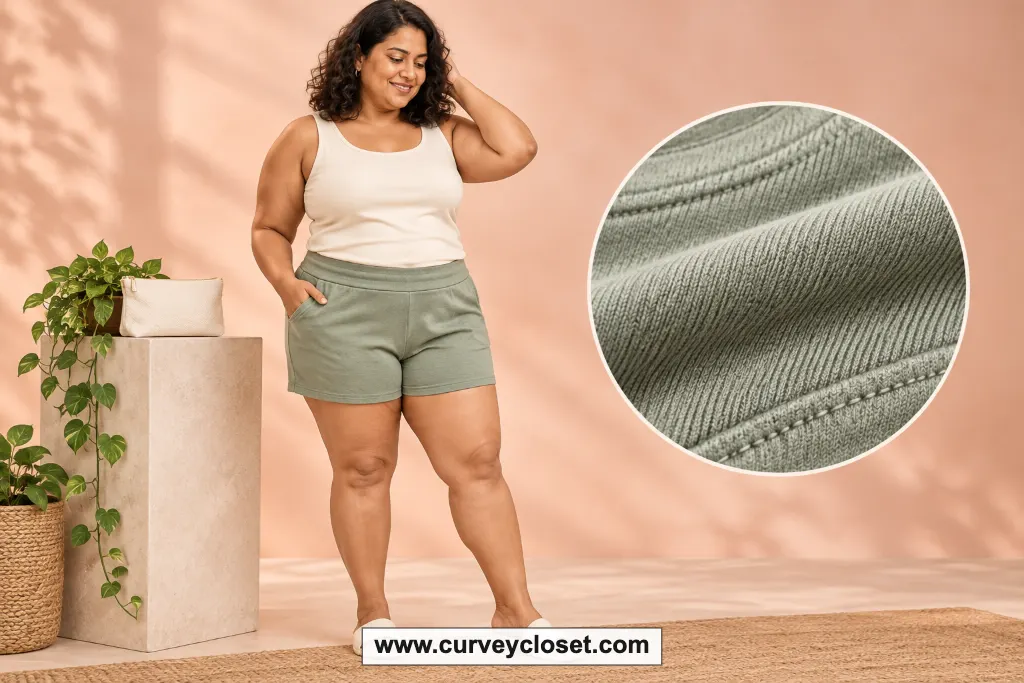
Comfortable underwear starts with how fabric feels, moves and sits against your skin—not with changing your body. This fabric guide helps you assess breathable fibres, flexible waistbands and seams that work for you.
Use these seven paired do’s and don’ts when shopping or checking your drawer. Your preferred coverage, sensory needs and everyday activities matter more than any single fabric label.
1.Fabric guide: Do check the knit, don’t trust fibre alone
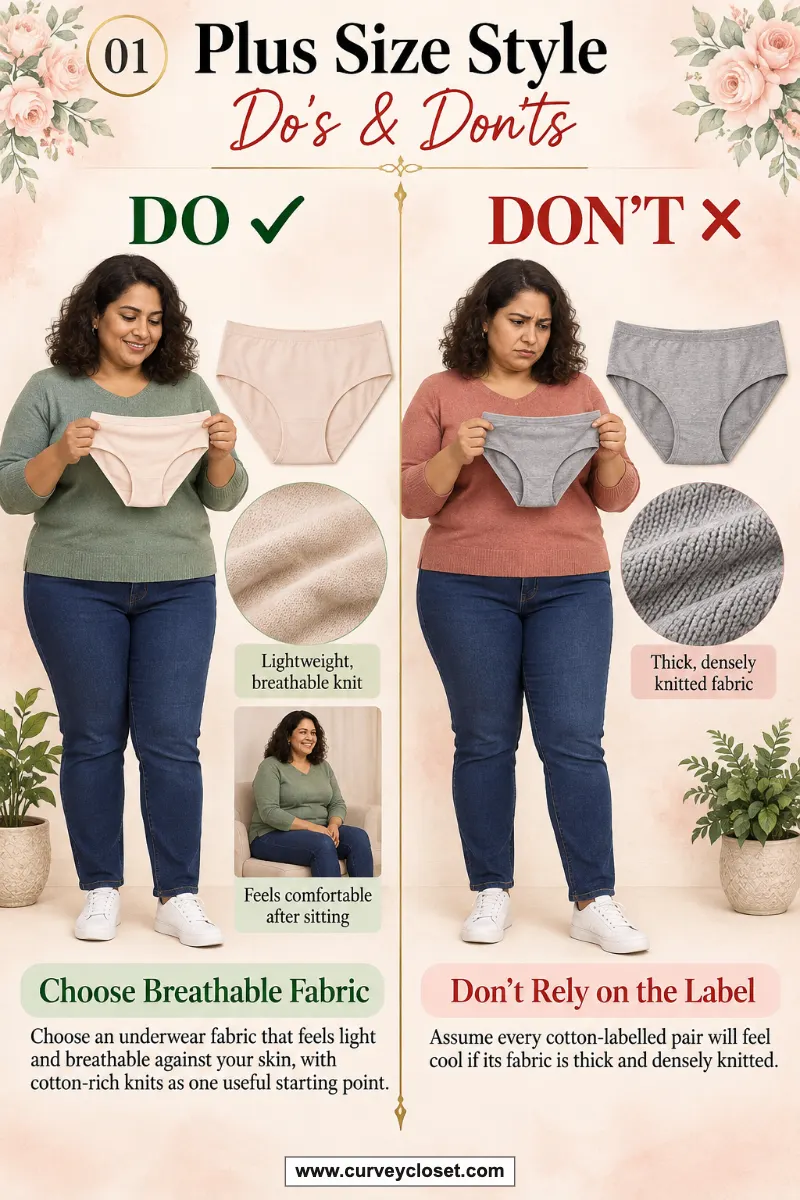
Do: Choose an underwear fabric that feels light and breathable against your skin, with cotton-rich knits as one useful starting point. Don't: Assume every cotton-labelled pair will feel cool if its fabric is thick and densely knitted. Fibre content is only part of the story: fabric weight, construction and your clothing layers also affect warmth. Compare two pairs by touch and inspect the knit. For everyday wear, start with an opaque, lightweight option rather than treating the word cotton as a comfort guarantee.
How to wear it: Wear a lightweight cotton-rich pair under your usual trousers and check how warm it feels after sitting and walking.
2.Fabric guide: Do test recovery, don’t confuse stretch with fit
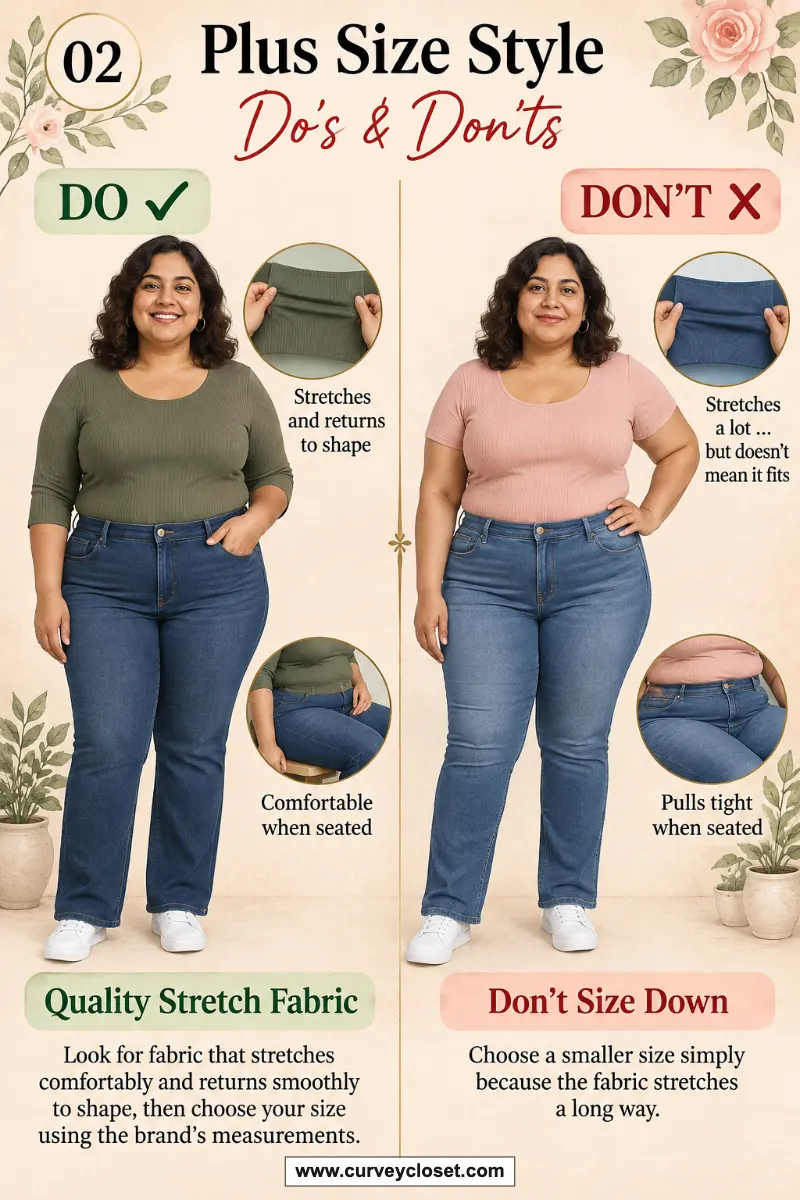
Do: Look for fabric that stretches comfortably and returns smoothly to shape, then choose your size using the brand’s measurements. Don't: Choose a smaller size simply because the fabric stretches a long way. Stretch provides movement; it does not replace enough room through the waistband, seat and leg openings. Gently stretch a small section and release it to assess recovery. When trying a permitted returnable pair over your own underwear, sit and bend: persistent pressure or edges pulling tight suggest a different size or cut.
How to wear it: Choose a waistband that stays comfortable when seated rather than relying on maximum stretch to make a smaller pair fit.
3.Do distinguish moisture handling from softness
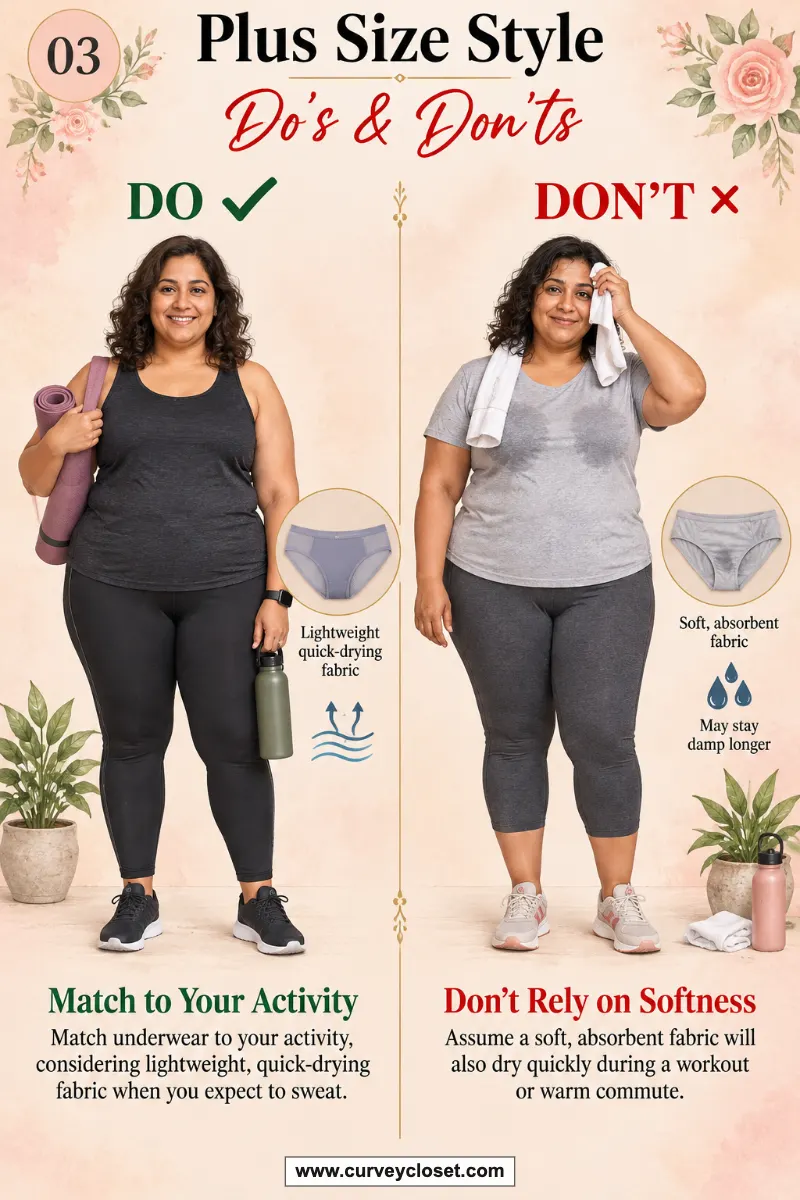
Do: Match underwear to your activity, considering lightweight, quick-drying fabric when you expect to sweat. Don't: Assume a soft, absorbent fabric will also dry quickly during a workout or warm commute. Absorbing moisture and moving or releasing it are different properties. Cotton may feel lovely for everyday wear yet remain damp longer than some performance blends. Check the garment’s fabric information rather than relying on a silky touch, and change out of damp underwear when practical. Your skin’s response should guide your choice.
How to wear it: For active days, try a lightweight performance pair under your usual exercise clothes and pack a dry spare.
4.Do inspect the gusset, don’t stop at the outer fabric
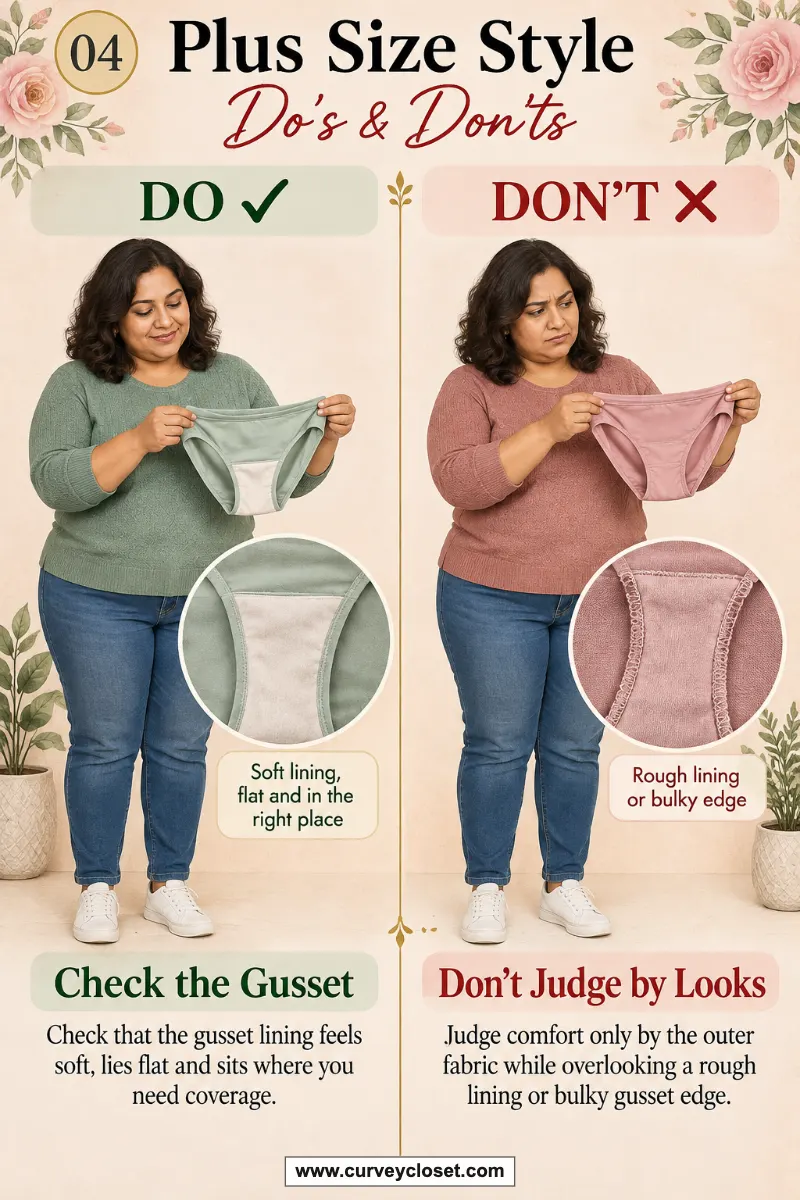
Do: Check that the gusset lining feels soft, lies flat and sits where you need coverage. Don't: Judge comfort only by the outer fabric while overlooking a rough lining or bulky gusset edge. A cotton lining is a common option, but construction still matters. Inspect the inside before buying where possible, looking for scratchy stitching, stiff joins or a lining that bunches. If a pair shifts repeatedly during ordinary movement, another cut or size may place the gusset more comfortably for your body.
How to wear it: Before wearing a new pair, run a fingertip along the inside gusset joins to check for rough or raised edges.
5.Do map seam placement, don’t ignore repeated rubbing
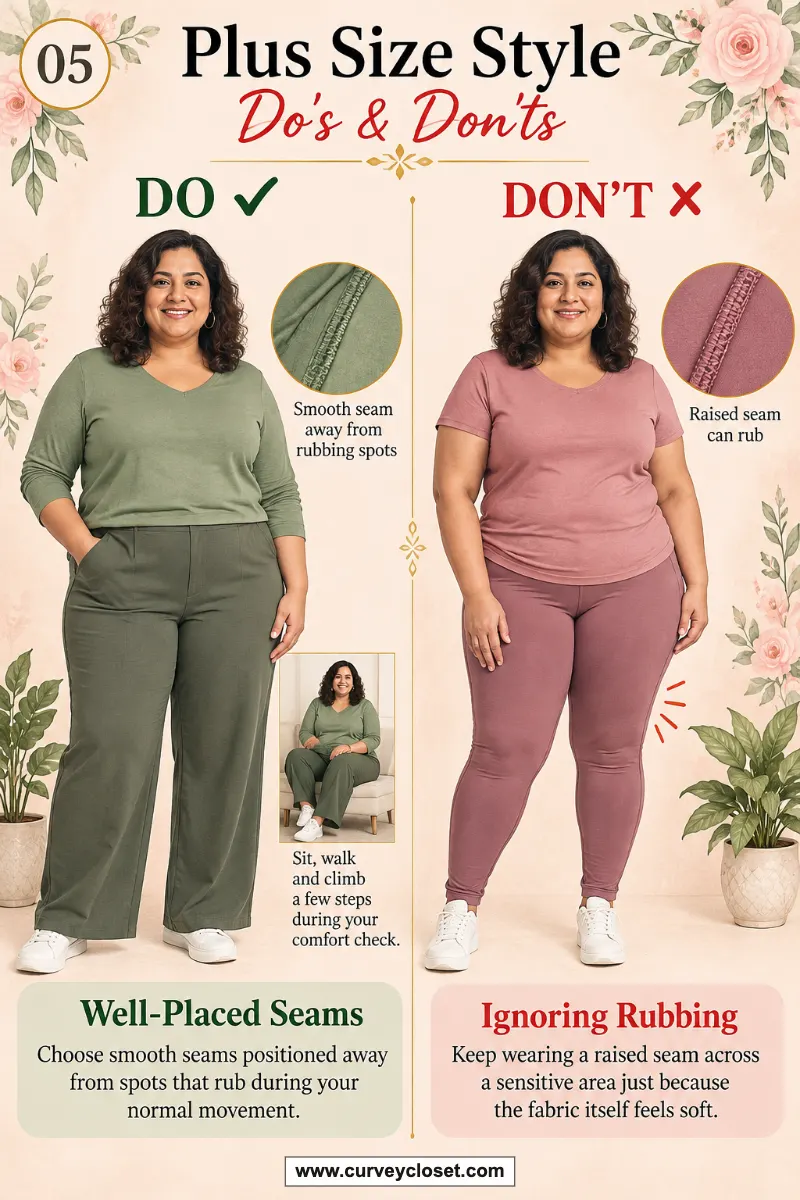
Do: Choose smooth seams positioned away from spots that rub during your normal movement. Don't: Keep wearing a raised seam across a sensitive area just because the fabric itself feels soft. Side seams, leg bindings and decorative joins can feel very different once you sit or walk. Turn the pair inside out to inspect their thickness, then assess comfort during a brief indoor try-on. Seamless styles are worth exploring, but still check their edges: a seam-free body does not guarantee comfortable leg openings.
How to wear it: Walk, sit and climb a few steps during your comfort check, noting whether the same seam repeatedly rubs.
6.Do check trims, don’t overlook scratchy finishes
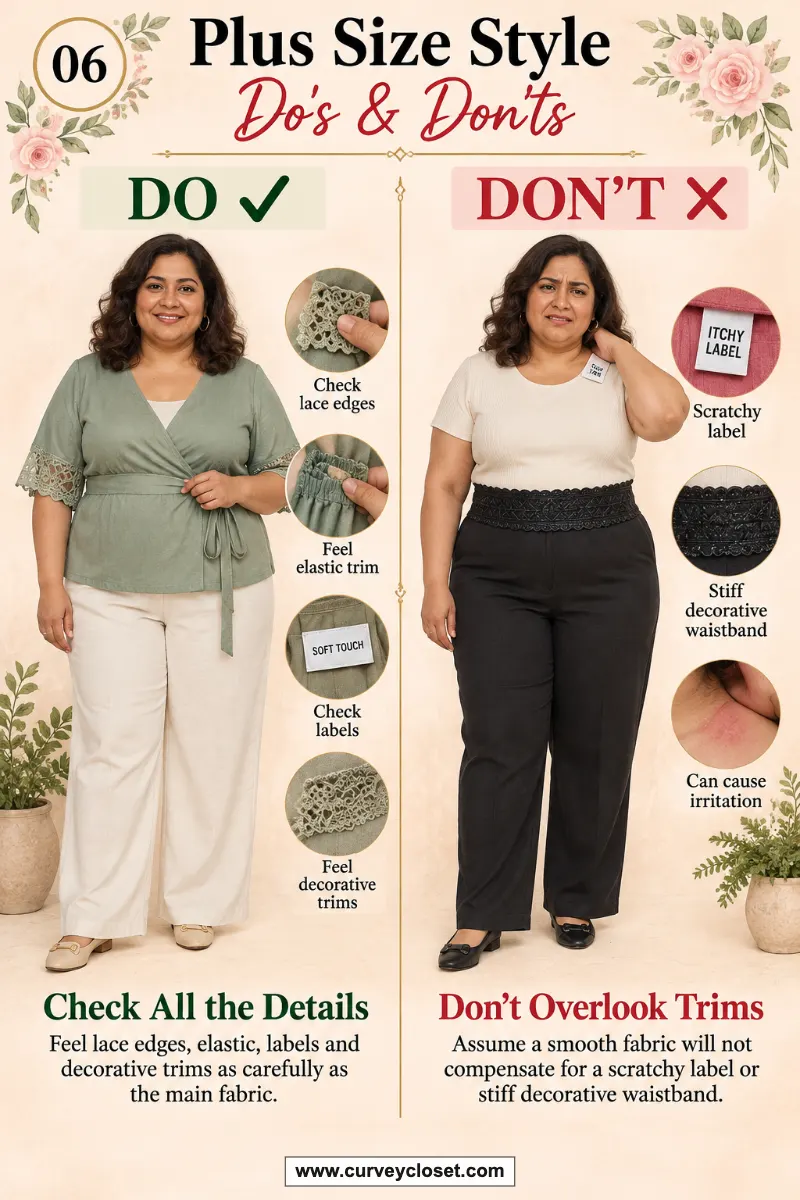
Do: Feel lace edges, elastic, labels and decorative trims as carefully as the main fabric. Don't: Assume a smooth fabric will compensate for a scratchy label or stiff decorative waistband. Pretty details and comfort can absolutely coexist. Look for soft-backed lace, flexible trims and labels that do not irritate your skin. If a label is removable, follow the garment guidance and avoid cutting into stitching. For sensory-sensitive days, a simpler finish may suit you better without limiting the colours or styles you enjoy.
How to wear it: Choose soft-backed decorative trims and check label placement before committing to a full day of wear.
7.Do protect elasticity, don’t default to high heat
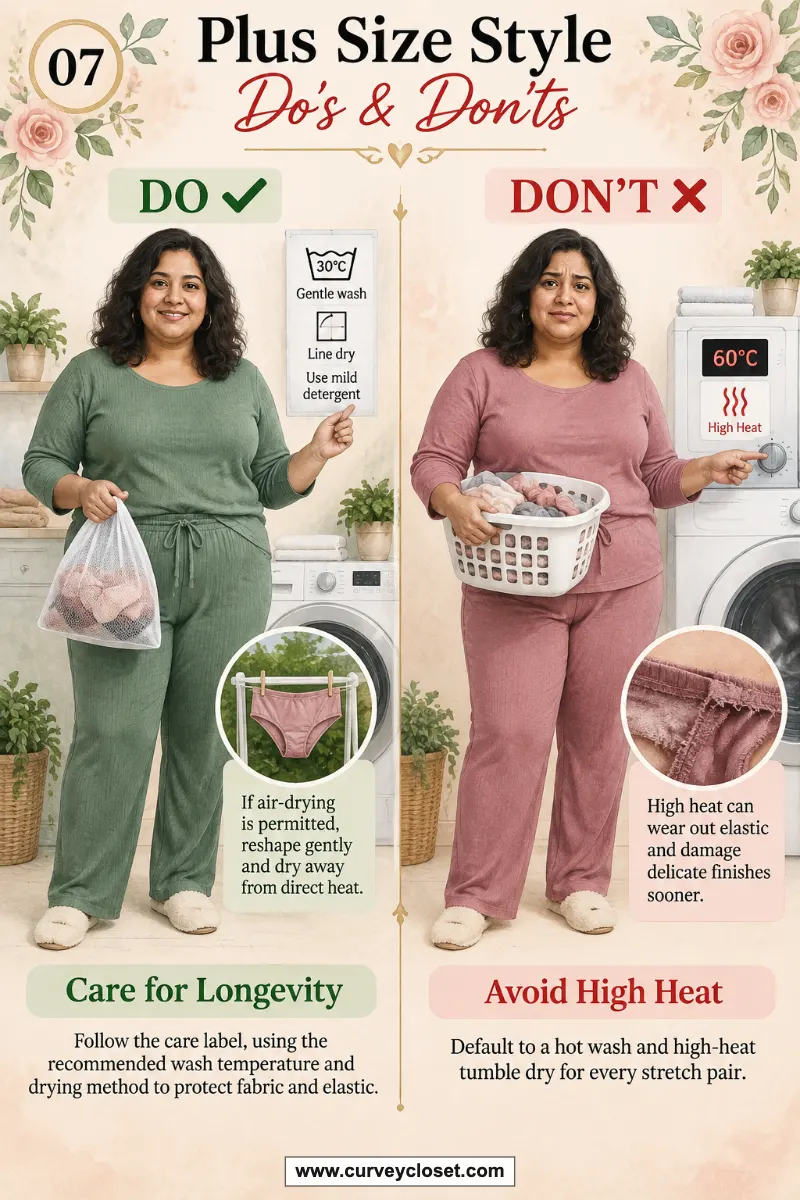
Do: Follow the care label, using the recommended wash temperature and drying method to protect fabric and elastic. Don't: Default to a hot wash and high-heat tumble dry for every stretch pair. Heat can shorten the useful life of some elastics and delicate finishes. Separate snag-prone trims with a mesh laundry bag when suitable, and use the recommended detergent amount. After washing, check for brittle edges, persistent sagging or roughened fabric. Replace pairs when their changed texture or fit no longer feels comfortable.
How to wear it: If the care label permits air-drying, reshape the underwear gently and dry it away from direct heat.
The takeaway
Choose underwear by its feel, stretch recovery and construction—not just the fibre name or size label. Try one pair before buying multiples, follow its care instructions and let your own comfort decide what earns a place in your drawer.
Get outfit ideas from your own closet
Curvy Closet picks a daily outfit from the clothes you already own.
Learn moreShare counts include shares made with the buttons on this page. Images are AI-generated illustrations.